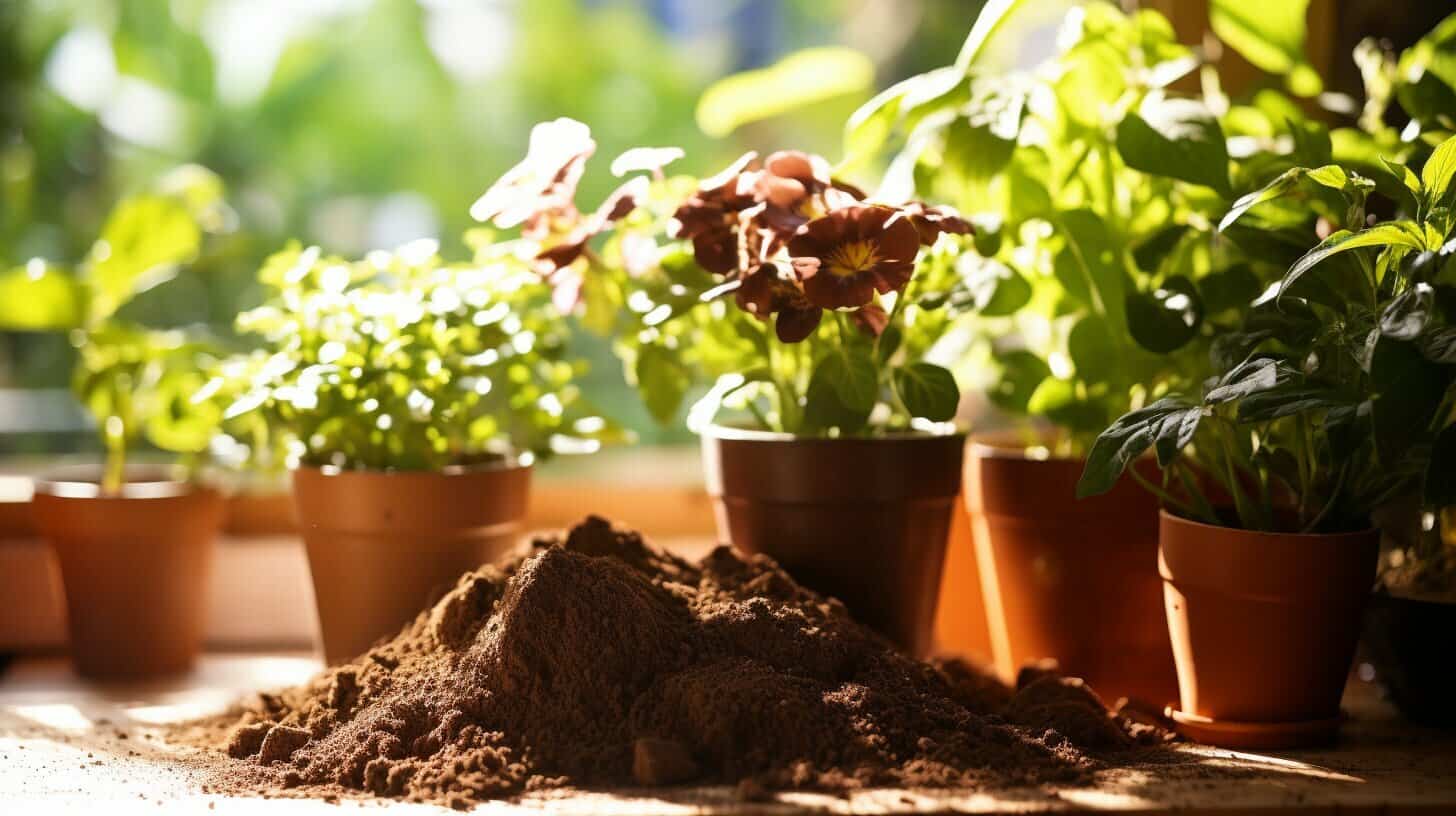
As a gardener, you want to ensure that your plants grow strong and healthy, and choosing the right soil mix can make all the difference. One option that has become increasingly popular is using coco coir as part of the soil blend. However, finding the optimal coco coir soil ratio can be a bit tricky. In this section, we will discuss why it is important to find the right blend and how it can enhance your plant’s growth and health.
Key Takeaways:
- The right coco coir soil ratio can enhance plant growth and ensure strong root development and nutrient absorption.
- Factors to consider when choosing a coco coir soil ratio include the plant’s specific needs, container type, and addition of amendments such as perlite.
- Experimenting with different coco coir soil ratios and understanding coco coir as a growing medium can lead to healthier and more productive plants.
Why is the Coco Coir Soil Ratio Important?
The optimal coco coir soil blend is crucial to the growth and health of your plants. The right blend can provide the necessary aeration and moisture retention while promoting nutrient availability.
Coco coir is a sustainable alternative to peat moss. It improves soil structure, enhances water retention, and supports root development. Additionally, coco coir holds a neutral pH level, making it an ideal growing medium for a wide range of plants.
When choosing the right coco coir to soil mix, it’s important to consider the specific needs of your plants. Factors like the type of container used, the amount of water the plant requires, and the addition of other amendments like perlite can all influence the optimal coco coir soil ratio.
“The right blend can provide the necessary aeration and moisture retention while promoting nutrient availability.”
By understanding these factors, you can create the best coco coir to soil blend for your plants. Experimenting with different ratios can also help you find the optimal blend for your plants.
In the next section, we will delve into the characteristics of coco coir as a growing medium and the benefits of using it in your soil blends.

Understanding Coco Coir as a Growing Medium
Coco coir, also known as coco peat, is a growing medium that is gaining popularity among gardeners and horticulturists. It is made from the fibers and pith found in coconut husks and is an eco-friendly alternative to peat moss.
One of the unique properties of coco coir is its ability to retain water while providing excellent drainage and aeration. The fibers in the coco coir act like tiny sponges, holding onto moisture and nutrients while allowing excess water to drain away. This makes it an ideal medium for plants that require consistent moisture levels.
In addition to its water retention abilities, coco coir is also pH neutral, which means that it won’t affect the soil’s pH levels when used as a growing medium. This is an advantage over other soil amendments, such as peat moss, which can be acidic and alter the pH level of the soil.
Coco coir is also an excellent medium for promoting root development. The fibrous structure of coco coir allows roots to easily penetrate and establish themselves, leading to healthy and strong plants. Furthermore, coco coir is an excellent sustainable alternative to peat moss, which is often harvested from non-renewable sources.
When using coco coir as a growing medium, it is important to note that it is a sterile medium and does not contain any nutrients. It is therefore essential to supplement the medium with the necessary nutrients your plants need to thrive.
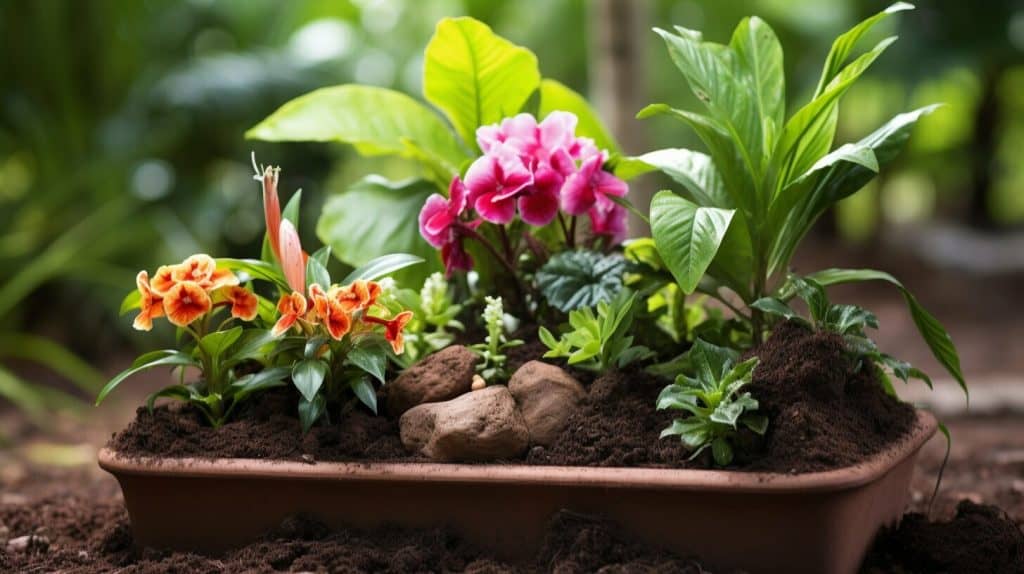
Factors to Consider When Choosing a Coco Coir Soil Ratio
Choosing the right coco coir soil ratio is crucial for plant growth and health. While there is no one-size-fits-all approach, there are several factors that you should consider when deciding on the best ratio for your plants.
Plant’s Specific Needs
Every plant has unique water and nutrient requirements. Some plants prefer a drier soil mix, while others require more moisture. Consider the specific needs of the plants you are growing, and adjust the coco coir and soil ratio accordingly.
For example, cacti and succulents thrive in well-draining soil, which requires a higher ratio of coco coir to soil. On the other hand, ferns and tropical plants require more moisture, which means a lower ratio of coco coir to soil.
Type of Container
The type of container you use also impacts the coco coir soil ratio. Containers that do not have drainage holes require a lower ratio of coco coir to soil to prevent waterlogging and root rot. In contrast, containers with good drainage benefit from a higher ratio of coco coir to soil to promote water retention.
Additional Amendments
While coco coir is an excellent soil amendment on its own, you can add other amendments such as perlite to improve aeration and drainage. When adding amendments, it’s important to adjust the ratio accordingly to prevent over or under-watering.
For example, mixing coco coir and perlite in a one-to-one ratio can improve drainage and prevent waterlogging. Similarly, adding compost or organic fertilizers can improve nutrient availability, but you’ll need to adjust the coco coir soil ratio to prevent over-fertilization.
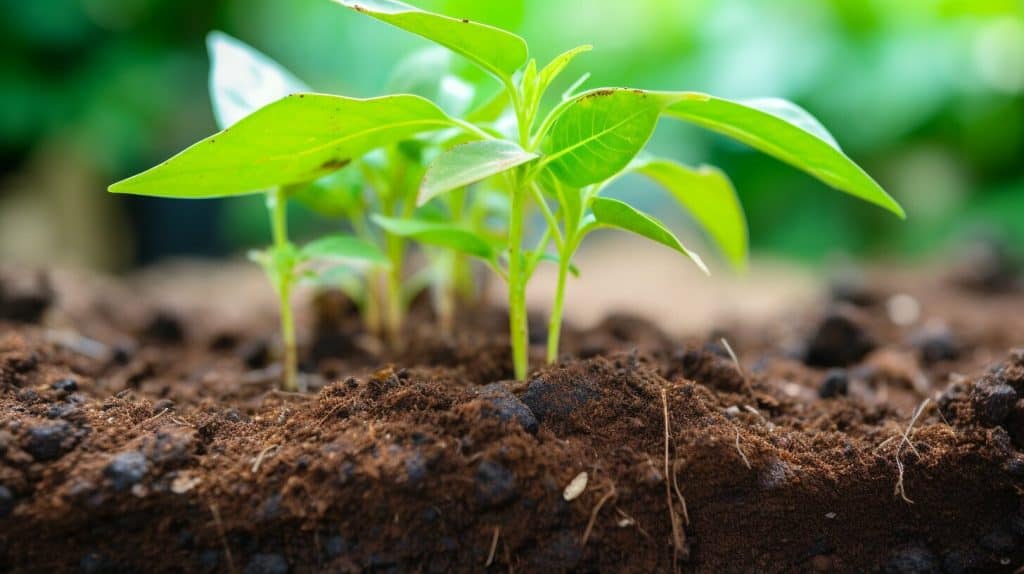
Pro Tip: Remember to conduct soil tests periodically to ensure your plants are receiving the necessary nutrients and adjust the coco coir soil ratio accordingly.
Experimenting with Different Coco Coir Soil Ratios
If you’re new to using coco coir in your soil blends, it’s important to experiment with different ratios to find the optimal blend for your plants. Different plants have varying water requirements and nutrient needs, so it’s crucial to fine-tune the mix to achieve the best growth and health.
Start by using a 50/50 blend of coco coir and soil and adjust the ratio based on your plant’s specific needs. If your plant needs a well-draining mix, increase the amount of coco coir in the blend. If your plant requires more moisture retention, decrease the amount of coco coir and increase the amount of soil.
It’s also important to consider the benefits and drawbacks of using a pure coco coir versus a mixture with soil. Pure coco coir provides excellent water retention and aeration, but it can have low nutrient availability and may require additional fertilization. On the other hand, a mixture with soil provides a greater range of nutrients and improved structure, but it may require more frequent watering.
Remember, the ideal coco coir soil ratio may vary based on the type of container used, the climate, and other environmental factors. Keep track of your plant’s progress and adjust the mix as necessary.
Experimenting with different coco coir soil ratios can be fun and rewarding. Not only will it help you achieve healthier plants, but it can also lead to more sustainable gardening practices through the use of a natural and renewable resource.

Steps to Prepare a Coco Coir Soil Blend
Preparing a coco coir soil blend requires careful consideration to ensure optimal plant growth and health. Follow these steps to prepare the perfect mix:
- Hydrate the coco coir: Start by hydrating the coco coir in a separate container. Add water to the coco coir in a ratio of 1:2 and allow it to absorb the water for about an hour. Once the coco coir has expanded, loosen it up using your hands or a fork.
- Mix the soil: Next, mix the soil you have chosen with organic matter such as compost or worm castings. Add perlite if needed, to improve drainage and aeration.
- Blend the coco coir and soil: Once the coco coir is well-hydrated, add it to the soil blend in a ratio of 1:1 or 1:2, depending on your plants’ specific needs. Use your hands or a rake to thoroughly mix the two together.
- Adjust pH: It is important to adjust the pH level of the mixture to the appropriate range for the plants you will be growing. Coco coir has a natural pH of around 5.5-6.5, so you may need to adjust it with lime or sulfur.
- Fluff and Settle: Fluff the blend to ensure that the coco coir is evenly distributed throughout the soil mix. Let the blend settle for a day before using in your containers or garden beds.
Remember to follow these steps carefully and adjust the coco coir soil ratio accordingly based on your plant’s specific needs. While it may take some time and experimentation to find the right mix, the end result will be healthier plants with stronger root systems and better nutrient absorption.
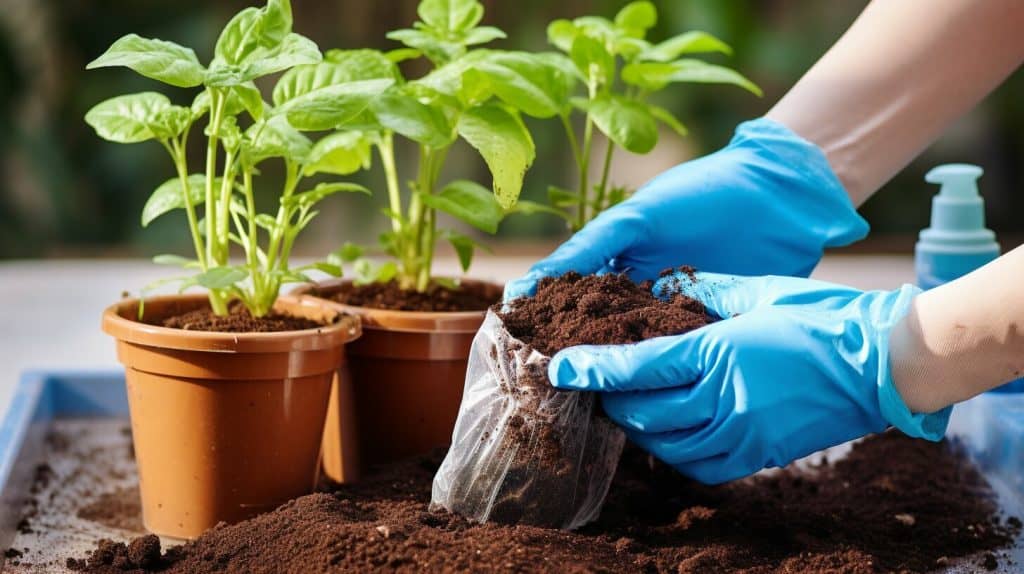
Benefits of Using Coco Coir Soil Blend
Using the optimal coco coir soil ratio offers a multitude of benefits that can enhance plant growth and health. Below, we’ll explore some of the advantages of using coco coir as a growing medium:
| Benefit | Description |
|---|---|
| Improves Soil Structure | Coco coir has a fibrous texture that aids in improving soil structure and porosity, which can enhance root development and plant growth. |
| Promotes Aeration | The addition of coco coir to the soil blend provides aeration which allows roots to breathe. This is vital for plant growth as it helps to avoid root rot and increases nutrient uptake. |
| Enhances Water Retention | Coco coir has the ability to retain water and release it slowly over a longer period of time. This helps to prevent soil from drying out too quickly, reducing the need for frequent watering. |
| Improves Nutrient Availability | Coco coir is pH neutral, which means that it does not interfere with the nutrients in the soil blend. It also has a high cation exchange capacity, meaning that it can hold onto and release nutrients as needed by the plants. |
Overall, using a coco coir soil blend can lead to healthier plants that are more productive and resistant to disease. Its sustainability compared to other soil amendments, like peat moss, also makes it an eco-friendly choice for gardeners and indoor plant enthusiasts.
Common Mistakes to Avoid with Coco Coir Soil Ratio
Using coco coir as a soil amendment can significantly improve plant growth and health. However, there are common mistakes that people make when using coco coir in their soil blends. Here are some of the mistakes to avoid:
- Overwatering: Coco coir has excellent water retention abilities and can hold up to 10 times its weight in water. Therefore, overwatering can lead to waterlogged soil and root rot. To avoid this, ensure that the soil is well-draining and that you water your plants according to their specific needs.
- Incorrect Coco Coir to Soil Ratio: Choosing the wrong ratio of coco coir to soil can impact plant growth and health. Too much coco coir can cause excessive water retention, while too little can result in poor aeration. Experimenting with different ratios can help you find the optimal blend for your plants.
- Not Considering Specific Plant Needs: Different plants have varying water and nutrient requirements. When using coco coir in your soil blend, it’s crucial to consider the specific needs of your plants to ensure optimal growth and health.
By avoiding these common mistakes, you can maximize the benefits of using coco coir as a soil amendment and create a healthy environment for your plants to thrive.

Maintaining and Reusing Coco Coir Soil Blend
Maintaining your coco coir soil blend is crucial to ensure optimal plant growth and health. Here are some tips on how to maintain and reuse your coco coir soil mix.
| Maintenance Tips | Reusing Tips |
|---|---|
|
|
By following these tips, you can maintain the quality of your coco coir soil blend and reuse it for future plantings.
Coco Coir Soil Ratio: Case Studies and Success Stories
Many gardeners have experienced remarkable success by using the optimal coco coir soil ratio. Let’s take a look at some real-life case studies that demonstrate the benefits of this growing medium.
“I switched to a coco coir soil blend last year, and the results have been amazing! The plants are growing faster and healthier than ever before, and I’m using less water. Plus, I love that coco coir is sustainable and environmentally friendly.” – Sarah, a gardener from California.
Sarah’s experience is a testament to the effectiveness of using coco coir as a soil amendment. By enhancing water retention and providing aeration, coco coir can significantly improve plant growth and health.
Another gardener, John, experimented with different coco coir soil ratios until he found the optimal blend for his tomatoes.
“I was struggling to grow healthy tomatoes until I discovered the benefits of using coco coir. Once I found the right blend for my plants, the growth rate skyrocketed, and the tomatoes were delicious.” – John, a gardener from Florida.
Like John, many gardeners have found success by experimenting with different coco coir soil ratios to find the optimal blend for their plants.
Whether you are a seasoned gardener or just starting, using a coco coir soil blend can significantly enhance plant growth and health. By understanding the ideal coco coir to soil ratio and experimenting with different blends, you can create thriving gardens that are sustainable and environmentally friendly.
Conclusion
In conclusion, finding the optimal coco coir soil ratio is crucial for enhancing plant growth and health. By understanding the significance of the coco coir soil ratio, we can provide the necessary aeration and moisture retention for plants while promoting nutrient availability. It is important to consider factors such as the plant’s specific needs, the type of container used, and the addition of other amendments like perlite when choosing a coco coir to soil blend.
Experimenting with different coco coir soil ratios can help in finding the perfect blend based on the plant’s water requirements and nutrient needs. Preparing a coco coir soil blend involves proper hydration and fluffing of the coco coir before mixing it with soil, while also incorporating other amendments like compost or organic fertilizers.
Using a coco coir soil blend has numerous benefits, including improving soil structure, promoting aeration, enhancing water retention, and nutrient availability. To optimize the effectiveness of the coco coir soil mix, it is important to avoid common mistakes like overwatering, using an incorrect coco coir to soil ratio, and not considering the specific needs of the plants.
Maintaining and reusing coco coir soil blends is also crucial, and this can be achieved through regular irrigation, monitoring pH levels, and replenishing nutrients. Real-life case studies and success stories of gardeners who have achieved remarkable results by using the optimal coco coir soil ratio can provide practical insights into the benefits of finding the right balance between coco coir and soil.
To sum up, we encourage readers to experiment, learn from case studies, and apply the knowledge gained to create thriving gardens using coco coir soil blends. By finding the optimal coco coir soil ratio, we can ensure strong root development and nutrient absorption, leading to healthier and more productive plants.
FAQ
Q: What is the importance of finding the optimal coco coir soil ratio?
A: Finding the optimal coco coir soil ratio is important because it enhances plant growth and ensures strong root development and nutrient absorption.
Q: Why is the coco coir soil ratio important?
A: The coco coir soil ratio is important because it provides the necessary aeration and moisture retention for plants, promotes nutrient availability, improves soil structure, and is more sustainable compared to other soil amendments.
Q: What should I know about coco coir as a growing medium?
A: Coco coir is a growing medium with excellent water retention abilities, pH neutrality, and support for root development. It is also a sustainable alternative to peat moss.
Q: What factors should I consider when choosing a coco coir soil ratio?
A: When choosing a coco coir soil ratio, consider the specific needs of your plants, the type of container used, and the addition of other amendments such as perlite.
Q: Should I experiment with different coco coir soil ratios?
A: Yes, experimenting with different coco coir soil ratios allows you to find the optimal blend for your plants. Adjust the ratio based on water requirements and nutrient needs, and consider the benefits and drawbacks of pure coco coir versus a mixture with soil.
Q: How do I prepare a coco coir soil blend?
A: To prepare a coco coir soil blend, follow these steps: 1) Hydrate and fluff the coco coir, 2) Mix the coco coir with soil using the recommended coco coir peat moss ratio, and 3) Incorporate other amendments such as compost or organic fertilizers.
Q: What are the benefits of using a coco coir soil blend?
A: Using a coco coir soil blend improves soil structure, promotes aeration, enhances water retention, and increases nutrient availability and root development.
Q: What are common mistakes to avoid with coco coir soil ratio?
A: Common mistakes to avoid include overwatering, using an incorrect coco coir to soil ratio, and not considering the specific needs of your plants.
Q: How do I maintain and reuse a coco coir soil blend?
A: Maintain and reuse a coco coir soil blend by regularly irrigating, monitoring pH levels, and replenishing nutrients. You can also incorporate the blend into compost or potting mixes.
Q: Are there any case studies or success stories related to coco coir soil ratio?
A: Yes, this section includes real-life case studies and success stories of gardeners who have achieved remarkable results by using the optimal coco coir soil ratio.