
Are you looking for the perfect growing mix to help your plants thrive? Look no further than perlite with coco coir. This powerful combination provides numerous benefits, including improved soil aeration and drainage, helping your plants grow strong and healthy. In this guide, we’ll explore everything you need to know about using perlite with coco coir for successful plant growth.
Key Takeaways:
- Perlite with coco coir enhances soil aeration and drainage, creating the perfect growing mix for successful plant growth.
- Perlite and coco coir are lightweight, sustainable, and versatile growing mediums suitable for various gardening practices.
- The ideal ratio of perlite to coco coir depends on the specific plant’s needs and environmental conditions.
- Proper mixing techniques, maintaining appropriate moisture levels, and monitoring plant growth are essential for using perlite with coco coir effectively.
Understanding Perlite and Coco Coir
Perlite and coco coir are two common components used in gardening as additives to improve the soil or as a standalone growing medium.
Perlite
Perlite is a volcanic rock that is heated and popped like popcorn, creating a lightweight, porous material. Its unique properties include excellent drainage and aeration, making it a great additive to heavy soils that need improved drainage.
Perlite is also sterile, which makes it ideal for hydroponic systems. It does not retain water, so it doesn’t become waterlogged or compacted, allowing for proper root growth and nutrient uptake.
Coco Coir
Coco coir, also known as coco peat, is a by-product of coconut fiber production. Unlike peat moss, which is non-renewable and can have a negative impact on the environment if not harvested sustainably, coco coir is a renewable and sustainable option.
Coco coir is a great alternative to peat moss because it has similar properties but is more environmentally friendly. It retains water well while also providing aeration to the roots. It is also pH neutral, meaning it won’t affect the acidity or alkalinity of the soil.
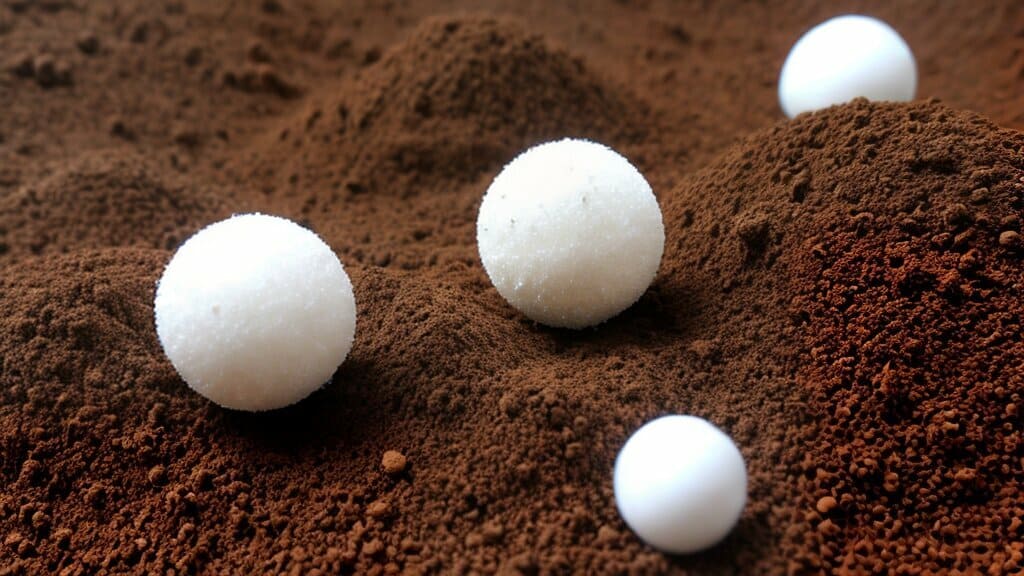
The combination of perlite and coco coir as a growing medium provides a mix that is well-draining, lightweight, and has excellent moisture retention. Understanding the properties of these two components is essential to creating a successful growing mix for your plants.
The Benefits of Using Perlite with Coco Coir
Using a combination of perlite and coco coir as a growing mix presents numerous benefits for plant growth. Not only does it provide excellent soil aeration, but it also enhances drainage to prevent root rot and other issues caused by waterlogging. This winning combination also proves to be suitable for hydroponics as it provides a sterile and well-draining environment for plants.
Enhanced soil aeration
One of the biggest advantages of using perlite with coco coir is the improved soil aeration it provides. Perlite is a lightweight material that contains tiny air pockets, promoting airflow to plant roots and preventing soil compaction that can suffocate plant roots. The coco coir, on the other hand, acts as a sponge that retains moisture for the plant roots.
Better drainage
When used together, perlite and coco coir create a well-draining growing medium. Perlite’s porous nature allows excess water to drain quickly, reducing the risk of waterlogging and root rot. Meanwhile, coco coir’s water-retaining properties keep plant roots moist without becoming waterlogged.
Suitable for hydroponics
The perlite and coco coir mix is a popular choice for hydroponic gardening as this combination provides a sterile and well-draining environment for plants. The mixture promotes healthy root growth and prevents issues such as algae growth or mold.
Finding the Right Ratio: Perlite to Coco Coir
When it comes to creating the perfect growing mix, determining the right ratio of perlite to coco coir is key. While there is no one-size-fits-all answer, there are general guidelines to follow to ensure a well-balanced mix for your specific plants.
Aim for a mix that provides adequate aeration and drainage while still retaining moisture. A common rule of thumb is to use a 50/50 ratio of perlite to coco coir. However, this can vary based on the type of plant and environmental conditions.
| Type of Plant | Ideal Perlite to Coco Coir Ratio |
|---|---|
| Succulents and cacti | 2 parts perlite to 1 part coco coir |
| Moisture-loving plants | 1 part perlite to 2 parts coco coir |
| General use | 1 part perlite to 1 part coco coir |
Remember to also take into account the size of the container and the plant’s root system. Larger containers and plants with extensive root systems may require more perlite to ensure adequate drainage.
Experiment with different ratios to find the right mix for your specific plants. Keep in mind that the ideal ratio may also change based on the time of year and the plant’s growth stage.

Perlite and Coco Coir for Container Gardening
Container gardening offers many benefits, including the ability to grow plants in small spaces and control soil quality. However, container plants often suffer from poor drainage, leading to waterlogged soil and root rot. Fortunately, using perlite with coco coir can help prevent these issues and create a healthy growing environment.
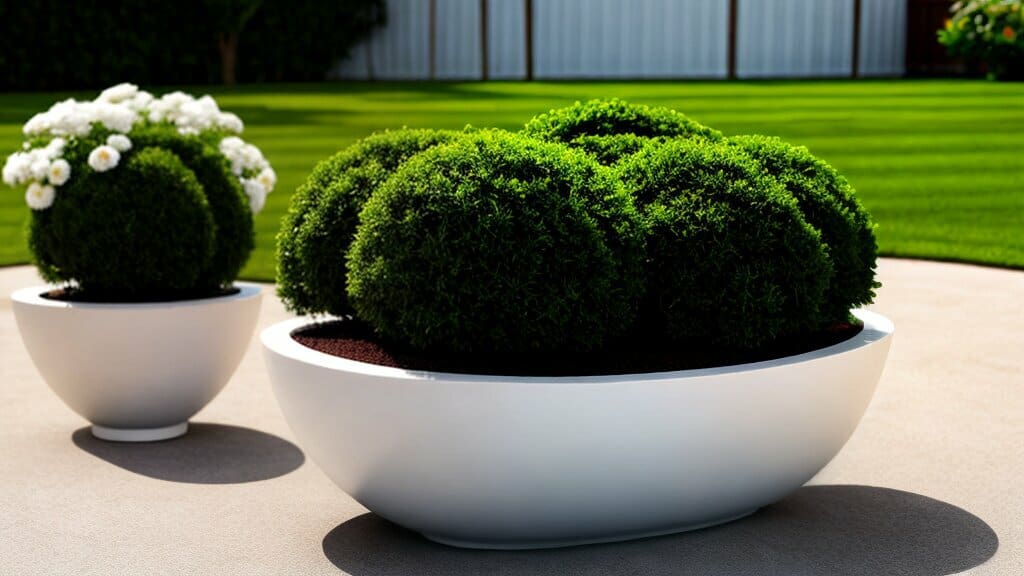
Perlite and coco coir create a lightweight and well-draining growing medium, preventing containers from becoming waterlogged. The mixture retains moisture while providing adequate aeration to roots, promoting healthy plant growth.
When preparing the mixture for container gardening, mix equal amounts of perlite and coco coir. Ensure the mix is moist, but not soaking wet, before adding it to the container. Add fertilizer as needed, as perlite and coco coir do not contain many nutrients on their own.
Additionally, be sure to select a container with drainage holes to allow excess water to escape. Water the plant regularly, but be careful not to overwater, as excess moisture can still cause issues. Using a perlite and coco coir mix ensures a well-draining and lightweight growing medium, promoting strong and healthy plants in containers.
Perlite and Coco Coir for Indoor Plants
Indoor plants require a healthy growing medium that can provide adequate drainage and aeration. Perlite with coco coir is an excellent combination for this purpose. The mixture ensures that the plants receive the proper moisture while maintaining sufficient air circulation.
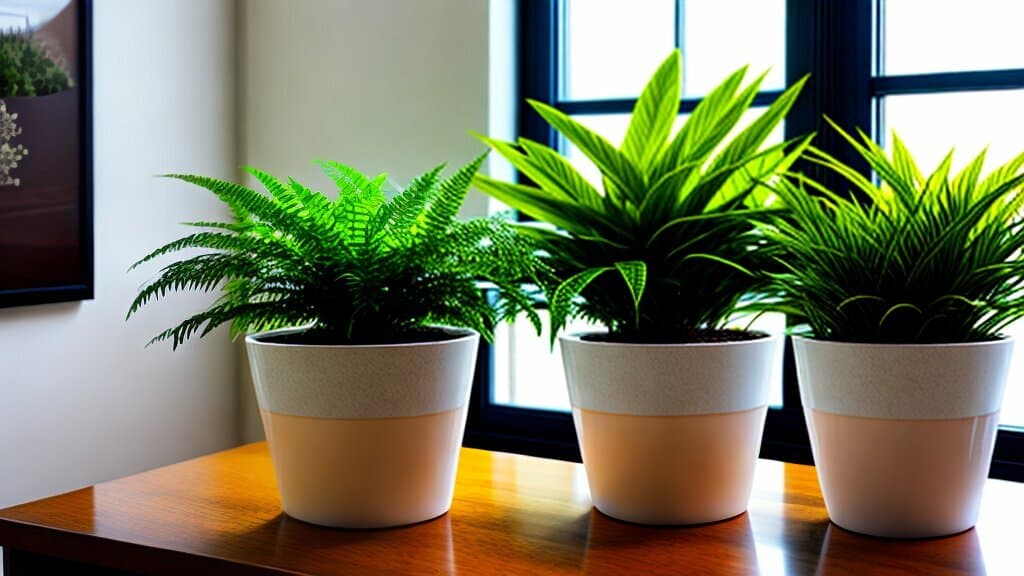
One of the benefits of using perlite with coco coir for indoor plants is that it reduces the risk of overwatering and root diseases. The mixture’s ability to provide a well-aerated and well-draining medium ensures that the plants do not suffer from excess moisture buildup.
When using the combination for indoor plants, it is crucial to ensure you have the right ratio of perlite to coco coir. A ratio of 30% perlite to 70% coco coir is generally a good starting point. However, depending on the type of plant and environmental conditions, the ratio can vary.
Another important consideration is the size of the growing container. Small containers may require a higher ratio of perlite to coco coir to ensure adequate aeration and drainage.
When planting in perlite and coco coir, make sure to water the plants appropriately. The mixture retains moisture well, but excess water can lead to over-saturation, which can be harmful to the plants. To avoid this, ensure that the water has thoroughly drained through the growing medium before watering again.
Overall, perlite with coco coir is an excellent choice for indoor plants. The mixture provides the necessary aeration and drainage, ensuring your plants get the appropriate moisture levels they need to thrive.
Perlite and Coco Coir for Seed Starting and Plant Propagation
When it comes to seed starting and plant propagation, perlite with coco coir is an excellent growing mix to use. The combination creates an ideal environment for germination and root development, ensuring successful plant growth.
“Perlite and coco coir are lightweight and have excellent drainage abilities, making them perfect for starting seeds and propagating cuttings,” says gardening expert, Jane Smith. “The mixture provides proper moisture retention and drainage during the early stages of plant growth.”
When using perlite with coco coir for seed starting and plant propagation, it’s important to mix the two materials evenly and to keep the mixture moist but not waterlogged. Here’s a step-by-step guide to help you get started:
- Start by filling your container with the perlite and coco coir mixture. The container should be wide and shallow, providing ample space for the seeds or cuttings.
- Moisten the mixture with water, making sure it’s evenly distributed throughout the container.
- Place your seeds or cuttings on the surface of the mixture and lightly press them in, making sure they’re in contact with the mixture.
- Cover the container with plastic wrap to create a humid environment for the seeds or cuttings.
- Place the container in a warm, well-lit location, ensuring it receives adequate sunlight or artificial light.
- Keep the mixture moist but not waterlogged by misting it regularly with a spray bottle.
- Once the seeds have germinated or the cuttings have taken root, you can remove the plastic wrap and begin watering as needed.
When propagating cuttings, it’s essential to ensure they have adequate moisture and humidity. Perlite with coco coir will help retain moisture and create a humid environment, promoting successful rooting. For seeds, the mixture provides excellent drainage and proper moisture retention, allowing for healthy germination and root development.

Perlite and Coco Coir as a Growing Medium
Perlite and coco coir make an excellent growing medium for various plants and gardening practices. The mixture provides a lightweight soil that is well-draining and contains high water retention ability. This makes it ideal for container gardening, raised beds, and hydroponics.
When using perlite and coco coir as a growing medium, ensure that the ratio of both is appropriate for the plant type and environmental conditions. The general rule of thumb is to use a ratio of 25% perlite and 75% coco coir, but this can vary depending on the plant’s needs. For moisture-loving plants, reduce the amount of perlite to ensure a more water-retentive mix. For succulents, increase the proportion of perlite to provide better drainage and aeration.
Perlite and coco coir can be blended together in a container and used directly as a growing medium. If using it in raised beds, mix the combination with native soil to improve its drainage and aeration. When using the mixture for hydroponics, it is best to rinse the mixture with water first to remove any dust or particles that may block the system.
Overall, perlite and coco coir are versatile and effective as a growing medium, providing plants with adequate water and nutrition while maintaining good soil aeration and drainage.
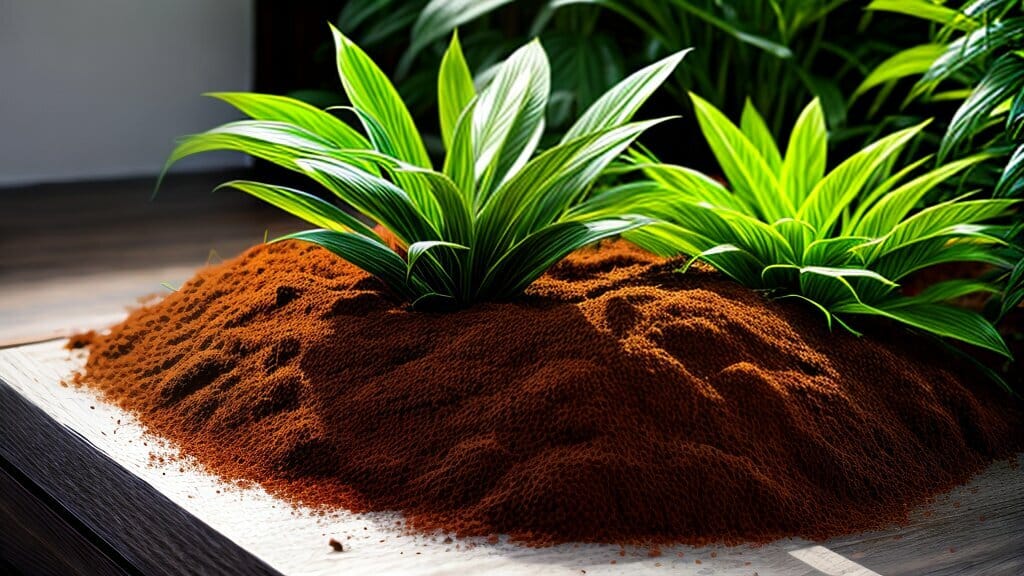
The Importance of Soil Aeration and Drainage
Creating the right growing medium is crucial for successfully growing plants, and two essential factors to consider are soil aeration and drainage. Poor soil aeration can lead to root suffocation, preventing plants from taking in the necessary nutrients for growth. Inadequate drainage can result in waterlogged soil, increasing the risk of root rot and other diseases.
Fortunately, using perlite with coco coir can significantly improve soil aeration and drainage. Perlite is lightweight and porous, improving soil structure and creating more space for air to circulate around plant roots. Coco coir, on the other hand, is an excellent alternative to peat moss, providing water retention while still allowing for proper drainage.
Together, perlite and coco coir help to create a growing medium that is well-aerated, well-draining, and sufficiently moist. This combination is particularly beneficial for container gardening, as excess water can quickly drain away, reducing the risk of overwatering and root diseases.
Overall, ensuring adequate soil aeration and drainage is essential for healthy plant growth, and using perlite with coco coir can significantly improve these factors.

Tips for Using Perlite with Coco Coir
When using perlite with coco coir, it’s important to follow some best practices to ensure the mixture performs optimally.
Mix it thoroughly
To create a well-balanced growing mix, it’s essential to mix perlite and coco coir well. Use equal parts of both materials when starting off, and increase or decrease the ratio depending on the plants you’re growing. Mix the materials thoroughly using a large container or a tarp, ensuring an even distribution of materials.
Maintain Moisture Levels
When using perlite with coco coir, it’s essential to maintain the appropriate moisture levels. Coco coir tends to hold onto water, while perlite drains quickly, so it’s important to find a balance. Check the mixture regularly and adjust watering as necessary, keeping in mind the moisture requirements of the plants you’re growing.
Adjust the Ratio
The ratio of perlite to coco coir can be adjusted based on the needs of different plants. For succulents or other drought-tolerant plants, use more perlite to increase drainage. For moisture-loving plants, decrease the amount of perlite in the mix.
Water and Fertilize Correctly
Water and fertilize plants in perlite and coco coir the same way you would in any growing medium. Water only when the top layer of the mixture feels dry and use a balanced fertilizer to provide the necessary nutrients for healthy plant growth.
By following these tips and using perlite with coco coir correctly, you’ll be able to create the perfect growing mix for your plants to thrive.
Troubleshooting Common Issues
While using perlite with coco coir as a growing mix provides many benefits, certain issues may arise that can affect plant growth. Here are some common problems and ways to troubleshoot them:
Overwatering
Overwatering can be a common issue when using perlite and coco coir as a growing mix. The mixture provides excellent drainage, but it’s essential to allow the plant’s roots to dry out between waterings. To avoid overwatering, make sure to feel the top layer of soil, and only water when it’s dry to the touch.
Lack of Nutrients
While perlite and coco coir provide an excellent growing medium for plants, they don’t contain many nutrients. Nutrient deficiency can cause stunted growth, yellow leaves, and other problems. To ensure your plants are receiving adequate nutrients, use a balanced fertilizer regularly. Alternatively, mixing in compost or organic matter into the growing mix can help replenish nutrients.
pH Imbalance
The pH level of the growing mix can affect the availability of nutrients to plants. Perlite and coco coir mix typically have a slightly acidic to neutral pH, which is suitable for most plants. However, if the pH level is too high or too low, plants may not be able to absorb certain nutrients. Use a pH testing kit, and adjust the pH level if necessary by adding amendments such as lime or sulfur to the mix.

By being aware of these common issues and taking steps to address them, using perlite and coco coir as a growing mix can be an effective way to promote healthy plant growth.
Conclusion
In conclusion, using perlite with coco coir as a growing mix has numerous benefits for plants. This combination improves soil aeration, preventing compaction and allowing roots to breathe, and helps with drainage, preventing waterlogging and the risk of root rot. It is suitable for various gardening practices, including container gardening, raised beds, and hydroponics.
When using this growing mix, it is essential to find the right ratio of perlite to coco coir for specific plant needs and environmental conditions. Proper mixing techniques, maintaining appropriate moisture levels, and adjusting the ratio of perlite to coco coir are crucial for successful use of this growing mix.
While some common issues may arise, such as overwatering, lack of nutrients, or pH imbalances, there are many troubleshooting tips and solutions for these problems.
Overall, perlite with coco coir is a versatile and effective growing mix, providing a well-aerated and well-draining medium, reducing the risk of overwatering and root diseases, and promoting healthy plant growth. We encourage readers to experiment with this combination and find the ideal ratio for their specific plant needs.
FAQ
Q: What are the benefits of using perlite with coco coir as a growing mix?
A: Using perlite with coco coir improves soil aeration and drainage, preventing compaction and waterlogging. It creates a well-draining environment that allows roots to breathe and reduces the risk of root rot.
Q: What is perlite and coco coir?
A: Perlite is a lightweight volcanic rock that improves soil drainage, while coco coir is a renewable and sustainable alternative to peat moss that retains water and provides aeration.
Q: Why should I use perlite and coco coir for hydroponics?
A: Perlite and coco coir provide a sterile and well-draining environment for plants in hydroponics systems, promoting healthy root development and preventing waterlogging.
Q: How do I determine the right ratio of perlite to coco coir?
A: The ideal ratio of perlite to coco coir can vary depending on plant type and environmental conditions. Generally, a well-balanced growing mix can be achieved by adjusting the ratio to suit the needs of the plants being grown.
Q: Why is perlite and coco coir beneficial for container gardening?
A: Perlite and coco coir enhance drainage in containers, preventing waterlogged soil and promoting healthy root growth. The lightweight nature of the mixture is also beneficial for container plants.
Q: How can I use perlite and coco coir for indoor plants?
A: Perlite and coco coir provide a well-aerated and well-draining medium for indoor plants, reducing the risk of overwatering and root diseases. The mixture retains moisture while maintaining proper air circulation.
Q: Why are perlite and coco coir beneficial for seed starting and plant propagation?
A: Perlite and coco coir provide an ideal environment for germination and root development. The mixture’s moisture retention and drainage abilities contribute to successful seed starting and plant propagation.
Q: How can perlite and coco coir be used as a growing medium?
A: Perlite and coco coir can be used for various plants and gardening methods, including container gardening, raised beds, and hydroponics. The lightweight nature, good drainage, and moisture retention make them versatile options.
Q: Why is soil aeration and drainage important?
A: Soil aeration and drainage are vital for overall plant health. Poor aeration can lead to root suffocation and nutrient deficiencies, while inadequate drainage can cause waterlogged soil and root rot.
Q: What are some tips for using perlite with coco coir effectively?
A: Properly mix the materials for an even distribution, maintain appropriate moisture levels, and adjust the ratio based on plant needs and environmental conditions. Water and fertilize plants according to the growing medium.
Q: How can I troubleshoot common issues when using perlite with coco coir?
A: Common issues may include overwatering, lack of nutrients, or pH imbalances. Troubleshooting tips and solutions can help address these problems to ensure successful plant growth.