
Peat moss is a valuable addition to any garden, thanks to its ability to improve soil structure and promote plant growth. However, growing peat moss requires some specialized knowledge and techniques. In this article, we will provide expert tips on how to grow peat moss successfully and achieve a thriving garden.
Key Takeaways:
- Peat moss is a valuable addition to any garden as it improves soil structure and promotes plant growth
- Specialized knowledge and techniques are required for growing peat moss successfully
- Choosing high-quality peat moss and preparing the soil correctly are essential for optimal growth
- Maintaining proper moisture levels and fertilization is crucial for healthy peat moss beds
- Using peat moss for seed starting and mulching can provide additional benefits to your garden
Understanding Peat Moss
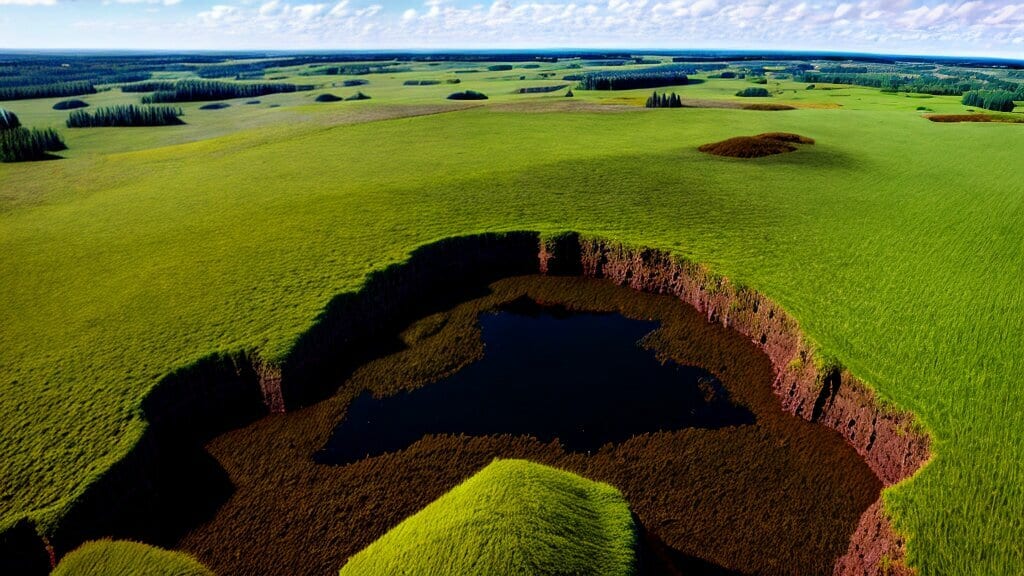
Peat moss is a natural soil amendment that is widely used in gardening and agriculture. It is made up of partially decomposed plant material and is harvested from peat bogs. Peat moss has a unique composition that makes it highly advantageous for plant growth and soil health.
One of the main benefits of peat moss is its exceptional water-holding capacity. Peat moss can hold up to 20 times its weight in water, making it an ideal addition to sandy or dry soils. It also has a high porosity, which allows for adequate aeration and drainage.
Peat moss is also highly acidic, with a pH range of 3.5 to 4.5. This acidity can be beneficial for plants that thrive in acidic soils, such as blueberries and rhododendrons. However, it is important to note that some plants may not tolerate the acidity of peat moss and may require amendments to balance the pH levels.
In addition to its water-holding capacity and acidity, peat moss is also low in nutrients. While this may seem like a disadvantage, it actually allows gardeners to have more control over the nutrient content of their soil. By adding fertilizers and other soil amendments, gardeners can create the optimal growing conditions for their plants.
Overall, peat moss is a valuable addition to any garden or agricultural operation. Its unique properties make it an excellent soil amendment for improving soil structure, enhancing water retention, and promoting plant growth.
Choosing the Right Peat Moss
Before adding peat moss to your garden, it is crucial to choose the right product that suits your soil and plant needs. Here are some factors to consider when selecting high-quality peat moss:
| Factor | Importance |
|---|---|
| pH level | Different peat moss products have varying pH levels. Choose a product that matches your soil’s acidity to avoid disrupting the pH balance. |
| Particle size | Peat moss with smaller particles provides better water retention, while larger particles improve aeration and drainage. |
| Additives | Avoid products with too many additives, as they can affect the soil’s properties and alter plant growth. Look for peat moss that is 100% organic. |
When in doubt, seek advice from a gardening expert or refer to product labels for information on the peat moss composition and usage instructions.

Preparing the Soil for Peat Moss
Before adding peat moss to your garden, it’s crucial to prepare the soil properly. This will help create an optimal growing environment for your plants.
The first step is to test the soil pH. Peat moss prefers a pH range of 3.5 to 4.5, so if the soil pH is too high, you’ll need to lower it. You can do this by adding elemental sulfur or aluminum sulfate to the soil, following the package instructions for your chosen product.
Next, you’ll need to amend the soil to improve its structure and drainage. You can add organic matter such as compost, manure, or shredded leaves to the soil. This will not only improve the soil structure but also increase its water-holding capacity.
| Tip: | Make sure to till the amendments into the soil thoroughly and evenly to distribute them throughout the soil. |
|---|
Once you have amended the soil, you can add the peat moss. Spread a layer of peat moss over the soil, about 2-3 inches deep. Then, mix the peat moss into the soil with a garden fork or tiller. Make sure to mix it thoroughly and evenly for the best results.

After mixing the peat moss into the soil, water the bed thoroughly. This will help settle the soil and ensure that the peat moss is evenly distributed throughout the bed.
With these simple steps, you can prepare the soil for peat moss and create an optimal growing environment for your plants.
Incorporating Peat Moss into the Garden
Now that you’ve chosen the right peat moss and prepared the soil, it’s time to incorporate it into your garden beds. There are a few techniques you can use to ensure that the peat moss is mixed evenly with the soil and providing the best growing environment for your plants.
Top-Dressing
One way to incorporate peat moss is to top-dress the soil with a thin layer, about 1 inch deep. This method is best for established gardens where the soil has already been amended and prepared for planting. Spread the peat moss evenly over the top of the soil and lightly rake it in.
Mixing
If you’re starting a new garden bed, mixing peat moss into the soil can improve soil structure and drainage. Use a garden hoe or tiller to incorporate the peat moss into the top 6 to 8 inches of soil. Aim for a ratio of one part peat moss to two parts soil.
Layering
Layering peat moss into the soil can create a “lasagna” effect and improve soil quality over time. Start by laying down a layer of soil, followed by a layer of peat moss, and then another layer of soil. Repeat until the desired depth is achieved, with the top layer being soil. This method is best for raised beds or container gardening.
When incorporating peat moss into your garden, it’s essential to water thoroughly to ensure the soil and peat moss mixture is evenly moist. Avoid letting the soil dry out, as this can cause the peat moss to become hydrophobic and repel water. With proper maintenance, incorporating peat moss can improve soil quality and promote healthy plant growth.
Watering and Irrigation Tips for Peat Moss
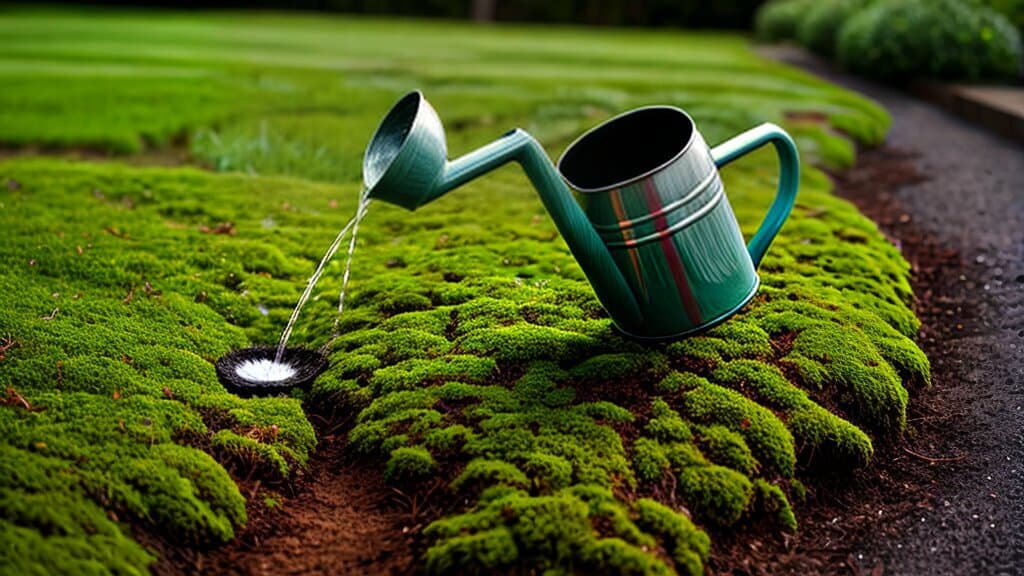
Watering peat moss requires a delicate balance to maintain optimal levels of moisture. Overwatering can cause root rot and make it difficult for plants to absorb nutrients, while underwatering can result in dry, compacted soil that is challenging to rehydrate. Here are some tips for effective watering and irrigation:
- Check soil moisture regularly: Before watering, check the soil’s moisture level by sticking your finger about an inch into the soil. If it feels dry or crumbly, it’s time to water.
- Water deeply: When watering, give the soil a deep soak to encourage root growth. Avoid surface watering, which can cause peat moss to dry out quickly.
- Avoid overwatering: Peat moss has excellent water retention qualities, so avoid watering too frequently. Wait until the top inch of soil is dry before watering again.
- Use mulch: Apply a layer of organic mulch over the soil surface to slow down moisture evaporation and prevent weeds from growing around the plants.
- Use drip irrigation: Drip irrigation systems are an efficient way to water plants, as they deliver water directly to the roots without wasting it on the soil surface. They also help prevent fungal diseases by keeping foliage dry.
By following these watering and irrigation tips, you can maintain the ideal moisture level for peat moss growth and promote healthy plant development.
Fertilizing Peat Moss
Fertilizing peat moss is essential to maintaining optimal soil nutrition and plant growth. When selecting a fertilizer, it’s important to consider the needs of the specific plants you are growing. Organic fertilizers such as compost, bone meal, and fish emulsion can provide nutrients without harming the delicate structure of peat moss.
For synthetic fertilizers, use a balanced or slow-release formula. These fertilizers are less likely to cause imbalances in the soil and will provide consistent nutrients to plants over time. Avoid using high-nitrogen fertilizers, as they can burn plants and damage the soil structure.
The frequency of fertilizing depends on the needs of the plants and the type of fertilizer used. In general, it’s recommended to fertilize every four to six weeks during the growing season. Follow the instructions on the fertilizer package for proper application rates, and be sure to water well after fertilizing to prevent salt buildup.
Expert tip: To avoid over-fertilizing, always test the soil pH and nutrient levels before adding fertilizer. This will ensure that you are providing the appropriate nutrients for your plants and not causing harm to the delicate ecosystem of your garden.
Peat Moss in Container Gardening
If you’re looking to grow your plants in containers, adding peat moss to the potting mix can provide numerous benefits.
Peat moss can help the soil retain moisture, which is especially important in containers where the soil tends to dry out faster. It also improves the texture and structure of the soil, allowing for better drainage and root development.
When incorporating peat moss into your container gardening, it’s essential to choose a high-quality product that is free from impurities and pesticides. Look for peat moss with a fine texture and a neutral pH level to avoid acidity issues.
You can mix peat moss with other organic materials such as compost, vermiculite, and perlite to create a well-balanced potting mix. For small containers, a mixture of one-third peat moss, one-third vermiculite, and one-third compost works well. For larger containers, you may need to adjust the ratios to ensure proper drainage and moisture retention.
When planting, fill the container with the peat moss mix, leaving enough space for the plant’s roots. Water the soil well to help settle the peat moss and provide adequate moisture for the plant.
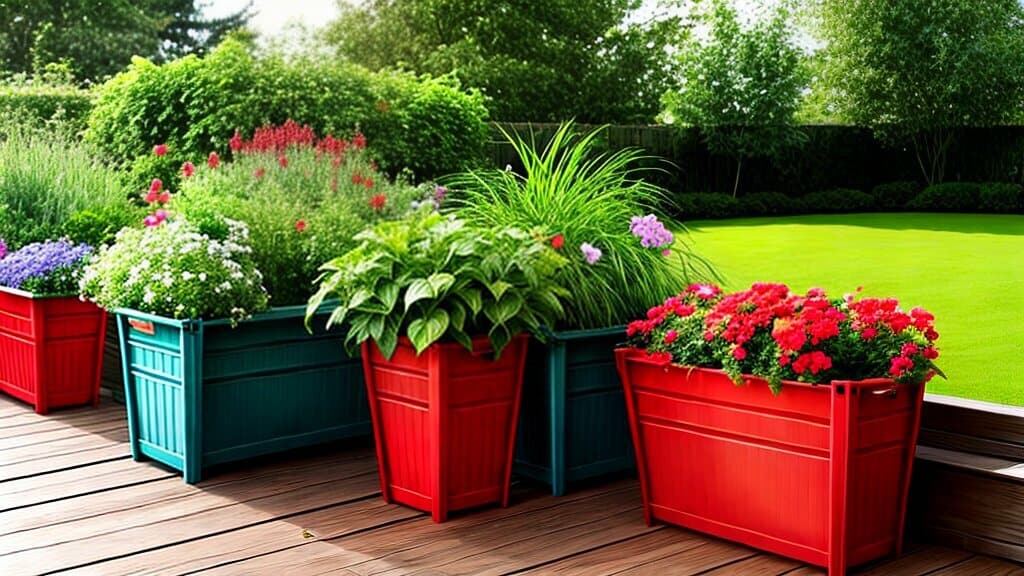
Remember to water your container garden regularly, as plants in containers require more frequent watering than those planted in the ground.
Using peat moss in container gardening can help you create a healthy and thriving growing environment for your plants.
Maintaining Peat Moss Beds
Once you have successfully incorporated peat moss into your garden, it’s important to maintain it properly to ensure consistent growth and optimal soil health. Here are some tips to help you maintain your peat moss beds:
| Task | Description |
|---|---|
| Raking | Regularly rake the surface of the peat moss to prevent matting and improve airflow. |
| Aerating | Use a garden fork or aeration tool to loosen compacted peat moss and improve water penetration. |
| Replenishing | Periodically add fresh peat moss to replace any that has decomposed or been removed. |
| Weed Control | Mulching with peat moss can help prevent weed growth, but be sure to remove any weeds that do appear to prevent competition for nutrients. |
| Pest Control | Watch for pests such as slugs and snails that are attracted to moist peat moss and treat with eco-friendly solutions as necessary. |
By regularly performing these tasks, you can maintain healthy peat moss beds and enjoy a thriving garden.

Troubleshooting Common Peat Moss Issues
Peat moss can offer numerous benefits for your garden, but issues can arise during cultivation that can detract from its advantages. Here are some common problems that you might experience and how to address them:
Excessive Compaction
Peat moss has a fine texture that can easily become compacted, leading to reduced water and air circulation. To solve this problem, use a garden fork or aerator to break up the soil and allow better permeability. Adding coarse sand, perlite, or vermiculite can also help improve drainage and prevent compaction.
Overwatering
Peat moss has a high water-holding capacity, which means it can easily become waterlogged if you apply too much moisture. To avoid overwatering, water your peat moss garden only when the top 1-2 inches of the soil are dry. You can also mix peat moss with other soil amendments that promote drainage, such as perlite or coarse sand.
Nutrient Deficiencies
Peat moss is a relatively inert material that has little nutritional value for plants. To ensure your plants receive adequate nutrients, fertilize the soil regularly with a balanced fertilizer or an organic option such as compost. You can also mix peat moss with other organic materials such as manure or bone meal to boost soil fertility.
pH Imbalances
Peat moss is naturally acidic, with a pH level of around 4.0-5.5. This can be beneficial for acid-loving plants such as blueberries or azaleas but can be problematic for other plants that prefer more neutral or alkaline soil. To adjust the pH level, add lime or wood ash to the soil. However, be cautious when adding lime as too much can increase the pH level to a harmful level.
Image:
Peat Moss Harvesting and Sustainability
Peat moss is harvested from peatlands, which are unique ecosystems that play a vital role in carbon sequestration. However, the demand for peat moss has led to unsustainable harvesting practices, resulting in the destruction of these ecosystems.
It’s essential to choose peat moss suppliers that use sustainable harvesting techniques. These suppliers use methods that minimize damage to the peatland ecosystem, such as selective harvesting, which only removes a small portion of the top layer. This allows the peatland to regenerate its vegetation and retain carbon, preventing further damage to the environment.
As a gardener, you can also do your part in promoting sustainable practices. You can reduce your peat moss usage by combining it with other soil amendments, such as compost or coconut coir. Additionally, you can opt for eco-friendly alternatives, such as leaf mold, grass clippings, or wood chips, to improve the soil structure and provide nutrient-rich organic matter for plant growth.
| Sustainable Peat Moss Harvesting | Unsustainable Peat Moss Harvesting |
|---|---|
| Sustainable harvesting techniques only remove a small portion of the top layer of peat, allowing the peatland to regenerate its vegetation and retain carbon. | Unsustainable harvesting removes large quantities of peat, damaging the peatland ecosystem and releasing stored carbon into the atmosphere. |
| Suppliers who use sustainable harvesting practices are verified by independent certification programs, such as the Sustainable Peatland Management Certification or the Responsible Peatland Management Certification. | Suppliers who use unsustainable harvesting practices often cause irreversible damage to peatlands, disrupting the ecosystem and affecting the water quality of surrounding areas. |
By choosing sustainable peat moss suppliers and eco-friendly alternatives, you can contribute to the protection of peatlands and ensure a thriving garden for generations to come.

Combining Peat Moss with Other Soil Amendments
Peat moss is a versatile soil amendment that can be combined with other materials to enhance soil structure and nutrient availability for plants. By combining peat moss with other soil amendments, you can create a customized soil mixture that meets your gardening needs.
| Soil Amendment | Benefits |
|---|---|
| Compost | Aids in soil aeration and drainage while providing nutrients for plants |
| Perlite | Improves soil aeration and drainage, promotes root growth, and prevents compaction |
| Vermiculite | Retains moisture in the soil, promotes root growth, and improves soil structure |
| Sand | Improves soil drainage and aeration, preventing soil compaction |
Other amendments that can be combined with peat moss include aged manure, bone meal, and blood meal.
When combining peat moss with other amendments, it is important to maintain a balance of moisture-retention and drainage capabilities. Test the pH level of the soil mixture and adjust as necessary for optimal plant growth.
Experiment with different soil amendment combinations to find the one that works best for your garden’s needs. A well-balanced soil mixture can provide the nutrients, water retention, and drainage necessary for healthy plant growth.
Incorporating Peat Moss into the Garden
When it comes to incorporating peat moss into the garden, there are a few techniques that can be used depending on the type of plants that are being grown. Here are some of the most common ways:
| Technique | Description |
|---|---|
| Top-dressing | This involves sprinkling a thin layer of peat moss on top of the soil around plants. It can help retain moisture and prevent weed growth. |
| Mixing | Mixing peat moss with the existing soil is a great way to improve soil structure and drainage. This is particularly useful for heavy clay soils. |
| Layering | For plants that require a more acidic soil, such as blueberries, layering peat moss with soil can help create the ideal growing conditions. |
Regardless of the technique used, it is important to ensure that the peat moss is evenly distributed throughout the soil. This can be achieved by using a garden fork or tiller to mix it thoroughly.
Tip: When using peat moss in a garden bed, it’s a good idea to also add a layer of compost. This will help provide additional nutrients and improve soil health.

Once the peat moss has been incorporated into the garden, it’s important to monitor the moisture levels regularly. Peat moss has a high water-holding capacity, which means it can retain moisture for longer periods. However, it’s important not to let the soil become too waterlogged, as this can lead to root damage and other issues.
Remember: Peat moss is just one component of a healthy garden. Be sure to also provide adequate sunlight, nutrients, and care for the best possible results.
Using Peat Moss for Seed Starting
If you’re looking to start your plants from seed, peat moss can be an excellent medium to use. Its high moisture retention and nutrient availability make it ideal for germinating seeds and promoting healthy seedling growth. Here are some tips for using peat moss for seed starting:
- Choose a high-quality peat moss: Look for a peat moss that is fine-textured and free of debris. Avoid products that contain additives or synthetic materials.
- Create a seedling mix: Mix equal parts peat moss, vermiculite, and perlite to create a seedling mix that provides the necessary drainage and aeration for your seedlings.
- Start seeds indoors: Fill seed trays or containers with the seedling mix, and sow your seeds according to their specific requirements. Keep the soil moist, but not waterlogged, and place the trays in a warm, bright location.
- Transplant seedlings: Once your seedlings have developed strong roots and leaves, transplant them into peat moss-enriched soil in your garden or containers. The peat moss will contribute to a healthy root system and help retain moisture in the soil.
With the right preparation and care, peat moss can be an effective and economical medium for starting your own plants from seed.

Conclusion
Peat moss is an excellent addition to any garden, providing numerous benefits for soil health and plant growth. By following expert tips and techniques, you can ensure your peat moss thrives and contributes to a thriving garden.
Implementing the Tips
Start by understanding what peat moss is and how it can benefit your garden. Choose a high-quality peat moss based on factors such as particle size, pH level, and additives. Prepare the soil before adding peat moss by testing the soil, adjusting the pH level, and adding any necessary soil amendments. Incorporate peat moss into the garden by mixing, layering, or top-dressing. Water and irrigate regularly, taking care not to overwater. Fertilize as needed and maintain peat moss beds by raking, aerating, and replenishing as necessary. Finally, troubleshoot common issues and consider alternatives to peat moss to protect natural peatland ecosystems.
Benefits of Growing Peat Moss
When grown correctly, peat moss can help retain moisture, control weeds, and provide insulation for plants during extreme temperatures. It can also promote soil health and improve plant growth by providing necessary nutrients and enhancing soil structure and drainage. By implementing the expert tips and techniques provided in this article, you can enjoy a thriving garden with the help of peat moss.
FAQ
Q: How do I choose the right peat moss for my garden?
A: When selecting peat moss, consider factors such as pH levels, particle size, and additives. Choose high-quality peat moss to ensure optimal plant growth.
Q: How should I prepare the soil before adding peat moss?
A: Before incorporating peat moss, perform soil testing, adjust pH levels if necessary, and use soil amendment techniques to create the ideal environment for peat moss growth.
Q: What are the best techniques for incorporating peat moss into the garden?
A: You can top-dress, mix, or layer peat moss with existing soil to improve its structure and drainage, effectively incorporating it into the garden beds.
Q: How should I water and irrigate peat moss?
A: Water peat moss according to its moisture needs, ensuring the optimal level for plant growth. Practice proper watering techniques, considering frequency and amount.
Q: Why is fertilizing peat moss important, and what are the recommended fertilizers?
A: Fertilizing peat moss is crucial for plant nutrient availability. Consider organic and synthetic options and apply fertilizers at the recommended frequency and using proper application methods.
Q: How can I use peat moss in container gardening?
A: Incorporate peat moss into potting mixtures for container gardening. It provides several benefits, including moisture retention and improved nutrient availability.
Q: What maintenance tasks are required for peat moss beds?
A: Maintain peat moss beds by raking, aerating, and replenishing peat moss regularly. Take measures to prevent weed growth and control pests as well.
Q: What are some common peat moss issues and how can I troubleshoot them?
A: Common issues with peat moss include excessive compaction, overwatering, nutrient deficiencies, and pH imbalances. Learn troubleshooting tips to address these problems effectively.
Q: How can I ensure sustainable peat moss harvesting practices?
A: Understand the harvesting process of peat moss and promote sustainable practices. Explore eco-friendly alternatives to protect natural peatland ecosystems.
Q: What are the benefits of combining peat moss with other soil amendments?
A: Combining peat moss with other soil amendments enhances soil quality for optimal plant growth. Experiment with suitable combinations to achieve desired results.
Q: How can peat moss be used as a mulch?
A: Peat moss can serve as an effective mulch material by retaining moisture, controlling weeds, and providing insulation for plants during extreme temperatures.
Q: How do I use peat moss for seed starting?
A: Utilize peat moss for seed starting by creating seedling mixes. Take advantage of peat moss’s benefits for seed germination and transplanting seedlings into peat moss-enriched soil.