Gardening can be a rewarding and fulfilling hobby, but it all starts with good soil. As a professional copywriting journalist, I’ve learned that creating the perfect potting mix can make all the difference in the health and growth of your plants. In this article, I’ll guide you through the step-by-step process of creating your own potting mix, tailored to your gardening needs.
Whether you’re a seasoned gardener or just starting out, understanding the importance of potting mix is crucial for the success of your plants. In the following sections, I’ll explain the benefits of using organic ingredients, the essential components of potting mix, and how to choose the right ingredients for your specific gardening goals.
From preparing your base materials to incorporating essential amendments, this article will walk you through the entire process of creating a high-quality potting mix. You’ll learn how to properly mix and blend your ingredients, store and use your potting mix, and troubleshoot common issues that may arise.
So let’s get started on creating the perfect potting mix for your plants!
Key Takeaways:
- Creating a good potting mix is crucial for the healthy growth of your plants.
- Understanding the essential components and benefits of organic ingredients is key.
- Choosing the right ingredients tailored to your gardening needs is important.
- Properly mixing and blending your potting mix ensures consistency and quality.
- Maintaining and rejuvenating your potting mix is essential for long-term effectiveness.
Understanding the Importance of Potting Mix for Plant Growth
As a gardener, I know that the quality of the potting mix used is crucial for a plant’s growth and health. The right combination of ingredients in the potting mix provides the necessary nutrients and growing environment for your plants.
Organic potting mix is particularly beneficial as it reduces the chances of exposing your plants to harmful chemicals and pesticides. It also promotes soil health and encourages the growth of beneficial microorganisms, which aids in nutrient absorption.
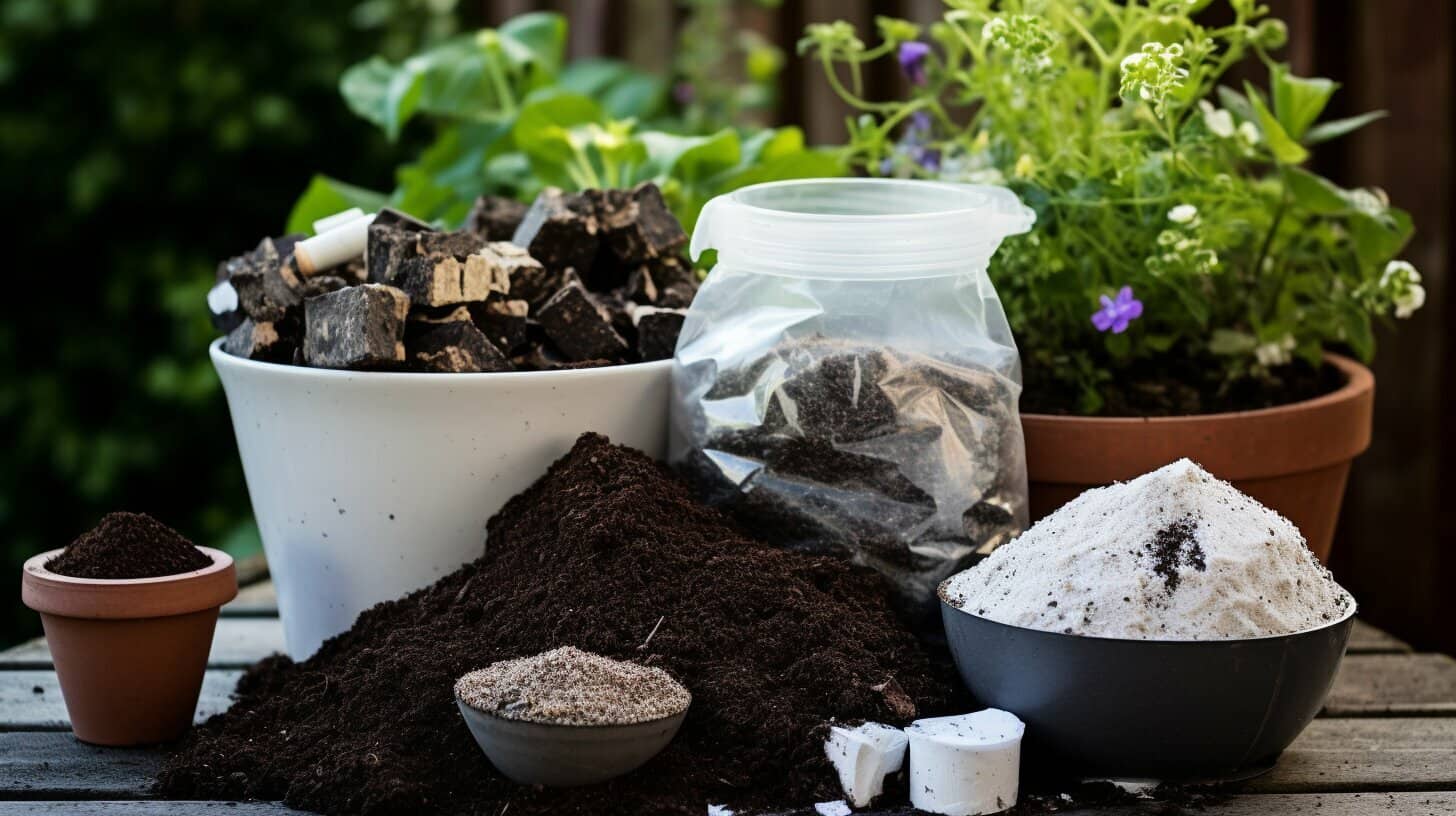
When creating a potting mix, it is essential to include the proper ingredients in the correct ratios. Typically, the mix consists of three main components: soil, organic matter, and aeration amendments.
| Component | Role |
|---|---|
| Soil | Provides a foundation for plant growth and anchors roots. |
| Organic Matter | Enhances soil structure, retains moisture, and provides nutrients. |
| Aeration Amendments | Improves drainage, aeration, and overall soil quality. |
Each component plays a vital role in creating a high-quality potting mix. Understanding their functions and the ideal ratio between them is crucial for your plants’ optimal growth.
“The key to successful plant growth is not just about sticking a seed or seedling in the ground. It starts with ensuring you have the right soil structure and nutrients for your plants to thrive.”
As we move forward in this article, I will provide comprehensive guidance on creating a potting mix, selecting the right ingredients, and maintaining its quality. Let’s dig in!
Basic Potting Mix Ingredients and Their Roles
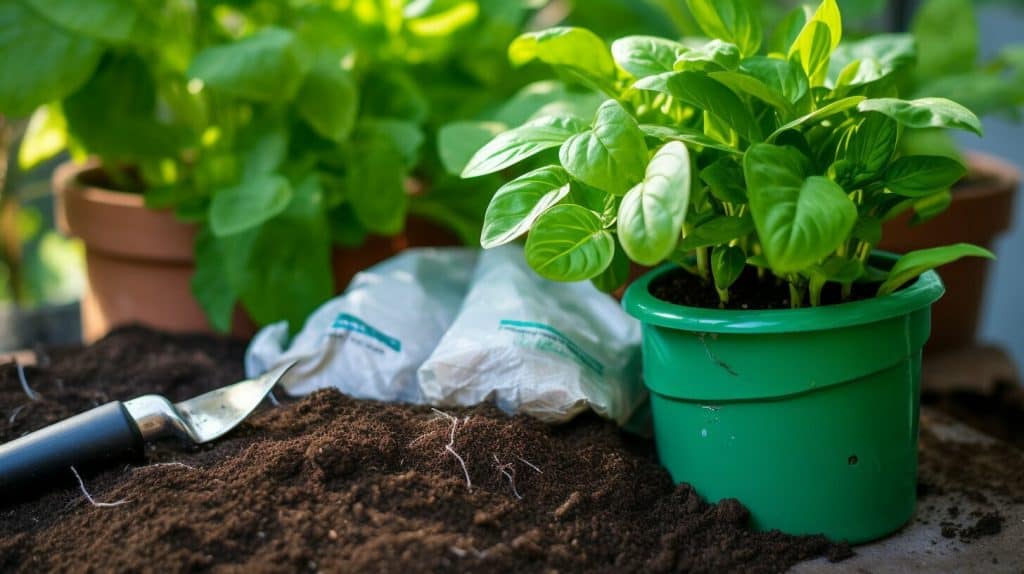
Choosing the right ingredients is crucial to create a high-quality potting mix. The most common base ingredients used in potting mixes are peat moss, perlite, and coco coir. Each component plays a specific role in the overall quality of the mix.
| Ingredient | Role |
|---|---|
| Peat Moss | Retains moisture, improves soil aeration, and provides nutrients over time. |
| Perlite | Improves drainage and aeration, prevents soil compaction, and enhances root development. |
| Coco Coir | Retains moisture, improves soil structure, and prevents nutrient leaching. |
Other ingredients that you can add to your potting mix include compost, vermiculite, sand, and lime. These amendments can improve soil structure and nutrient content. However, make sure to use them in moderation and according to your plant’s specific needs.
Using organic ingredients in your potting mix is always a good idea. Organic materials are sustainable, environmentally friendly, and beneficial to soil health. They also provide a more natural growing environment for your plants.
Now that we’ve covered the basics of potting mix ingredients, let’s move on to choosing the right components for your homemade potting mix.
Choosing the Right Ingredients for Your Potting Mix
When it comes to creating your own potting mix, the options for ingredients are endless. But choosing the right ones can make all the difference in the health and growth of your plants.
First, consider the type of plants you’ll be growing and their specific needs. Some may require more moisture retention, while others need better drainage. In general, a good potting mix should have a balance of both.
Next, decide between using store-bought potting soil or making your own. Homemade potting mix can offer more control over the ingredients and customization options, but store-bought options can often be just as effective if chosen wisely.
When selecting ingredients, prioritize quality over cost. Low-quality components can lead to poor plant growth and health, so investing in high-quality ingredients will pay off in the long run.
Overall, the key is to choose ingredients that work together synergistically to provide the ideal balance of nutrients, moisture retention, and drainage for your plants.
Step 1 – Preparing the Base Materials
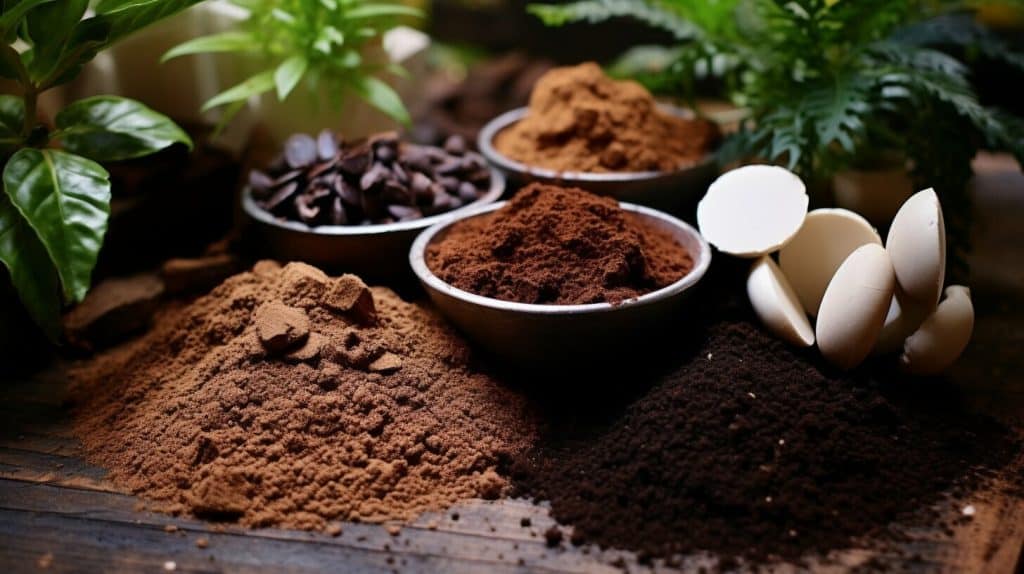
Before you start mixing your potting mix ingredients, it’s essential to ensure that the base materials are of the highest quality. The base materials for your potting mix are soil, compost, and organic matter.
Start by gathering the soil. The soil should be free of contaminants, pathogens, and weed seeds. If you’re using soil from your garden, ensure that it’s not compacted and has good drainage. If you’re buying soil, choose a high-quality soil mix that is specifically designed for container gardening.
Next, add compost to the soil. This adds much-needed nutrients to the mix and enhances the soil’s structure. You can use homemade compost or purchase compost from a garden center. Whatever compost you use, make sure it’s fully decomposed and doesn’t contain any weed seeds.
Finally, add organic matter to the mix. This can be anything from chopped leaves to shredded bark. Organic matter improves the texture and structure of the soil, allowing for better drainage and aeration.
Remember, the key to a successful potting mix is quality ingredients. Using low-quality soil, compost, or organic matter can result in poor plant growth and increased risk of disease.

Step 2 – Adding Essential Amendments
After preparing the base materials for your potting mix, it’s time to add essential amendments to enhance the nutrient content and structure of the mix. Depending on the specific needs of your plants, you may choose to add organic fertilizers, trace minerals, or pH adjusters.
Organic fertilizers: Adding organic matter to your potting mix can increase the nutrient content and improve overall soil health. Consider using compost, worm castings, or aged manure to enrich the mix.
Trace minerals: Trace minerals are essential for plant growth and development, but they are often lacking in conventional potting mixes. Consider adding rock dust or seaweed extract to provide an extra boost of essential minerals.
pH adjusters: The pH level of your potting mix can affect the availability of nutrients to plants. Adding amendments, such as lime or sulfur, can adjust the pH level to the appropriate range for your plants.
When adding these amendments, be sure to follow package instructions and use appropriate ratios to avoid over-fertilizing or damaging your plants.
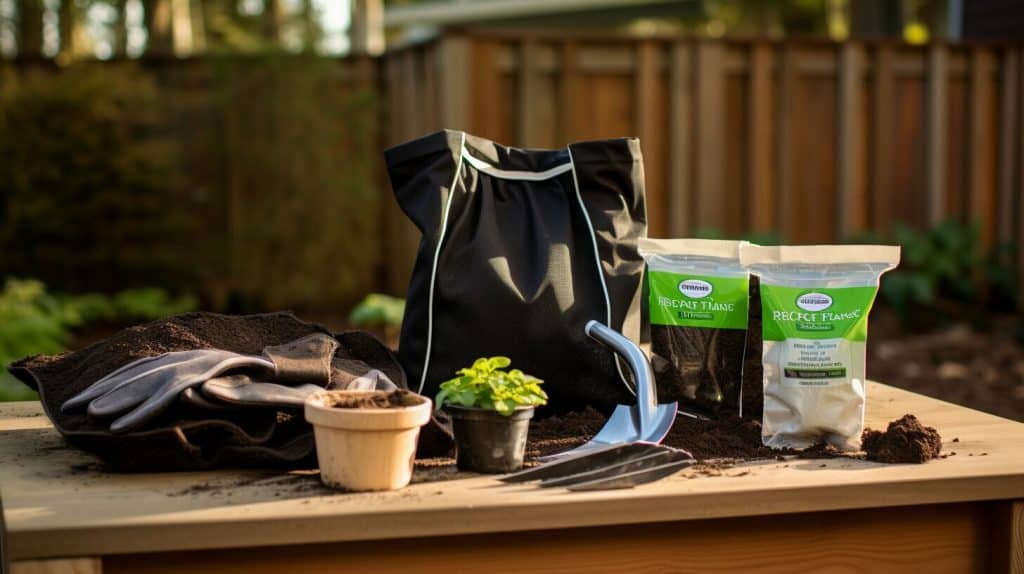
Expert tip: If you’re unsure about which amendments to add to your potting mix, consider getting a soil test to determine the nutrient profile of your soil. This can help you make informed decisions about which amendments are necessary to provide optimal growing conditions for your plants.
Step 3 – Incorporating Perlite for Improved Drainage
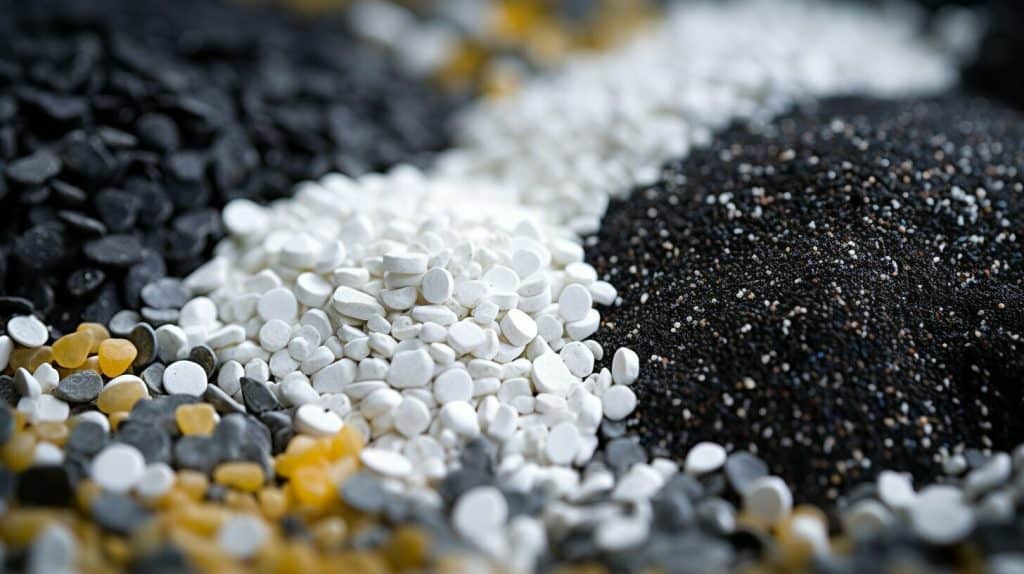
Now that we have our base materials and essential amendments mixed, it’s time to add perlite to the potting mix. Perlite is a naturally occurring mineral that is heated and expanded to create a lightweight and porous material. Its primary purpose in potting mix is to improve drainage and aeration, allowing water to move freely within the soil and preventing root rot.
To incorporate perlite into your potting mix, add it slowly while mixing the materials. Aim for a ratio of around 1:1 with the other ingredients, but this can vary depending on the specific needs of your plants and the type of potting mix recipe you are using.
It’s essential to wear gloves and a mask while handling perlite, as it can be dusty and may irritate your skin and lungs. Once the perlite is added, continue mixing the ingredients thoroughly to ensure even distribution throughout the potting mix.
And that’s it for Step 3! Adding perlite to your potting mix is a simple but essential step in creating a healthy soil environment for your plants to thrive. In the next step, we’ll explore how to balance moisture retention with the addition of coco coir.
Step 4 – Balancing Moisture Retention with Coco Coir
As we’ve discussed earlier, a well-draining potting mix is essential for plant growth. However, it’s also crucial to ensure that the mix retains just enough moisture to keep the plants hydrated. This is where coco coir comes in.
Coco coir is a natural fiber extracted from coconut husks and is an excellent alternative to peat moss. It’s an eco-friendly option and has better water retention properties than peat moss, making it an ideal component for potting mix.
The ratio of coco coir to other ingredients in the mix will depend on the specific needs of your plants. Generally, a 1:1 ratio of coco coir and peat moss works well for most plants, while a 2:1 ratio of coco coir to peat moss is ideal for plants that require more moisture retention.
When adding coco coir to your potting mix, it’s essential to soak it in water before use. This will help it absorb moisture and prevent it from taking away moisture from your plants. Simply add the required amount of coco coir to a container and pour in warm water. Allow it to soak until it has expanded and become soft, usually between 30 minutes to an hour.
Once the coco coir is ready, add it to your potting mix and mix thoroughly. It’s essential to achieve a consistent blend to ensure that the moisture content is balanced throughout the mix.
Step 5 – Adding Peat Moss for Nutrient Retention
Peat moss is an essential ingredient in potting mix due to its ability to retain nutrients and moisture. It is a type of decomposed plant material that has a high water holding capacity and can absorb up to 20 times its weight in water. This makes it ideal for plants that need consistent moisture levels, such as ferns, orchids, and succulents.
To incorporate peat moss into your potting mix, you’ll want to ensure that it’s fluffy and moist. One way to accomplish this is by soaking it in water for several hours before use. Once it’s hydrated, mix it in with the other ingredients at a ratio of between 10% to 25% of the total volume of the mix.
Remember that peat moss is not a sustainable resource and is harvested from wetlands, leading to environmental degradation. As an eco-friendly alternative, consider using coco coir or composted bark as a substitute. These materials have similar water retention properties and contribute to overall soil health.
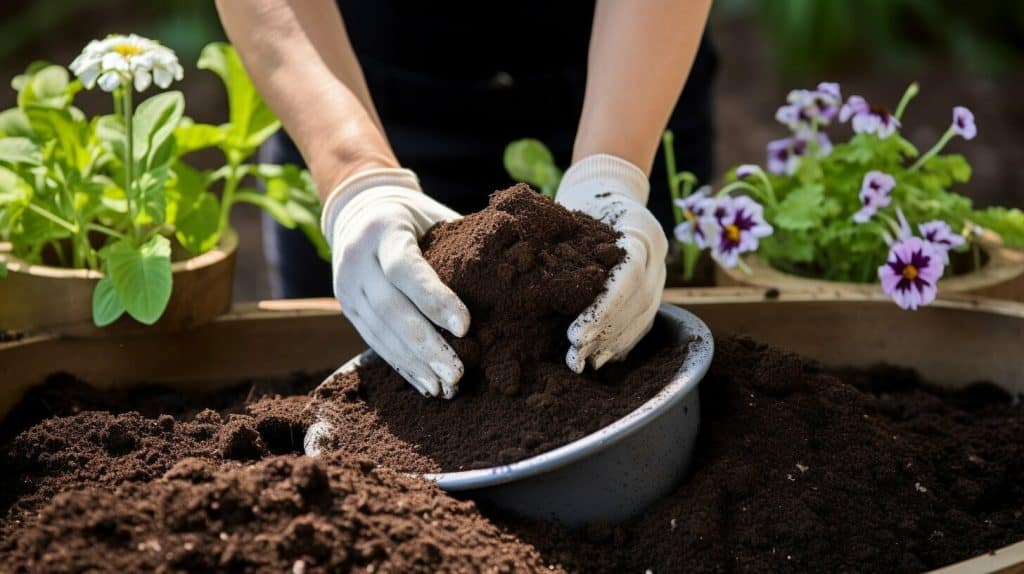
“Peat moss is an essential ingredient in potting mix due to its ability to retain nutrients and moisture.”
Properly Mixing and Blending the Potting Mix
After preparing all the necessary ingredients and amendments, it’s time to mix them together to create a high-quality potting mix. The key to achieving the best results is to ensure that all ingredients are evenly distributed and well-integrated.
To begin, I recommend using a large container or tarp to mix the ingredients together, ensuring you have enough space to maneuver and blend everything thoroughly.
Start by adding your base materials, such as soil, compost, or organic matter, and mix them together until they’re evenly distributed. Next, add your essential amendments, such as fertilizers or pH adjusters, and continue to mix thoroughly.
Once you have incorporated all the necessary ingredients, it’s time to add the perlite. This lightweight mineral helps to improve drainage and aeration, ensuring that the potting mix doesn’t become waterlogged or compacted. Add the perlite gradually, mixing it in as you go to ensure an even distribution.
After adding the perlite, it’s time to balance the moisture levels with coco coir. This material helps to retain moisture and prevent the potting mix from drying out too quickly. Add the appropriate amount of coco coir, depending on your desired moisture retention level, and mix thoroughly.
Finally, add the peat moss to help the potting mix retain essential nutrients. Mix everything together one final time until all ingredients are well-integrated. You should be left with a consistent, high-quality potting mix ready for your plants.
Remember to store any unused potting mix in an airtight container to prevent it from drying out or becoming contaminated with pests or diseases. With proper mixing and blending techniques, you can ensure a healthy and thriving garden for years to come.

Storing and Using the Potting Mix
Once you have prepared your potting mix, it’s essential to store it correctly to maintain its freshness and quality.
The best way to store your potting mix is to keep it in airtight containers or bags in a dry, cool, and dark place. Exposure to sunlight and heat can reduce the shelf life of the mix and cause it to dry out or lose its nutrients.
When you’re ready to use the potting mix, moisten it slightly, as this will make it easier to work with. Avoid using the mix when it’s bone dry or soaking wet, as this can affect the quality of your plants.
When transplanting or repotting your plants, make sure to choose a container with adequate drainage holes to prevent waterlogging. Fill the pot about two-thirds full with the potting mix, and gently firm the mix around the roots of the plant.
Water your plant thoroughly after repotting, and avoid fertilizing it for the first two to four weeks to allow it to adjust to the new soil.
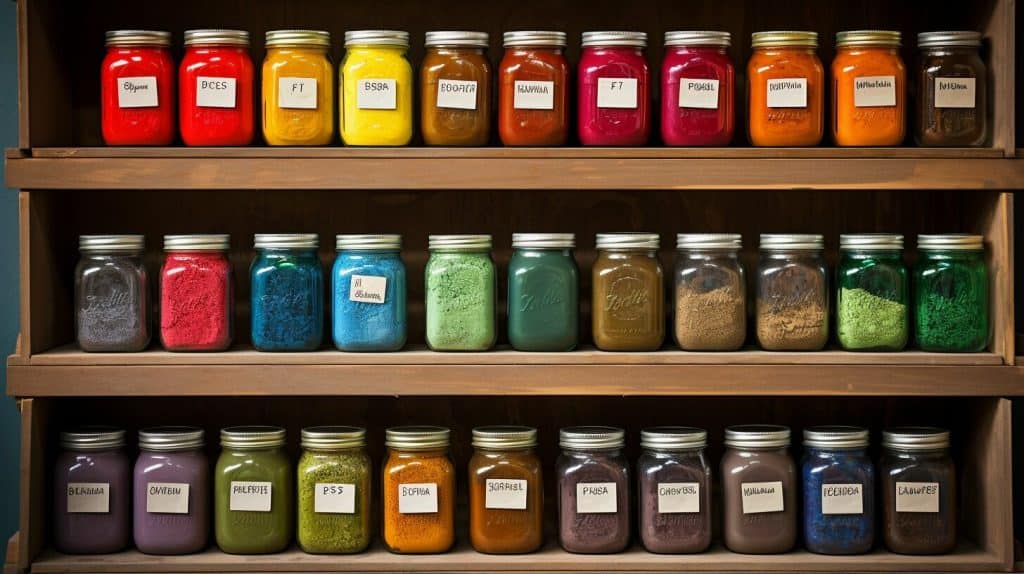
Remember to label your potting mix containers or bags with the date of preparation, ingredients used, and any specific instructions for its use. This will help you keep track of its shelf life and ensure you use the right mix for your plants.
Troubleshooting Common Potting Mix Issues
As gardeners, we all encounter problems with our potting mix from time to time. Thankfully, most issues can be resolved with a bit of knowledge and effort. Here are some common problems with potting mix and how to resolve them.
Problem: Nutrient Deficiencies
If you notice that your plants are not growing as well as they should be, it may be due to a nutrient deficiency in your potting mix. This could be caused by a lack of fertilizer or an insufficient amount of organic matter.
Solution: Start by adding a high-quality organic fertilizer to your potting mix. You can also add compost or worm castings to increase the organic matter in your mix. Be sure to follow the recommended application rates for the fertilizer and organic matter.
Problem: pH Imbalances
If your plants are showing signs of stress, such as yellowing leaves or stunted growth, it could be due to a pH imbalance in your potting mix.
Solution: Test the pH of your potting mix using a pH tester kit. If the pH is too high or too low, you can adjust it by adding either lime or sulfur. Lime will raise the pH, while sulfur will lower it. Be sure to follow the recommended application rates for these amendments and retest the pH after a few days.
Problem: Poor Drainage
If your potting mix is not draining properly, it can lead to waterlogged soil and root rot.
Solution: Check to make sure that your potting mix contains enough perlite or sand to improve drainage. You can also add more organic matter, such as compost or peat moss, to help with drainage. Be sure to avoid overwatering your plants and ensure that your pots have adequate drainage holes.
Problem: Pests and Diseases
If you notice pests or diseases in your potting mix, it can be a frustrating and challenging issue to resolve.
Solution: Start by removing any affected plants from the area. Next, remove as much of the contaminated potting mix as possible and dispose of it properly. Thoroughly wash the container and any tools that came into contact with the infected plants. Replace the potting mix with fresh, sterile mix to prevent reinfection.
Maintaining and Rejuvenating Your Potting Mix
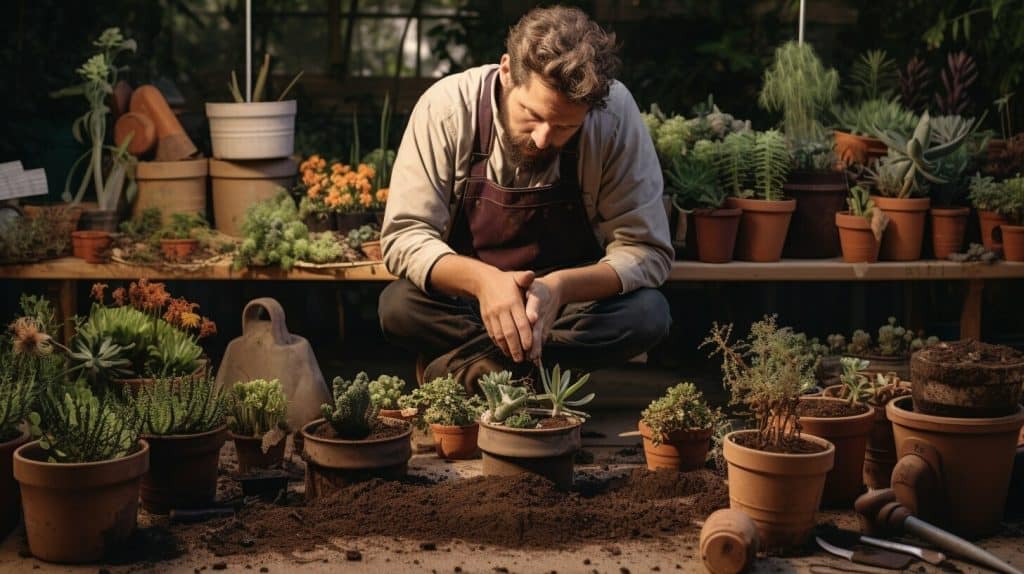
Regular maintenance and rejuvenation of your potting mix are essential for ensuring its long-term effectiveness. Over time, the organic matter in the mix breaks down, and the nutrient levels may become depleted, leading to poor plant growth and health. Here are some tips for maintaining and rejuvenating your potting mix:
- Add compost: Regularly adding compost to your potting mix can help replenish the nutrient content and improve the soil structure. Compost adds organic matter to the mix, which contributes to healthy plant growth.
- Replace depleted components: If you notice that your potting mix is lacking in specific components, you can add them back in. For example, if your mix is low in perlite, you can add some to improve drainage and aeration.
To rejuvenate an old potting mix, you can follow these steps:
- Remove the old mix: If your potting mix is more than a year old, it’s recommended that you replace it entirely. Remove the old mix from your pots or containers, and dispose of it appropriately.
- Prepare a new mix: Follow the steps outlined in this article to create a new potting mix that meets your gardening needs.
- Combine old and new mix: If you have just a small amount of old potting mix, you can mix it with the new mix to rejuvenate it. Be sure to add extra compost and other amendments to improve the nutrient content.
By maintaining and rejuvenating your potting mix, you can ensure that your plants receive the necessary nutrients and support for healthy growth and development.

Conclusion
In conclusion, creating your own potting mix can be a fun and rewarding experience that leads to healthier and more robust plants. By understanding the importance of potting mix for plant growth and the basic ingredients and their roles, you can select the appropriate materials for your mix. The step-by-step guide provided in this article can help ensure that you prepare, amend, and mix your potting mix correctly for optimal results.
Remember to take into account the specific needs of your plants when choosing ingredients and amending the mix. Regular maintenance and rejuvenation of your potting mix can also help ensure long-term success. In case of any issues, don’t hesitate to troubleshoot and adjust as necessary.
With this guide, you can confidently experiment with different ingredients and ratios to create the perfect potting mix for your gardening needs. Happy planting!
FAQ
Q: How can I create a potting mix for gardening success?
A: To create a potting mix, follow a step-by-step guide that includes preparing base materials, adding essential amendments, incorporating perlite for improved drainage, balancing moisture retention with coco coir, adding peat moss for nutrient retention, properly mixing and blending the mix, and storing and using it appropriately.
Q: Why is potting mix important for plant growth?
A: Potting mix is crucial for healthy plant growth as it provides essential nutrients, improves drainage and aeration, retains moisture, and supports root development. Using organic potting mix ingredients can further enhance plant health and overall growth.
Q: What are the basic ingredients in potting mix and their roles?
A: The primary ingredients in potting mix include peat moss, perlite, and coco coir. Peat moss helps with nutrient retention, perlite improves drainage and aeration, and coco coir balances moisture retention.
Q: How do I choose the right ingredients for my potting mix?
A: When selecting ingredients, consider your specific gardening needs. Homemade potting mix offers customization options. Choose quality ingredients that suit the requirements of your plants for optimal growth.
Q: How do I prepare the base materials for my potting mix?
A: Start by preparing soil, compost, and organic matter. Ensure the materials are of high quality and suitable for potting mix to provide a nutrient-rich foundation for your plants.
Q: What are the essential amendments to add to potting mix?
A: Essential amendments include organic fertilizers, trace minerals, and pH adjusters. These additions enhance the nutrient content and structure of the potting mix based on the specific needs of your plants.
Q: How do I incorporate perlite into my potting mix?
A: Add perlite to your potting mix to improve drainage and aeration. Follow step-by-step instructions to effectively incorporate perlite into the mix for optimal plant growth.
Q: How can I balance moisture retention with coco coir in my potting mix?
A: Coco coir helps maintain moisture levels in the potting mix. Follow the recommended potting mix ratio to ensure proper moisture retention for your plants.
Q: How do I add peat moss to my potting mix for nutrient retention?
A: Peat moss contributes to nutrient retention and overall plant health. Incorporate peat moss into the potting mix following proper guidelines to maximize its benefits.
Q: What is the proper technique for mixing and blending potting mix?
A: To achieve a consistent and well-integrated potting mix, follow proper techniques for mixing and blending the ingredients. Ensure all components are thoroughly combined for optimal plant growth.
Q: How should I store and use my potting mix?
A: Store the potting mix properly to maintain its freshness and quality for future use. Follow recommended guidelines for application when repotting or transplanting plants to ensure optimal results.
Q: How can I troubleshoot common potting mix issues?
A: If you encounter issues with nutrient deficiencies, pH imbalances, or poor drainage in your potting mix, follow troubleshooting tips and solutions to address and rectify these problems.
Q: How do I maintain and rejuvenate my potting mix?
A: Regular maintenance and rejuvenation of the potting mix are essential for long-term effectiveness. Add amendments, replace depleted components, and improve overall mix quality to support healthy plant growth.