
For those passionate about the natural world, there is a wealth of job opportunities in horticulture careers, plant industry jobs, and botany career opportunities. Whether you’re interested in garden jobs, landscaping careers, or the challenging field of forestry jobs, there’s a plant-based job beckoning your green thumb. Discover these 10 rewarding plant science jobs that can feed your desire to connect with nature, contribute to environmental stewardship, and grow a successful career working with plants.
Key Takeaways:
- Horticulture careers encompass various roles in plant cultivation and management.
- Conservation science and forestry jobs focus on preserving natural resources and promoting sustainability.
- Botany career opportunities involve researching and identifying new plant species.
- Plant science jobs, such as plant biology and plant genetics, investigate the inner workings of plants and their environmental impact.
- Organic farming and urban agriculture promote healthy, sustainable food production.
- Garden jobs and landscaping careers combine design and plant knowledge to create beautiful outdoor spaces.
- Specialized plant industry jobs, like floriculture and horticultural therapy, cater to niche interests and skills.
Nurturing Growth: Horticultural Product Management
For those passionate about plants and seeking a rewarding career in the horticulture industry, horticultural product management offers an exceptional blend of diverse experiences and opportunities for personal growth. As a horticultural product manager, you’ll play a pivotal role within horticulture companies, liaising with internal partners to ensure a positive customer experience from pre-sale to post-sale stages.
Thorough knowledge of the plant cultivation process and post-harvest procedures is crucial to effectively assist and guide customers in their horticultural endeavors. In this dynamic career, you’ll be responsible for overseeing various aspects of horticulture company employment, spanning from product development and supply chain management to customer service in horticulture.
A successful horticultural product manager typically possesses excellent communication, sales, and marketing competencies. The following is a list of key skills and qualifications required for this role:
- A Bachelor’s degree in horticulture, plant science, or a related field
- Strong interpersonal and communication abilities
- A passion for plants and the horticulture industry
- Effective problem-solving and decision-making skills
- Experience in customer service or sales roles
If you’re intrigued by the idea of making your mark as a horticultural product manager, consider your range of professional growth opportunities in the field by examining the following table:
| Career Level | Education | Responsibilities |
|---|---|---|
| Entry-Level | Bachelor’s Degree |
|
| Mid-Level | Bachelor’s Degree, experience in the field |
|
| Senior-Level | Master’s Degree or extensive experience |
|
In conclusion, horticultural product management offers a fulfilling and diverse career path for plant enthusiasts with a flair for customer service and business acumen. With ample opportunities for growth within horticulture companies, this occupation is an excellent choice for those looking to contribute to the advancement of horticulture careers and the overall industry.
The Guardians of Green: Conservation Science Careers
In a world where environmental conservation and sustainability have taken center stage, conservation science careers have become increasingly important. These professionals dedicate their lives to preserving natural resources, supporting environmental protection, and promoting ecological balance. There are various niches within this field, including forestry jobs, land conservation, and environmental science jobs. Key roles include conservation scientists and environmental protection careers, which we will discuss in depth below.
Conservation Scientist: A Benefactor of Biodiversity
A conservation scientist’s main responsibility is to preserve natural resources such as land, water, and air by advising landowners, governments, and other stakeholders on sustainable land use. These individuals often work in natural resource management and forestry jobs, where they focus on forest, park, and land conservation to ensure biodiversity and responsible land stewardship.
Educational Requirements:
- Bachelor’s degree in conservation science, forestry, or a related field for entry-level positions.
- Advanced degrees (Master’s or Ph.D.) for senior roles and research positions.
Key Responsibilities:
- Develop and implement management plans for forests, parks, and natural lands.
- Analyze and monitor environmental data to inform decision-making.
- Collaborate with stakeholders, such as landowners, government agencies, and NGOs, to ensure best practices in land conservation are implemented.
Environmental Protection: Careers in Environmental Science
Environmental scientists work to address pressing environmental concerns by focusing on solid, water, air, and land conservation. Their primary goal is to mitigate the harmful effects of man-made impacts, such as pollution, urbanization, and other factors that disrupt ecological balances. They often collaborate with other scientists, government agencies, and environmental groups to devise effective strategies for pollution mitigation and environmental regulation enforcement.
Educational Requirements:
- Bachelor’s degree in environmental science or a related field.
- Advanced degrees (Master’s or Ph.D.) for research positions and other specialized roles.
Key Responsibilities:
- Conduct research into environmental issues, such as climate change, pollution, and resource depletion.
- Develop and implement environmental conservation strategies and recommendations.
- Collaborate with various stakeholders to manage and preserve natural resources on a global scale.
In conclusion, conservation science careers provide a fulfilling and essential path for those passionate about environmental conservation and natural resource management. With roles in forestry, land conservation, and environmental protection, these professionals help maintain ecological balance and sustainability around the globe. If you are interested in this area, begin by exploring educational opportunities and various roles within the field to find the best fit for your skills and qualifications.
The Science of Flora: Botanical Science Opportunities
Botanical science thrives on an amalgamation of curiosity and dedication to studying and researching various forms of plant life. This unique branch of science allows for various botanical science careers that diverge from traditional gardening and landscaping.
Botanists study diverse vegetation forms, such as fruits, herbs, flowers, and algae, contributing to groundbreaking research and discoveries in plant biology. Their work is crucial in environmental conservation and furthers our understanding of the natural world. The following are some of the key areas of specialization within botanical science:
- Field Botany
- Medicinal Botany
- Taxonomy
- Plant Physiology
- Plant Ecology
Each of these botanist jobs demands an unwavering focus on education, often with varying botany education requirements. From obtaining a Bachelor’s degree for entry-level jobs to pursuing a Doctorate for advanced research positions, a strong commitment to learning helps propel one’s career in botanical science to greater heights.
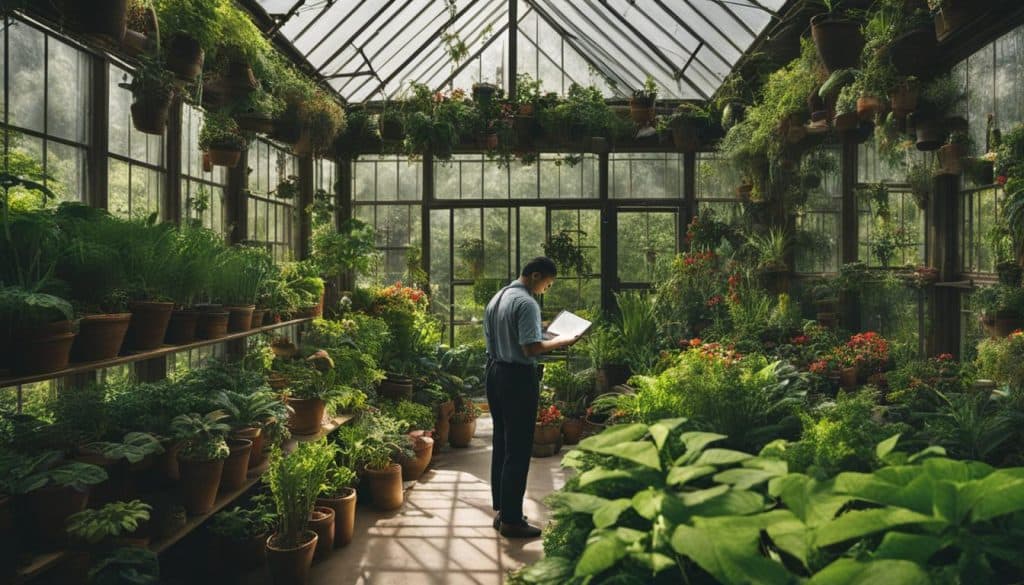
Botanical science offers countless research opportunities, with plant labs and greenhouses serving as hubs for technological advancements in plant biology. Collaborating with fellow botanists and professionals, budding experts get to explore the world’s diverse flora and uncover new plant species, publish groundbreaking research, and contribute to scientific innovations.
| Botanical Science Specialization | Education Requirements | Job Description |
|---|---|---|
| Field Botany | Bachelor’s Degree | Study plants in their natural habitats, collect plant specimens, and maintain databases of flora. |
| Medicinal Botany | Doctorate Degree | Research different types of plants for their potential medicinal properties and therapeutic uses. |
| Taxonomy | Master’s Degree | Classify plant species into various categories, identify new species, and create herbariums. |
| Plant Physiology | Master’s Degree | Explore the function and structure of plants on a molecular and cellular level, often working in laboratories. |
| Plant Ecology | Master’s Degree | Examine the relationship between plants and their environment, striving to understand the impact of human activities on ecosystems. |
Botanical science professionals will always have earlier positions to advance their career, opening up new opportunities for growth and development. With such plant research opportunities in abundance, botanical science has only just begun unraveling the mysteries behind Earth’s abundant flora.
Reaping Rewards: Careers in Organic Farming
The demand for healthy and sustainably-grown food has skyrocketed in recent years, offering numerous organic farming careers to those interested in fostering sustainable agriculture. The cultivation of crops using eco-friendly practices not only benefits the environment but also promotes local food production. This section will explore the opportunities in organic farming, particularly focusing on urban agriculture.
Urban Agriculture: Green Thumbs in the Concrete Jungle
Urban agriculture initiatives are sprouting up in cities worldwide, presenting a unique blend of farming and urban life. These initiatives include rooftop gardens, vertical farming in buildings, and park gardens, allowing for the cultivation of fresh produce within the city confines. The green urban gardening movement is supported by local community members and organizations such as urban farming clubs, who work together to share resources, knowledge, and the joy of growing fresh vegetables and fruits.
Starting an organic farming career can be a rewarding, albeit demanding, endeavor. The hands-on nature of the work often leads to a strong connection with the land and the plants being grown. The following list highlights some typical tasks and responsibilities associated with organic farming:
- Preparing and maintaining the soil
- Selecting and planting organic seeds
- Managing pests using natural solutions
- Implementing sustainable irrigation techniques
- Harvesting and processing crops for sale
While urban agriculture offers a unique way to bring sustainable farming practices into city environments, it’s essential to recognize the challenges associated with this career path. Some of these obstacles include:
- Competition for limited space
- Inadequate access to natural resources
- Adhering to strict regulations and zoning requirements
- Adapting to climate and weather fluctuations
- Ensuring a consistently high quality of produce
Despite these challenges, organic farming careers provide rewarding opportunities for those passionate about sustainable agriculture and local food production. By imparting the necessary knowledge and skills, individuals can help reshape our cities’ food systems, contributing to a healthier, greener urban environment.
Unearthing New Grounds: Plant Biologist Roles
As a plant biologist, one investigates various plant species and their effects on ecosystems, often working in laboratories and sometimes conducting fieldwork. This career path diverges from botany, focusing less on discovering new species and more on researching plant biology, requiring at least a Bachelor’s degree for most positions.
Some of the primary areas of study within plant biology careers include vegetation research, ecosystem impact studies, and plant biology education. These specialties allow plant biologists to make valuable contributions to our understanding of the natural world, often leading to new job opportunities and advancing scientific knowledge.

-
Plant Physiology: Plant physiologists study the internal workings, growth, and life processes of plants. Their research contributes to understanding how different plant species adapt to diverse environments and how they process nutrients and energy to grow.
-
Molecular Biology and Genetics: Plant molecular biologists and geneticists examine the genetic codes and molecular processes guiding plant growth, reproduction, and interaction with their surroundings. Their work can have major implications for agriculture and plant breeding techniques.
-
Ecosystem Studies: Plant ecologists explore the relationships between plants and their environments and how they influence each other. They can identify important factors that contribute to ecosystem health and find ways to protect and restore natural habitats.
One way to kickstart your journey in plant biology is by completing the necessary plant biology education requirements. A bachelor’s degree in plant biology or a related field is typically the minimum requirement, while a Master’s or Doctorate may be required for more specialized roles or laboratory positions.
| Career Path | Education Requirements | Estimated Salary |
|---|---|---|
| Plant Biologist | Bachelor’s Degree | $50,000 – $85,000 |
| Geneticist | Master’s or Doctorate Degree | $70,000 – $120,000 |
| Ecologist | Master’s or Doctorate Degree | $60,000 – $110,000 |
In conclusion, pursuing a career in plant biology provides numerous plant biologist jobs for those with a passion for research and the plant world. As this field continues to expand, so too will the opportunities for plant biologists to contribute to vital vegetation research and ecosystem impact studies.
Healing with Horticulture: Horticultural Therapy Jobs
At the intersection of cultivation and recovery, horticultural therapy careers offer a unique blend of social service with gardening. Horticultural therapists play a vital role in promoting mental health recovery with horticulture by empowering individuals with diverse challenges to participate in therapeutic plant activities.
Horticultural therapy is a practice that combines gardening with evidence-based social services to address physical, psychological, and emotional needs of individuals from varied backgrounds. This powerful modality has gained increased recognition for its ability to promote wellbeing and recovery in settings such as hospitals, community centers, and correctional facilities.

To excel in horticultural therapy careers, aspiring professionals must study both plant and human sciences as well as therapy techniques tailored to serve different populations. The educational journey typically begins with a Bachelor’s degree, followed by specialized training and certifications in horticultural therapy.
- Horticultural Therapy Certificates: These allow professionals to expand their expertise by learning specific therapeutic interventions that merge plant-based activities and social support.
- Continuing Education: Consistent professional development is vital, as advances in the field and ongoing research continue to inform best practices.
Horticultural therapists employ their diverse skillset to design customized therapeutic programs, often using creative and engaging gardening activities as tools to address the unique needs of individuals. These interventions can range from hands-on planting projects to sensory explorations of a variety of plants.
| Benefits of Horticultural Therapy | Examples of Therapeutic Activities |
|---|---|
| Stress relief and relaxation | Morning gardening rituals, indoor plant care, floral arrangements |
| Improved motor skills and physical wellbeing | Pruning, weeding, planting new seeds or transplants |
| Boosted cognitive functioning | Plant identification, memory games with plant features, garden design projects |
| Socialization and community-building | Collaborative garden projects, group discussions on gardening experiences, horticulture-related workshops |
If you have a passion for both gardening and helping others, horticultural therapy careers may be the perfect path to fulfill your professional and personal aspirations. By embarking on this rewarding journey, you will have the privilege to witness the transformative power of therapeutic plant activities in the lives of those you serve.
Designing with Nature: Careers for Floriculturists
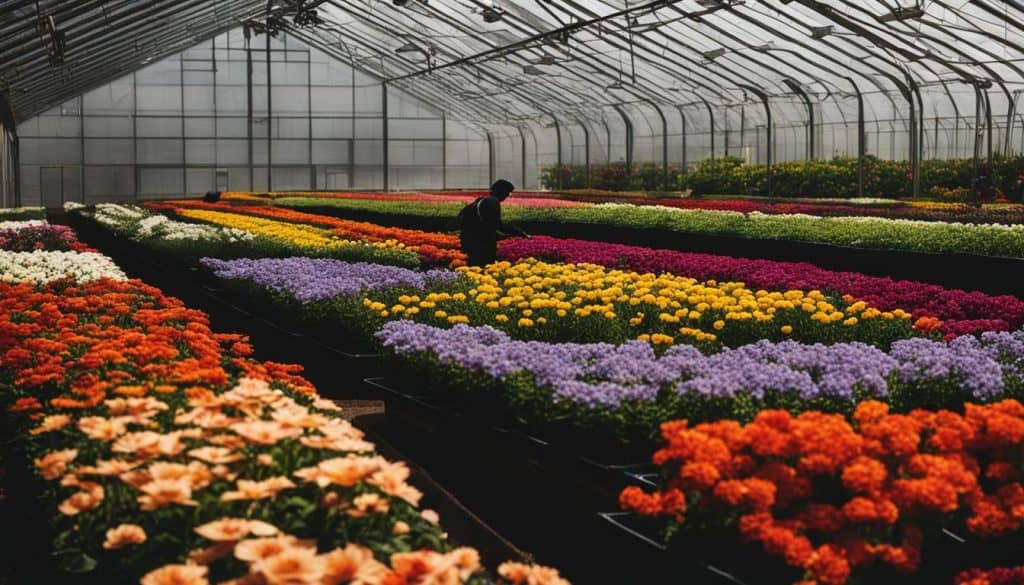
Floriculturists are experts who specialize in growing, cultivating, and arranging flowers and ornamental plants for various occasions and commercial purposes. Their work combines artistry with scientific knowledge, making a floriculture career an ideal choice for those who love both creativity and plants. The field of floriculture offers various employment opportunities, such as ornamental horticulture jobs, floral design, and positions in research and education.
The foundation of a successful career in floriculture lies in a strong understanding of flower cultivation techniques. Aspiring floriculturists must learn about different plant types, their requirements for growth, and how to maintain them in a range of environments. As they progress in their careers, floriculture professionals can choose to specialize in specific areas, such as creating exquisite floral designs for events or improving ornamental horticulture processes for businesses.
Another essential aspect of becoming a floriculturist is acquiring the right education and experience. Educational programs in ornamental horticulture, floral design, or floriculture management can provide the necessary knowledge for a successful career in this field. Listed below are examples of the most recognized programs and organizations offering floriculturist education:
- American Floral Endowment (AFE)
- Association of Specialty Cut Flower Growers (ASCFG)
- Professional Floral Communicators International (PFCI)
For those aiming to work in research-focused positions in universities or the horticulture industry, a Bachelor’s degree or higher may be necessary. Such roles often involve developing new flower varieties and teaching floriculture techniques to future professionals.
| Career Path | Responsibilities | Education |
|---|---|---|
| Ornamental Horticulturist | Responsible for cultivating, maintaining, and improving ornamental plants | Associate or Bachelor’s degree in Horticulture or Floriculture |
| Floral Designer | Designing and arranging flowers and greenery for events and commercial settings | Floral design certification or on-the-job training |
| Floriculture Researcher | Developing new flower varieties and improving cultivation methods | Bachelor’s degree or higher in Floriculture or Horticulture |
| Floriculture Educator | Teaching floriculture techniques and principles | Bachelor’s degree or higher in Floriculture or Horticulture, coupled with teaching experience |
In conclusion, floriculture careers offer a unique blend of creativity, science, and business, making it an enticing choice for individuals passionate about plants. With proper education and experience, one can thrive in various roles in this field, from ornamental horticulturist jobs to floral design positions.
Conclusion
As a plant enthusiast, you have numerous rewarding plant careers to choose from, exploring opportunities in diverse fields like horticulture, conservation, and plant science. These career paths not only provide personal and professional growth but also significantly contribute to environmental stewardship.
From horticultural product management roles requiring engagement with the public to science-based positions in botany, plant biology, and eco-conservation, there is a fulfilling occupation available for everyone passionate about plants. Each of these career options varies in its educational requirements and employment settings, offering a vibrant spectrum to choose from, depending on your skillset and interests.
The future of plant industry jobs is undoubtedly burgeoning, with the demand for sustainable agricultural and environmental practices consistently on the rise. As a plant enthusiast, embarking on a plant-focused career is an opportunity to make a tangible, positive impact on the world while finding immense personal satisfaction and growth.
FAQ
What are some career opportunities for plant enthusiasts?
There are numerous careers, including horticultural product management, conservation science, botanical science, organic farming, plant biology, horticultural therapy, floriculture, and plant videography. Each career varies in terms of education requirements and job responsibilities.
What does a horticultural product manager do?
A horticultural product manager liaises with internal partners within horticulture companies to ensure positive customer experiences throughout the buying process. This role requires knowledge in plant cultivation and post-harvest processes and typically necessitates a Bachelor’s degree and competencies in communication, sales, and marketing.
What is conservation science and which careers are related to this field?
Conservation science focuses on preserving natural resources, including land, water, and the broader environment. Careers in conservation science involve advising landowners and governments on sustainable land use and managing forests, parks, and other natural lands. Conservation scientists and environmental scientists both work in this field, with varying responsibilities and education requirements.
What distinguishes a botanist from a gardener or landscaper?
Botanists research various forms of vegetation, such as fruits, herbs, flowers, and algae. Careers in botanical science are diverse and may encompass specialties such as field botany and medicinal botany. This field requires focused education, ranging from a Bachelor’s to Doctorate degrees for advanced research roles.
What types of jobs are available in organic farming?
Jobs in organic farming respond to the increased demand for healthy, sustainably-grown food. Urban agriculture initiatives allow for farming within city environments, such as rooftop and park gardens. These careers often begin with hands-on work, engaging with nature to cultivate organic produce.
How does plant biology differ from botany, and what careers are available in plant biology?
Plant biology focuses on researching different plant species and their effects on ecosystems, often working in laboratories and occasionally conducting fieldwork. This field diverges from botany, focusing less on discovering new species and more on plant biology research. A Bachelor’s degree is required for most plant biologist positions.
What is horticultural therapy, and what jobs are available in this field?
Horticultural therapy integrates gardening with social services to assist individuals with mental and physical challenges, promoting recovery through engaging plant-based activities. Jobs in this field involve working with various populations in settings such as hospitals, community centers, and correctional facilities. Educational preparation requires studying both plant and human sciences and horticultural therapy techniques, typically necessitating a Bachelor’s degree.
What careers are available for floriculturists?
Floriculturists specialize in growing, cultivating, and arranging flowers and ornamental plants for events and commercial purposes. Opportunities in this field include research-focused positions in universities and the horticulture industry, which may require a Bachelor’s degree or higher. Other roles involve developing new flower varieties and teaching floriculture.