
Botany and horticulture are both essential fields within the vast realm of plant science, yet each possesses its unique focus and methodology. Gaining a clear understanding of the differences between botany and horticulture can be a crucial first step toward a deeper appreciation of plant biology and its applications in our everyday lives. In this comprehensive guide, we delve into the intricacies of these two intertwined disciplines, from their historical origins to their modern-day practices, shedding light on their significance and contributions to the world of plants and beyond.
Key Takeaways
- Botany, a subset of biology, focuses on scientific analysis and research on plant species.
- Horticulture is rooted in the cultivation and management of plants for various practical and aesthetic purposes as a subset of agriculture.
- Botanists are often more research-oriented, while horticulturists engage in hands-on cultivation and nurturing of plants.
- Approximately 410,000 species of land plants contribute to the diverse field of botany, while horticulture works with around 7,000 types of cultivated plants.
- Both botany and horticulture play significant roles in advancing our understanding of plants and their roles in global sustainability and survival.
Understanding the Basics of Botany
Botany, also referred to as plant science or phytology, is rooted in the study of plant life and its multifarious forms. It explores various aspects such as photosynthesis, plant adaptations, and reproductive mechanisms. The field’s historical origins trace back to early agricultural practices and herbalism, with modern botanists often specializing in specific disciplines like palynology (study of pollen and spores) and dendrology (study of woody plants). Approximately 410,000 species of land plants exist, contributing to botany’s status as a diverse and rich field of study.
To delve deeper into the fascinating world of botany, it’s essential to grasp some key concepts and principles that form the foundation of plant biology. In this section, we will explore four central components of botany: photosynthesis, plant adaption, the roles of botanists, and land plant species.
- Photosynthesis: Photosynthesis is the process through which plants, algae, and some bacteria capture sunlight and convert it into chemical energy to fuel their growth and reproduction. This energy is stored in the form of glucose, which serves as the primary food source for plants. Photosynthesis not only enables plants to grow but also plays a crucial role in producing oxygen and removing carbon dioxide from the atmosphere.
- Plant Adaptation: Plant adaptations are the various ways plants have evolved to survive and thrive in their environments. These adaptations might include specific growth patterns, reproductive strategies, or physiological changes that help plants withstand extreme temperatures, water scarcity, or other habitat challenges.
- Role of Botanists: Botanists are scientists who study plant biology and contribute to our understanding of the complex and diverse world of plants. They may investigate plant genetics, physiology, ecology, or taxonomy and often specialize in a particular area of plant research. Additionally, botanists play a critical role in the development of new agricultural techniques, the conservation of rare plant species, and the discovery of novel medical treatments derived from plants.
- Land Plant Species: Land plants, or embryophytes, are a diverse group of organisms that include vascular plants (e.g., ferns, gymnosperms, and angiosperms) and non-vascular plants (e.g., mosses, liverworts, and hornworts). With an estimated 410,000 species, land plants are a critical component of our planet’s biodiversity and ecosystems.
| Key concept | Description | Importance in Botany |
|---|---|---|
| Photosynthesis | Process of capturing sunlight and converting it into chemical energy to fuel plant growth and reproduction. | Essential for understanding plant growth and survival; contributes to oxygen production and carbon dioxide removal from the atmosphere. |
| Plant Adaptation | Various ways plants have evolved to survive and thrive in their environments. | Helps explain plant distribution and abundance; informs conservation and plant breeding efforts. |
| Role of Botanists | Scientists who study plant biology and contribute to understanding the complex world of plants. | Advances knowledge and understanding of plants; contributes to agriculture, conservation, and medicine. |
| Land Plant Species | Diverse group of organisms, including vascular and non-vascular plants. | Crucial to understanding plant biodiversity and the functioning of ecosystems. |
By comprehending these fundamental concepts, you are well on your way to grasp the botany basics and appreciate the remarkable world of plants and their diverse adaptations, making significant contributions to our planet’s ecosystems and human well-being.
Diving into the World of Horticulture
Horticulture is the art and science of plant cultivation, falling within the realm of agriculture. It is a practice that dates back to early civilization signs and involves around 7,000 types of cultivated plants. The field extends beyond food production to material cultivation from plants such as timber and cork, as well as ornamental horticulture.
Horticultural subspecialties like floriculture and pomology reflect the field’s diversity and its crucial role in domesticating plants for various uses. Let’s explore some of the primary horticultural categories:
- Ornamental Horticulture: Focuses on cultivating and arranging plants for aesthetic purposes, including landscape architecture, garden design, and nursery production.
- Floriculture: Specializes in the cultivation of flowering and foliage plants for cut flowers, potted plants, and bedding plants.
- Pomology: The science of growing and harvesting fruit crops, such as apples, cherries, and citrus fruits.
- Olericulture: The study and cultivation of vegetable crops.
- Viticulture: Specialized in grapevines and grape production for wine, raisins, and table grapes.
Regardless of the specialty, horticulturists work tirelessly to optimize plant growth, maintaining the health and productivity of their cultivated plants. Some primary responsibilities of horticulturists may include:
- Selecting and propagating plant specimens for cultivation.
- Developing and implementing disease and pest control measures.
- Monitoring and adjusting environmental factors like soil pH, moisture, and nutrient levels.
- Implementing advanced cultivation techniques, such as grafting, pruning, and training plants.
- Harvesting and post-harvest management, including storage, grading, and packaging.
Across horticultural sectors, professionals apply a blend of scientific knowledge and artistic sensibility to create vibrant green spaces, boost crop yields, and drive advancements in plant breeding. The impact of these contributions can be seen in the following table, which highlights the diverse applications of horticulture.
| Horticultural Category | Application |
|---|---|
| Ornamental Horticulture | Public parks, botanical gardens, landscape design |
| Floriculture | Flower shops, greenhouses, nurseries |
| Pomology | Orchards, fruit processing plants, wineries |
| Olericulture | Farms, farmers’ markets, vegetable processing plants |
| Viticulture | Vineyards, wineries, wine distribution |
In summary, horticulture represents a vital agricultural subset, encompassing various areas dedicated to optimizing plant cultivation for a vast array of purposes. As horticulturists continue to innovate and refine their practices, the world of horticulture will remain an essential component of human society and our relationship with the plant kingdom.
The Role of a Botanist: Exploring Plant Science
Botanists play a crucial role in deepening our understanding of the world’s flora, undertaking extensive research and analysis in various plant science disciplines. By exploring plants’ biochemistry, ecology, and evolutionary biology, they contribute to both food security and medical advancements. In this section, we will delve into the research and discoveries in botany, as well as their broader contributions to food and medicine.
Research and Discovery in Botany
Botanists engage in critical research that expands our collective knowledge about plants. Their work often involves traveling to study new or endangered species, documenting agricultural production, and studying environmental impacts on flora. Through these efforts, they unveil invaluable insights into plants, their properties, and their complex interactions within ecosystems.
- Uncovering new species and their unique properties
- Documenting and analyzing agricultural production
- Examining environmental factors and their impacts on plant life
- Exploring ecological relationships between plants and other organisms
- Investigating plant genomes and genetic diversity
Botanical Contributions to Food and Medicine
Botanists contribute to food security and medical advancements by studying plants’ roles and benefits as sources of nutrition and healthcare. Through their research, they seek to unlock plants’ potential as providers of essential nutrients, medicines, and other valuable resources.
Benefits of Research in Botany:
- Development of new medicinal compounds
- Conservation of essential plant species
- Identification and utilization of plants for nutritional purposes
- Improved agricultural techniques to maximize crop yields
Botanists also work closely with other scientific fields, such as genetics and biotechnology, to further our understanding of plant biology and create a sustainable bridge between plant science, food production, and healthcare. By collaborating with professionals from diverse disciplines, they strive to enhance the quality of life for people worldwide while preserving the planet’s biodiversity.
The Horticulturist’s Craft: Cultivating and Nurturing Plants
Horticulturists are skilled professionals in the cultivation and maintenance of plants, including crops, trees, and ornamental flora. With a combination of scientific knowledge and artistic talent, they influence both the productivity and aesthetics of the plant world. Their expertise encompasses a wide range of activities, such as advising on agricultural practices, tree cultivation, and creating eye-catching decorative plant arrangements.

Horticulturalists play a crucial role in supporting crop growth and maintaining the health of plants. They achieve this through various means, such as:
- Soil analysis and amendment
- Nutrient management
- Pest and disease control
- Pruning and trimming
- Plant propagation
Additionally, horticulturists often collaborate with other professionals, like landscape architects and garden designers, to create visually stunning outdoor spaces for both commercial and residential areas.
The applications of horticultural expertise span a variety of sub-fields, each focusing on specific aspects of plant nurturing. These include:
- Arboriculture: tree cultivation and maintenance
- Floriculture: flower cultivation
- Landscape horticulture: creating and maintaining outdoor spaces
- Nursery production: producing plants for sale or transplantation
- Pomology: fruit cultivation
Given the versatile nature of the horticulture profession, horticulturists have ample opportunities to specialize in their preferred areas and hone their skills in plant nurturing.
| Sub-field | Description |
|---|---|
| Arboriculture | Cultivation and maintenance of trees, including pruning, shaping, and diagnosing diseases |
| Floriculture | Development and production of flowering and ornamental plants for commercial sale, including cut flowers and potted plants |
| Landscape horticulture | Design, creation, and ongoing maintenance of outdoor spaces, including public parks, commercial properties, and residential gardens |
| Nursery production | Growing and selling plants for use in gardens, landscapes, and other environments, as well as for transplant purposes |
| Pomology | Specialization in fruit cultivation, encompassing breeding, production, and storage of fruit crops |
In summary, horticulturists play a vital role in shaping our world through their expertise in plant nurturing, crop growth, and tree cultivation. Their valuable contributions to horticultural maintenance result in both functional and beautiful spaces, showcasing the true art of their craft.
Botanical Classifications: The Taxonomy of Plant Life
The practice of classifying plant life, known as botanical taxonomy, organizes species based on shared characteristics. This systematic approach is essential to understanding and documenting the vast diversity of the plant kingdom. Botanical classifications provide a structure to help scientists and researchers identify and categorize plant species, making it easier to study their evolution, distribution, and ecological roles.
Early plant taxonomists used morphological characteristics like leaf shape, flower structure, and fruit type to identify and classify plants. However, as our understanding of plants’ genetic complexity has evolved, more modern plant taxonomy incorporates molecular data and genetic analysis to refine these classifications further.
- Kingdom: Plantae
- Subkingdom: Embryophyta (land plants)
- Division or Phylum: groups like Bryophyta (mosses) and Anthophyta (flowering plants)
- Class: groups like Monocotyledonae (monocots) and Eudicotyledonae (eudicots)
- Order: groups like Liliales (lilies) and Rosales (roses)
- Family: groups like Poaceae (grasses) and Fabaceae (legumes)
- Genus: groups like Quercus (oaks) and Solanum (nightshades)
- Species: individual species like Quercus rubra (red oak) and Solanum lycopersicum (tomato)
The classification hierarchy begins with the plant kingdom (Plantae) and narrows down into more specific categories, ultimately reaching the individual species level. To facilitate communication among scientists and researchers worldwide, plant species are often referred to by their Latin binomial names, which consist of the genus and species names (e.g., Quercus rubra).
The following table demonstrates examples of botanical classifications for five different plant species:
| Common Name | Scientific Name | Family | Genus | Species |
|---|---|---|---|---|
| Black-eyed Susan | Rudbeckia hirta | Asteraceae | Rudbeckia | hirta |
| Red Maple | Acer rubrum | Aceraceae | Acer | rubrum |
| Virginia Bluebell | Mertensia virginica | Boraginaceae | Mertensia | virginica |
| Pacific Dogwood | Cornus nuttallii | Cornaceae | Cornus | nuttallii |
| Rough Blazing Star | Liatris aspera | Asteraceae | Liatris | aspera |
In conclusion, botanical classifications and plant taxonomy play a crucial role in understanding the vast diversity of plant species. These classifications provide a foundation for further research and study, enhancing our overall knowledge of the plant kingdom and its essential role in our world’s ecosystems.
Horticulture Techniques: From Propagation to Harvest
With the progression of horticulture, techniques such as selective breeding and improved growth methodologies have revolutionized crop production and efficiency in plant care. As the demand for sustainable and resilient plant cultivation continues to increase, horticulturists worldwide are exploring innovative practices to optimize crop yields and ecological balance.
Advancements in Plant Cultivation
Over the years, numerous advancements have been made in horticulture techniques, resulting in more efficient and effective methods for plant propagation and growth. Some of these advancements include:
- Hydroponics: The soilless cultivation of plants, allowing for greater control over nutrients and water supply.
- Greenhouse technology: Providing a controlled environment for plants to thrive, regardless of external weather conditions.
- Plant tissue culture: Utilizing sterile laboratory conditions to propagate plants from tiny tissue samples, paving the way for producing disease-free, genetically identical plant clones.
Implementing Sustainable Horticultural Practices
The implementation of sustainable practices in horticulture is becoming increasingly important, with techniques that promote ecological balance, resource conservation, and resilience in plant cultivation. Some key sustainable horticulture practices include:
- Crop rotation: Planting different crops in a planned sequence helps to prevent soil nutrient depletion and minimize pest and disease problems.
- Composting and mulching: Using organic materials to improve soil health, reduce erosion, and conserve moisture.
- Integrated pest management (IPM): Combining biological, cultural, and chemical control methods to manage pests in an environmentally friendly manner.
- Water conservation: Implementing techniques such as drip irrigation and rainwater harvesting to optimize water usage.
The ongoing development and implementation of these sustainable horticulture techniques are vital to ensure long-term productivity and environmental health in the face of global challenges such as climate change and population growth.
Botany and Ecology: Interactions with the Environment
Botany and ecology are interconnected fields that focus on understanding the vital relationships between plants and their environment. This knowledge helps scientists gain insight into plant ecosystem interdependence and informs strategies for conservation and ecosystem health. In this section, we will explore the intricate environmental interactions that occur within the plant ecosystem and their implications for botany ecology.
Plant communities play a crucial role in ecosystems, providing habitat and food sources for animals and regulating various ecological processes. Various factors influence plant distribution and abundance, including:
- Climate: temperature, precipitation, and seasonality
- Geography: altitude, latitude, and topography
- Soil conditions: nutrient availability, pH, and texture
- Disturbances: fire, flooding, and human activities
- Biological interactions: competition, predation, and mutualism
| Ecological Interaction | Description | Example |
|---|---|---|
| Competition | Occurs when two or more species vie for the same resource. | Grasses and weeds competing for nutrients and sunlight. |
| Predation | One organism consumes another. While animals are the most well-known predators, several plant species also exhibit predatory behavior. | Venus flytrap capturing and digesting insects. |
| Mutualism | Two organisms interact in a way that benefits both parties. | Bees pollinating flowers in exchange for nectar. |
| Commensalism | Interaction in which one species benefits without affecting the other. | Epiphytic plants, like orchids, growing on trees without harming them. |
| Parasitism | One organism benefits at the expense of another, often weakening or killing the host. | Dodder, a parasitic plant, extracts nutrients from its host. |
Botanical ecologists study these environmental interactions to better understand the distribution, abundance, and diversity of plant species and how they respond to changes in their environment. This research can inform conservation strategies by identifying key plant species that support a healthy ecosystem, as well as by highlighting potential threats to plant ecosystems such as habitat loss, pollution, and invasive species.
Furthermore, understanding plant ecosystem interdependence is essential for promoting sustainability in agriculture, forestry, and other land management practices. Integrating ecological principles into these sectors can minimize detrimental environmental impacts and enhance the resilience of plant communities to disturbances.
Employing Technology in Horticulture
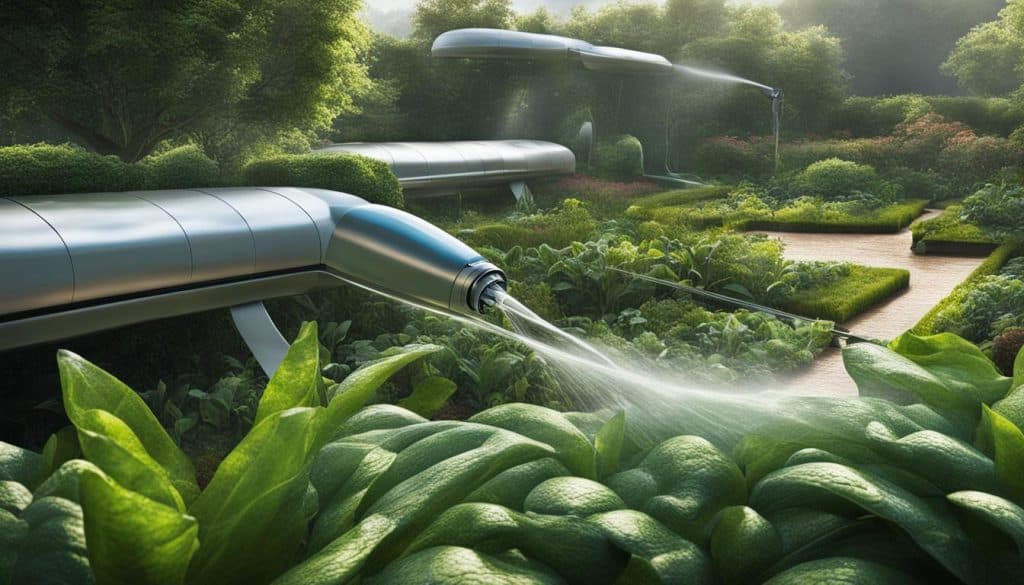
In recent years, the field of horticulture has seen several advancements, thanks to the integration of various technologies. Modern horticulture increasingly employs technology such as automation for efficient plant care, as well as data analysis to inform cultivation strategies and improve yields.
Automation and Data in Modern Horticulture
From planting to harvesting, horticultural automation has been transforming the way professionals nurture and care for plants. By automating tasks such as irrigation, fertilization, and pest control, horticulturists can focus on more strategic aspects of plant cultivation. The use of robotics and drones has also paved the way for a more connected and efficient approach to monitoring, maintaining, and managing vast plantations and greenhouses.
In addition to automation, harnessing the power of data analytics has become an essential aspect of modern horticulture. By analyzing various data points surrounding plant growth, soil conditions, and climatic factors, horticulturists can make informed decisions and optimize their cultivation practices. The implementation of precision agriculture allows for targeted application of resources, ensuring minimal waste and sustainable growth.
- Smart Sensors: Devices that monitor various environmental parameters such as soil moisture, temperature, and nutrient levels in real time, helping horticulturists make necessary adjustments to the growing conditions.
- Greenhouse Automation: Comprehensive systems that automatically adjust lighting, irrigation, and temperature controls, ensuring the appropriate environment for optimal plant growth.
- Robotic Harvesting: Advanced machines capable of identifying and selectively picking ripe fruits and vegetables, reducing labor costs and improving harvesting efficiency.
| Technology | Benefits |
|---|---|
| Smart Sensors | Real-time monitoring, increased accuracy in decision-making, customization of growing conditions |
| Greenhouse Automation | Improved productivity, optimal resource management, enhanced plant care |
| Robotic Harvesting | Reduced labor costs, increased efficiency, minimal damage to crops during harvest |
With the incorporation of technology in horticulture, professionals can streamline the plant care process, maximize resource efficiency, and ultimately, enhance the quality and yield of their crops.
Education and Career Paths in Botany
Botany education plays a critical role in preparing aspiring botanists for a variety of plant science careers. Establishing a solid foundation typically begins with obtaining a bachelor’s degree in plant science or a related biological field. Further specialization in specific sub-fields of botany can make it easier for budding plant scientists to adapt to the ever-evolving job market, enhancing their botanist qualifications and advancing their career prospects.
As the field of botany has grown more complex, various educational programs have been developed to accommodate this diversity. Students can now pursue degrees and certifications in areas such as plant ecology, plant physiology, plant genetics, and molecular biology. These specializations enable experts to delve deeper into their specific interests, resulting in a more well-rounded and knowledgeable botany workforce.
Key Botanist Qualifications
While pursuing botany education can provide the necessary theoretical knowledge, employers often seek practical experience from candidates, ensuring that they have the necessary skills to contribute effectively in their roles. Some notable botanist qualifications include:
- Research and analytical skills
- Fieldwork experience
- Teamwork and communication skills
- Knowledge of laboratory techniques
- Understanding of scientific computer software
Higher Education and Master’s Degrees
Those seeking to advance their careers in botany or engage in more specialized research may consider pursuing a master’s degree in a specific sub-field. A master’s program prepares graduates for increased responsibilities and provides the opportunity for deeper exploration of their chosen specialization. Some master’s degree programs may require completion of a thesis to demonstrate knowledge and expertise in a specific topic.
Doctorates and Advanced Research Positions
A doctorate in plant science or a related field may lead to more advanced research positions, as well as roles in academia. PhD programs involve intensive study and original research in a specific area of botany, culminating in a comprehensive thesis. Earning a doctorate can open doors to positions in government agencies, research institutions, and universities, where botanists can directly contribute to the advancement of plant science.
In summary,
a career in botany can lead to exciting opportunities in research, academia, and various plant science careers. Achieving a solid botany education and cultivating the necessary qualifications will allow professionals to thrive in this dynamic field.
Opportunities and Growth in the Horticulture Industry
The horticulture industry presents numerous horticulture opportunities for careers in cultivation, research, and design, catering to individuals with diverse interests and skill sets. With the ever-expanding range of subspecialties, this sector continues to experience significant industry growth, showcasing its resilience and adaptability.
Aspiring professionals can pursue various horticultural careers, with options to specialize in areas like floriculture, viticulture, arboriculture, and landscape design. The following table highlights some popular horticulture subdisciplines and their corresponding careers, demonstrating the diversity of opportunities available in the industry:
| Subspecialty | Career Opportunities |
|---|---|
| Floriculture | Floral designer, greenhouse manager, plant breeder, flower grower |
| Viticulture | Vineyard manager, winemaker, viticulturist, grape breeder |
| Arboriculture | Arborist, tree surgeon, urban forester, tree nursery manager |
| Landscape Design | Landscape architect, landscape designer, horticulture consultant, garden designer |
Regardless of the chosen career path, horticulture professionals can enjoy the satisfaction of contributing to the environment, sustainability, food production, and human well-being through their work. As the industry continues to embrace advancements in technology and innovative practices, the horticulture sector will undeniably cultivate new possibilities for professionals to grow and thrive.
Plant Physiology: The Inner Workings of Plant Biology
Plant physiology is a sub-discipline of botany that focuses on the study of the internal functions and processes within plants. By understanding the complex workings of plant biology, we can gain insights into the physiological processes that sustain plant life, including nutrient uptake, respiration, and growth mechanisms. This knowledge is essential for advancements in agriculture, horticulture, and plant conservation efforts.
- Photosynthesis – A process by which plants convert light energy into chemical energy to fuel their growth.
- Respiration – The process through which plants release energy from stored carbohydrates, allowing them to carry out essential physiological functions.
- Transpiration – The loss of water from plants through evaporation, primarily from leaf surfaces, which helps with nutrient uptake and cooling.
- Nutrient uptake – The process by which plants absorb essential nutrients, such as nitrogen, phosphorus, and potassium, from the soil through their roots.
- Growth and development – The various stages and mechanisms that govern plant growth, including cell division, elongation, and tissue differentiation.
Research in plant physiology contributes to our understanding of the factors affecting plant health and productivity, which can have significant implications for agriculture and horticulture. One common way to study plant physiology is by measuring and comparing how different environmental conditions or genetic factors can influence various physiological processes. The table below lists some factors that can impact plant physiological processes:
| Factor | Physiological process affected |
|---|---|
| Light intensity | Photosynthesis, growth, and transpiration rates |
| Temperature | Enzyme activity, growth rate, and respiration rate |
| Soil nutrients | Nutrient uptake, growth, and photosynthesis rates |
| Water availability | Transpiration, growth, and nutrient uptake rates |
| Genetic factors | Variation in physiological traits, such as stress tolerance or growth rates |
In summary, plant physiology delves deep into the intricacies of plant biology workings, exploring the complex physiological processes that allow plants to grow, develop, and interact with their environment. By studying these processes, we can better understand how to optimize plant health and productivity and develop sustainable solutions for agriculture and horticulture.
Horticultural Therapy: Plants and Human Well-being
Horticultural therapy has emerged as a powerful tool in promoting well-being through plants. This form of therapy employs the therapeutic use of greenery, allowing people to cultivate a connection with plants as a means to enhance their overall wellness. The inclusion of plant care and gardening activities within therapeutic treatments has shown to provide numerous benefits, ranging from mental and emotional to physical health improvements.

The benefits of horticultural therapy can be attributed to its unique combination of engaging with nature and participating in purposeful activities that require focus, skill, and creativity. These encounters with plants stimulate the senses, foster relaxation, and support the development of essential life skills.
Key Benefits of Horticultural Therapy
Horticultural therapy has been recognized for delivering widespread advantages, which extend across various aspects of our well-being. The following are some of its key benefits:
- Reduced stress and anxiety
- Improved mood and emotional well-being
- Enhanced cognitive function and mental agility
- Better physical health through exercise and exposure to fresh air
- Opportunities for social interaction, teamwork, and camaraderie
- Improved self-esteem and sense of accomplishment
- Development of essential life skills, such as responsibility, patience, and problem-solving
In addition to these benefits, horticultural therapy is versatile, accommodating individuals of all ages, abilities, and backgrounds.
Horticultural Therapy Activities
There are countless ways to engage in horticultural therapy, making it an accessible and adaptable method for promoting mental and physical wellness. These activities can be tailored to individual needs and preferences, ensuring a meaningful therapeutic experience. Examples of horticultural therapy activities include:
- Gardening (indoor or outdoor)
- Plant propagation
- Floral arrangement and design
- Harvesting and cooking with garden produce
- Landscaping and garden design
- Composting and sustainable gardening practices
Overall, horticultural therapy is a powerful way to encourage well-being through plants, fostering a strong connection between people and the natural world. By engaging in this form of therapy, individuals can experience considerable improvements in their mental, emotional, and physical health, culminating in a more fulfilling and balanced life.
Plant Genetics and Breeding: The Future of Botany
As the world faces mounting challenges in agriculture, food security, and environmental conservation, the future of botany lies in the advancements of plant genetics and botanical breeding techniques. By exploring the possibilities of creating sustainable and resilient plant varieties, botanists can contribute to addressing these challenges and shaping a better future for plant life and human well-being.
Botanists continue to uncover the genetic mechanisms underlying plant traits and functions, paving the way for innovative breeding methodologies. Advancements in plant genetics enable us to modify and enhance plant traits, such as resistance to diseases and pests, tolerance to environmental stressors, and improved nutrient content.
Advancements in Genetic Research
Research in plant genetics and breeding has produced a variety of cutting-edge techniques, such as:
- Marker-Assisted Selection: This method enables plant breeders to select desirable plant traits based on genetic markers, making the selection process more efficient and precise.
- Genome Editing: Using technologies like CRISPR, scientists can precisely modify specific plant genes, resulting in tailored varieties with improved characteristics.
- Transgenic plants: By integrating foreign genes into a plant’s genome, scientists can produce plants with entirely new traits, such as resistance to specific pests or tolerance to herbicides.
Examples of Sustainability in Botanical Breeding
Plant genetic research and breeding have already resulted in the development of sustainable and resilient plant varieties. For example:
- Drought-tolerant crops: The development of plant varieties with reduced water requirements aids in mitigating the impacts of droughts and securing global food supplies.
- Disease-resistant plants: By breeding plants with improved resistance to diseases, farmers can reduce the dependency on chemical pesticides, promoting a more eco-friendly approach to agriculture.
- Increased nutrient content: Biofortification of staple crops like rice, wheat, and corn can enhance their nutrient content, alleviating malnutrition and promoting overall human health.
As botanists continue unveiling the mysteries of plant genetics and improving breeding methodologies, the future of botany holds tremendous promise. By developing sustainable and resilient plant varieties, botanists can contribute to addressing global challenges while enhancing the quality of life for people and ecosystems worldwide.
The Aesthetics of Horticulture: Designing Green Spaces
The realm of horticulture aesthetics is a captivating blend of art and science, utilizing the beauty of plants to craft visually enticing and functional green space designs. From modest backyard gardens to impressive large-scale landscaping projects, horticulture plays a critical role in the creation of captivating outdoor environments.

There are numerous components involved in designing green spaces that utilize ornamental gardening techniques. In this section, we will delve into the various elements, from plant selection to landscape layout, which contribute to the harmony and balance of a well-designed horticultural space.
Plant Selection and Arrangement
When building a horticultural design, selecting suitable plants becomes the foundation for creating a thriving green space. Factors such as climate, sun exposure, water requirements, and soil composition play essential roles in determining the best plant choices for a given project. In addition, considering the color schemes, textures, sizes, and growth patterns of plants will help create captivating visual interest in a garden or landscape.
Ornamental gardening often highlights unique and eye-catching species, and the arrangement of these plants can greatly impact the overall aesthetic value of the space. Strategic placement of varying plant types, such as perennials, annuals, and shrubs, offers diverse and visually appealing garden designs.
Garden and Landscape Layout
After the selection of suitable plants, it is essential to contemplate the layout of your green space. There are several common design principles to follow when designing an attractive horticultural space:
- Balance – Creating symmetry by utilizing similar elements or shapes on both sides of the design.
- Proportion – Building a logical spatial relationship among the various components of the green space.
- Unity – Establishing a cohesive design by ensuring all elements contribute to the overall theme or style of the space.
By incorporating these principles into the design process, horticulturists can craft visually harmonious outdoor spaces that inspire both wonder and tranquility.
Popular Styles of Horticultural Design
Throughout history, distinct styles of horticultural design have emerged, each offering a unique perspective on aesthetic beauty and functionality. Some popular styles of green space design include:
| Design Style | Description |
|---|---|
| Japanese Gardens | Drawing from ancient tradition, Japanese gardens aim to create a space for meditation and reflection, utilizing elements like water, rocks, and plants for serene, minimalist arrangements. |
| English Gardens | Inspired by the Romantic movement, English gardens celebrate nature’s beauty in a lush, untamed fashion. These gardens feature meandering pathways, abundant floral displays, and tranquility-inducing water features. |
| Contemporary Gardens | Combining sleek lines with innovative plant combinations, contemporary gardens boast a modern aesthetic. These designs often incorporate hardscaping or architectural elements with pops of color from strategically placed flower beds. |
By exploring the various design styles, horticulturists can develop unique and personalized green spaces that cater to individual preferences and lifestyles.
In conclusion, horticulture aesthetics play a significant role in designing vibrant and functional green spaces. By carefully selecting plants, creating harmonious layouts, and incorporating stylistic elements, horticulturists craft visually captivating outdoor environments that enhance the well-being of those who experience them.
Global Impact: How Botany and Horticulture Shape Our World
The global impact of botany and horticulture shaping the world is undeniable, as these interconnected fields influence various aspects of our lives, such as food production, environmental sustainability, and overall ecosystem health. The two disciplines have dramatically transformed the way we cultivate, use, and appreciate plant life, with significant strides made towards preserving biodiversity and combating climate change.
To better understand the far-reaching implications of botany and horticulture, it’s essential to consider their impact in key areas:
- Food production and security
- Environmental sustainability
- Economic growth and development
- Health, wellness, and society
Food Production and Security
Botany and horticulture play a vital role in maintaining and enhancing food production across the globe. Advancements in crop genetics, breeding techniques, and sustainable agricultural practices all contribute to increased crop yields, greater food diversity, and more resilient plants that can better withstand adverse environmental conditions.
Environmental Sustainability
Both botany and horticulture contribute to environmental sustainability by promoting responsible land and resource use, as well as working towards ecosystem preservation. Through reforestation and conservation efforts, botanists and horticulturists help maintain habitats for endangered species and keep ecosystems in balance.
Economic Growth and Development
The global impact of botany and horticulture is also felt in the realm of economics. These fields create new career opportunities, contribute to local and regional economies through increased agricultural production, and drive innovation in areas such as biotechnology and renewable resources.
Health, Wellness, and Society
Botany and horticulture have far-reaching effects on human health and well-being. The discovery of new medicinal compounds derived from plants leads to the development of life-saving drugs and therapies. Additionally, horticultural practices and green space design positively affect mental and emotional well-being, fostering a healthier and more harmonious society.
In conclusion, the global impact of botany and horticulture on food production, environmental sustainability, and the overall health of our planet is immense. As we continue to explore innovative ways to leverage plants for the betterment of our world, the importance of these disciplines in shaping our future cannot be overstated.
Conclusion
In comparing botany and horticulture, it is apparent that these two fields offer diverse approaches to understanding and managing the plant kingdom. Although botany is more research-oriented and horticulture is predominantly practical in nature, both play significant roles in our interaction with plants and contribute to the overall health and prosperity of our planet.
Botanists delve into the intricate details of plant biology, taxonomy, and ecology, providing valuable knowledge to a wide array of industries including agriculture, medicine, and environmental conservation. Horticulturists, on the other hand, apply this knowledge to skillfully cultivate plants for practical purposes, such as food, materials, and ornamental gardens. Their combined expertise leads to the development of sustainable and efficient strategies for plant care and management.
In summary, the study and practice of botany and horticulture are inseparable components of our relationship with plants. Their collaboration not only helps to ensure a sustainable future for our planet but also enables us to marvel at the beauty and diversity of the plant sciences.
FAQ
What are the main differences between botany and horticulture?
Botany is a subset of biology focusing on the scientific analysis of plant species, while horticulture is a subset of agriculture concerned with the cultivation and management of plants for practical and aesthetic purposes. Botanists usually focus on research, whereas horticulturists work more directly with the cultivation and decoration of plants.
What are some major topics in botany?
Botany explores a variety of topics, such as photosynthesis, plant adaptations, reproductive mechanisms, plant biochemistry, plant pathology, and plant reproduction. There are many subdisciplines within botany, including palynology (study of pollen and spores) and dendrology (study of woody plants).
What are the various aspects of horticulture?
Horticulture involves the cultivation and management of plants for food production, material cultivation (e.g., timber and cork), and ornamental gardening. Subspecialties in horticulture include floriculture, pomology, viticulture, and landscape design, highlighting the field’s diversity and essential role in domesticating plants.
How do botanists contribute to food security and medicine?
Botanists study the roles and benefits of plants as sources of nutrition and healthcare, which can lead to the development of new medicinal compounds and the conservation of essential plant species. This research contributes to food security and advancements in medicine.
What is botanical taxonomy and why is it important?
Botanical taxonomy is the practice of classifying plant life based on shared characteristics. This systematic approach is crucial for understanding and documenting the vast diversity of the plant kingdom and understanding relationships between different plant species.
What is the connection between botany and ecology?
Botany intersects with ecology in examining how plants interact with their surroundings, including relationships with other organisms and responses to environmental factors. This research can help inform conservation strategies and promote ecosystem health.
What education and qualifications are needed for a career in botany?
A career in botany generally requires a bachelor’s degree in plant science or a related biological field. Advanced positions may require a master’s degree or higher, and specializing in various sub-fields of botany can enhance career prospects.
What is plant physiology and why is it important?
Plant physiology is the study of the internal functions of plants, including nutrient uptake, respiration, and growth mechanisms. This knowledge helps us understand the complex processes that sustain plant life and is crucial for advancements in plant cultivation and breeding.
How does horticultural therapy benefit human well-being?
Horticultural therapy employs plant care and gardening activities as therapeutic tools, fostering human well-being by cultivating a connection between people and plants. It can help improve mental and physical health, reduce stress, and promote social interaction.
How do botany and horticulture impact the global ecosystem and food production?
Botany and horticulture significantly impact our global ecosystem, influencing food production, environmental sustainability, and the overall health of our planet. They play vital roles in developing sustainable and resilient plant varieties, conserving biodiversity, and improving agricultural practices.