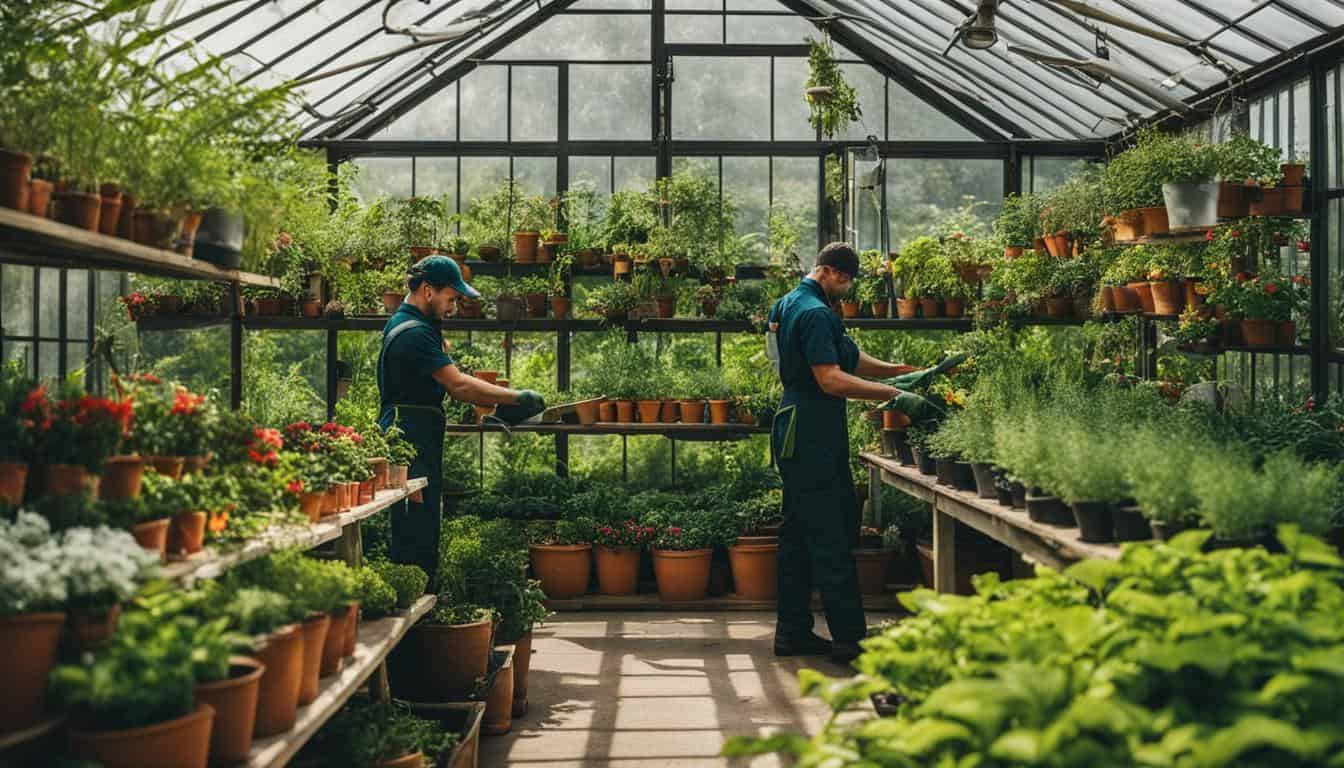
Are you someone with a natural affinity for plant growing and gardening skills? Have you ever considered turning your green thumb into a full-fledged career path in horticulture? As the world continues to seek sustainable solutions and prioritizes environmental beautification, horticulture careers offer a wealth of opportunities in an exciting and diverse field. In this article, we’ll dive deep into the expansive world of horticulture and explore how your passion for plants and garden management can pave the way for a fulfilling professional journey.
Key Takeaways
- Horticulture encompasses a broad range of practices, including plant cultivation, garden management, and environmental sustainability.
- Horticulture careers offer a diverse and exciting opportunity for those passionate about plants and garden management.
- Several educational pathways, from certificate programs to advanced degrees, are available to guide you in your horticulture career journey.
- Horticulture is a growing industry that offers job security, growth opportunities, and a positive impact on the environment and community.
- Continued advancement and education in the field of horticulture are essential for success and staying up-to-date with the latest practices and innovations.
- Professional organizations and networking opportunities can help build a strong foundation for career growth in horticulture.
- Emerging trends and technological advancements in horticulture, such as sustainable practices and smart gardening, are shaping the future of the industry.
Discovering the Roots: What is Horticulture?
For those with an inherent love for plants and an inclination towards greener spaces, understanding the true meaning and diverse scope of horticulture is essential. In its essence, horticulture can be defined as the art and science of cultivating and managing plants, including fruits, vegetables, flowers, and ornamental trees. With a spectrum of practices aimed at plant care, breeding, landscape restoration, and more, horticulture showcases an extensive scope and plays a significant part in shaping the world around us.
Defining Horticulture and Its Scope
Although the overall definition of horticulture is centered on plant cultivation, its scope extends far beyond that. With varied branches dedicated to diverse plant life domains, horticulture encompasses fields like:
- Arboriculture: Care and management of trees, particularly in urban areas
- Floriculture: Cultivation of flowering and ornamental plants
- Landscape horticulture: Design, construction, and maintenance of gardens, parks, and other green spaces
- Pomology: Growing and optimizing fruit crops
- Olericulture: Focusing on the production of vegetables
With each of these specialized fields, horticulture contributes significantly to various aspects of human life, ranging from food production to ecological balance.
The Importance of Horticulture in Today’s World
In our increasingly urbanized and fast-paced world, the importance of horticulture cannot be overstated. Some of the critical benefits of horticulture include:
- Food security: With the world’s population continually growing, horticulture plays a crucial role in food production, ensuring access to a diverse and healthy diet for communities across the globe.
- Sustainable gardening: Horticulture enables the adoption of sustainable practices, including pest management, soil conservation, and water management, which contribute to a healthier environment for both humans and wildlife.
- Urban greening: Horticultural practices can help counteract the detrimental impacts of urbanization by creating and maintaining green spaces within cities, contributing to the overall well-being and quality of life.
- Ecological benefits: Well-maintained gardens and landscapes can enhance local biodiversity, encourage pollination, and even help mitigate climate change by sequestering carbon dioxide and reducing urban heat island effects.
- Mental well-being: Gardens and natural spaces possess therapeutic qualities that can alleviate stress and promote overall mental health, nurturing our innate connection to nature.
By understanding the rich scope of horticulture and its vital role in today’s world, we can appreciate the array of opportunities available to those who are passionate about creating and sustaining vibrant natural environments.
The Blossoming Path: Educational Pathways in Horticulture
The world of horticulture education offers a diverse range of pathways, catering to individuals with varying interests and career goals. From certificate programs to horticultural degrees, there is something for everyone who seeks to turn their green thumb into a fulfilling profession. In this industry, both theoretical knowledge and practical experience play a crucial role in success.
The foundation of horticulture education can be acquired through hands-on training programs like the General Landscape and Garden Skills Program. This comprehensive program covers various aspects of horticulture, including:
- Plant identification and propagation
- Soil management and fertilization
- Pest and disease control
- Irrigation and water conservation
- Principles of landscape design

Moving beyond the foundational knowledge, higher levels of horticulture education open doors to specialized fields and more advanced knowledge. Institutions such as the Royal Horticultural Society in the United Kingdom and the Cornell University College of Agriculture and Life Sciences in the United States offer specialized plant science programs that delve into specific areas of horticulture, enabling students to focus on their interests and expertise.
For those seeking a thorough understanding of the discipline, a Bachelor’s or Master’s degree in horticulture provides a comprehensive education encompassing a wide range of subjects:
- Horticultural Botany and Plant Physiology
- Soil Science and Plant Nutrition
- Plant Breeding and Genetics
- Horticultural Crop Production
- Environmental Sustainability in Horticulture
- Integrated Pest Management
- Postharvest Physiology and Technology
- Business Management and Marketing
As the field of horticulture continuously evolves, it also offers various opportunities for continuing horticulture education. Industry professionals may attend seminars, workshops, and conferences to stay updated with the latest trends and advancements in the field. Additionally, online courses and certifications, such as those offered by the American Horticultural Society, cater to those who prefer flexibility and self-paced learning.
In conclusion, the educational pathways in horticulture are as diverse and rich as the field itself. No matter your level of interest or desired career trajectory, there is an educational opportunity to help you succeed in this blooming industry.
Digging Deeper: Specializations Within Horticulture
As the horticulture field grows and evolves, numerous specializations have emerged to address the diverse needs of our changing world. Let’s explore some of the most popular horticultural specializations that can redefine your career trajectory.
Landscape Architecture and Design
Landscape architecture and garden design focus on creating aesthetically pleasing and functional outdoor spaces. This specialization integrates environmental sustainability, promotes ecosystem health, and employs innovative techniques from native plantings to stormwater management. Experts in this field help design residential gardens, public parks, and commercial landscapes that enhance community well-being and ecological resilience.
Plant Breeding and Genetics
Another vital horticultural specialization is plant breeding and horticulture genetics, which involves developing new plant varieties through cutting-edge techniques, such as genetic manipulation, hybridization, and gene editing. The primary goal of these specialists is to enhance crop yield, confer pest resistance, and improve environmental adaptability to secure global food supply and foster sustainable agriculture.
Urban Agriculture and Greenhouse Management
Urban agriculture and greenhouse management address the unique challenges of growing plants in city settings. These specializations optimize space and resources, allowing the cultivation of food and ornamental plants within urban environments. In doing so, specialists contribute to sustainable food production, city farming, and environmental well-being in densely populated areas.
| Specialization | Description | Benefits |
|---|---|---|
| Landscape Architecture and Design | Designing aesthetically pleasing and functional outdoor spaces with an emphasis on environmental sustainability and ecosystem health. | Enhances community well-being and ecological resilience. |
| Plant Breeding and Genetics | Developing new plant varieties through genetic manipulation, hybridization, and gene editing for improved crop yield, pest resistance, and environmental adaptability. | Ensures global food security and promotes sustainable agriculture. |
| Urban Agriculture and Greenhouse Management | Optimizing space and resources for food and ornamental plant cultivation in urban environments. | Supports sustainable food production, city farming, and improved environmental well-being in densely populated areas. |
As a budding horticulturist, you can choose from these fascinating specializations to harness your passion for plants, sustainability, and the environment. Each pathway offers its own unique rewards and challenges, ensuring a fulfilling and impactful career in the dynamic world of horticulture.
Nurturing Growth: Starting Your Horticulture Career
Embarking on a horticulture career can be an exciting and fulfilling journey for those passionate about plants and the environment. Many individuals start with hands-on garden work, gaining practical experience and valuable skills that pave the way for advancement. As you progress, you may find yourself drawn to specialized roles in landscaping, plant health care, or even managerial positions, all of which provide an opportunity for creative expression and intellectual challenges.
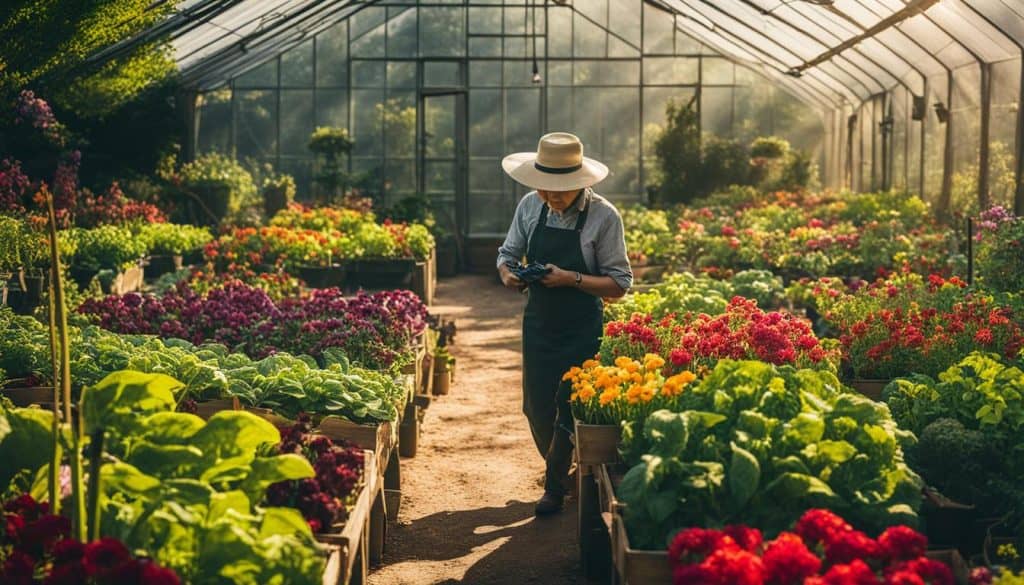
When starting a horticulture career, it’s essential to acquire both education and on-the-job experience. Pursuing a formal education in horticulture – whether through a certificate program or a degree – equips you with a solid foundation of theoretical knowledge. This expertise, combined with hands-on experience, will make you an attractive candidate for green jobs and gardening employment.
- Volunteer at local gardens, nurseries, or botanical gardens to gain practical experience and build valuable connections in the industry.
- Work in entry-level positions at garden centers, landscaping companies, or other horticulture-based businesses to develop your practical skills.
- Pursue continuing education in horticulture through workshops, seminars, and online courses to stay updated with the latest practices and innovations.
- Join professional organizations to network with fellow horticulturists, seek mentorship, and discover job opportunities.
The opportunities within a horticulture career are both diverse and rewarding, offering a sense of accomplishment that stems from the nurturing of plant life and the beautification of outdoor spaces. As you progress in your career, you’ll likely encounter increasingly specialized roles and responsibilities which afford the possibility for professional growth, personal achievement, and the ability to positively impact the world through the green industry.
The Daily Sprout: A Day in the Life of a Horticulturist
A day in the life of a horticulturist is dynamic and engaging, with numerous daily tasks and responsibilities that showcase the joys and challenges of nurturing plants. In this role, flexibility and adaptability are essential as you work to maintain the health and vitality of your gardens across a range of settings.

Roles and Responsibilities
While every horticulturist has their unique set of daily tasks, most share a core group of roles to ensure optimal plant care. These tasks can vary widely, but ultimately they all contribute to the overall health and beauty of plants, whether in a greenhouse or a public park. Some of the most common roles and responsibilities include:
- Planning and designing gardens, considering factors such as light, soil type, and local climate
- Executing garden maintenance routines, including watering, pruning, weeding, and mulching
- Ensuring proper soil preparation, from tilling to amending, which is crucial for healthy root systems
- Plant propagation through methods like seeds, cuttings, and division, nurturing new life
- Identifying and managing plant pests and diseases, minimizing damage through integrated pest management strategies
Beyond these core responsibilities, horticulturists may also be involved in other aspects of plant care, such as:
- Researching and implementing the latest horticultural techniques to enhance plant growth and resilience
- Communicating with clients or stakeholders to address concerns or provide progress updates
- Collaborating with colleagues to execute large-scale projects, ensuring success through teamwork and coordination
| Task Category | Examples |
|---|---|
| Design and Planning | Creating garden layouts, selecting appropriate plants, coordinating plant colors and textures |
| Maintenance | Pruning trees and shrubs, mowing lawns, fertilizing plants, monitoring irrigation systems |
| Propagation and Cultivation | Sowing seeds, taking cuttings, transplanting seedlings, grafting plants |
| Pest and Disease Management | Identifying pests, applying organic or chemical treatments, implementing preventative measures |
| Additional Responsibilities | Conducting research, liaising with clients, training new staff, managing budgets |
Ultimately, the daily life of a horticulturist is filled with varied tasks that showcase the multifaceted and rewarding nature of this profession. By embracing the diverse aspects of plant care, horticulturists play a vital role in creating and maintaining beautiful, thriving landscapes that delight and inspire.
Pruning Your Skills: Advancements and Continuing Education in Horticulture
As the field of horticulture continues to evolve with new techniques, sustainability practices, and technological innovations, it is crucial for professionals to stay updated on the latest industry advancements. In this ever-changing landscape, pursuing horticulture education advancement and continuing education ensures that your skills remain relevant and your career progresses smoothly.

Continuing education opportunities in horticulture can take various formats, ranging from specialized workshops and conferences to industry certifications and advanced degree programs. These learning avenues are designed to support skill enhancement, allowing professionals to constantly grow and expand their expertise in nurturing plant life.
Continuing Education Formats
Popular avenues for horticulture professionals pursuing continuing education include:
- Workshops and short courses: Focused on specific topics such as pest management, soil fertility, or propagation techniques, these events offer hands-on learning experiences and are often led by industry experts.
- Conferences: Horticulture conferences allow you to network with your peers, learn from influential professionals, and stay up-to-date with the latest industry trends and research.
- Industry certifications: Horticulture certifications, such as the Certified Horticulturist (CH) credential or the Landscape Industry Certified (LIC) designation, demonstrate your commitment to education and expertise in your field.
- Advanced degree programs: Pursuing a master’s or doctoral degree in your area of specialization can propel your career to new heights and offer opportunities for research and collaboration with like-minded professionals.
Whichever format you choose, horticulture continuing education ensures that your skills remain sharp and industry-focused.
Benefits of Continuing Education
Investing in horticulture education advancement results in myriad benefits:
- Career growth: As you advance your education and skillset, new job opportunities and career paths may open up, paving the way for career advancement.
- Increased credibility: Employers often view horticulture professionals who pursue continuing education as more credible and competent, enhancing your reputation within the industry.
- Networking opportunities: Attending workshops, conferences, and courses allows you to connect with like-minded individuals, fostering collaboration and innovation.
- Staying updated: Keeping pace with the latest developments in technology, sustainability, and horticultural techniques ensures your work remains relevant and effective.
| Continuing Education Format | Benefits |
|---|---|
| Workshops and short courses | Hands-on learning experiences, topic-focused skill development |
| Conferences | Networking, exposure to the latest industry trends and research |
| Industry certifications | Demonstration of expertise, increased credibility with employers |
| Advanced degree programs | Career advancement, research opportunities, collaboration potential |
In conclusion, embracing horticulture education advancement and continuing education is paramount for professionals striving to excel in this dynamic field. As you nurture your skillset and broaden your knowledge, you’ll fortify your career prospects and ensure a lasting success in the evolving world of horticulture.
From Seed to Success: Stories of Horticulture Professionals
Let’s delve into the inspiring stories of two horticulture professionals who have turned their love for plants into thriving careers.
Jess Evans, a productive urban garden designer and plant enthusiast, discovered her passion for horticulture at an early age when she cultivated her first vegetable patch with her father. Equipped with hands-on gardening experience along with formal education in horticulture and plant sciences, Jess embarked on her entrepreneurial journey by establishing her own urban landscape design company. Today, her business boasts numerous successful projects, ranging from residential rooftops and balconies to community gardens and urban farms.
On the other side of the industry spectrum, Marc Jones has excelled in plant breeding and genetics. As a renowned plant scientist and breeder, Marc has been instrumental in the development of several patented plant varieties. Specializing in the field of sustainable floriculture, he is dedicated to breeding innovative perennial plants, vegetables, and fruits that are resistant to pests, diseases, and climate challenges. Marc’s passion and expertise have led him to positions with prestigious organizations in the industry, including the International Plant Research Institute.
These two horticulture success stories demonstrate the potential for fulfilling professional journeys rooted in passion for plant cultivation.
- Jess Evans: Urban Garden Designer and Entrepreneur
- Early love for gardening
- Formal education in horticulture and plant sciences
- Established urban landscape design company
- Residential and community projects
- Expertise in plant breeding and genetics
- Worked with International Plant Research Institute
- Patented plant varieties
- Focused on developing sustainable floriculture practices
These industry experiences offer glimpses into the diversity of careers available in horticulture, highlighting the various paths that can be pursued by individuals who are equally passionate about nurturing plants, designing urban landscapes, and solving complex challenges through innovative plant breeding.
Blooming Locally: The Impact of Horticulture on Community and Environment
Engaging in horticulture makes a greatly positive impact at the local level. From urban greening projects to educational initiatives, and the promotion of sustainable practices, horticulture fosters environmental stewardship and strengthens communities.
| Community Aspect | Environmental Impact |
|---|---|
| Urban Greening Projects | Improved air quality and reduction of heat island effect |
| Educational Initiatives | Increased awareness and adoption of sustainable practices |
| Local Gardening | Preservation of local biodiversity and support for pollinators |
Urban greening projects, such as the transformation of underused city spaces into lush gardens and parks, can significantly improve societal well-being. These green spaces serve as a refuge for city dwellers, promoting mental health and encouraging community interaction.
In terms of the environment, horticulture has been indispensable in promoting ecological balance. The expansion of local gardening encourages the use of native plants, which cater to region-specific pollinators and wildlife. This creates habitats that are essential for maintaining the health of local ecosystems.
- Native plant gardening: Incentivizes the cultivation of plants indigenous to the area, helping to reduce water consumption and support local pollinator populations.
- Organic gardening: Encourages the exclusion of synthetic chemicals, fostering a more natural and biodiverse environment.
- Permaculture principles: Focus on creating self-sustaining garden systems that prioritize the conservation of resources and the creation of healthy ecosystems.
Horticulture professionals serve as vital assets to their communities, guiding individuals and organizations alike on how to create and maintain flourishing gardens that cater to both aesthetic preferences and ecological needs. Through the implementation of sustainable practices, horticulturists contribute to our planet’s health and offer long-term benefits for future generations.
Weathering Economic Climates: Job Security and Growth in Horticulture
Despite fluctuations in the global economy, horticulture careers offer considerable job security because of the essential nature of the work. This dynamic field includes food production, environmental management, and ornamental gardening, all crucial components contributing to the overall welfare of society.
The industry is expected to experience steady growth, providing stable career opportunities for aspiring horticulturists. A contributing factor is the global demand for sustainability, leading to an increased need for professionals with expertise in ecologically-friendly farming methods and urban greening initiatives.
Let’s explore some critical trends that will shape the future of horticulture from an economic perspective:
- Increasing focus on sustainability and eco-friendly practices
- Rising global demand for food and efficient production methods
- Emergence of urban agriculture as a viable source of employment
- Technological advancements shaping the horticultural landscape
- Greater emphasis on mental health benefits of green spaces
These factors underscore the economic resilience of the horticulture industry. In turn, there is potential for expanded employment and entrepreneurial opportunities, drawing upon diversified skill sets and areas of expertise.
| Occupation | Education Requirement | Median Annual Salary (2020) | Job Growth Rate (2020-2030) |
|---|---|---|---|
| Horticulture Technician | Associate Degree | $40,700 | 9% |
| Greenhouse Manager | Bachelor’s Degree | $49,140 | 6% |
| Landscape Architect | Bachelor’s or Master’s Degree | $70,630 | 5% |
| Urban Farmer | Associate or Bachelor’s Degree | $32,950 | 9% |
Keep these emerging trends and economic factors in mind when planning your horticulture career path. With a solid grasp on industry dynamics, you can maintain a better sense of job security, capitalize on growth opportunities, and cultivate a fulfilling career in the green industry.
The Green Landscape: Salaries and Earnings in Horticulture Careers
Professionals entering the rewarding world of horticulture careers often wonder about the earning potential and salary prospects in this green industry. As with any profession, horticulture salaries can vary widely depending on the role, experience level, and specialization.
While entry-level positions may have modest salaries, individuals with advanced skills and extensive experience often enjoy generous compensation packages. This reflects the valuable contributions horticulturists make to society, promoting sustainability and enhancing human well-being through their work.
In order to provide insights into the earning potential across different horticulture roles, let’s explore a table detailing the average wages for common positions within the industry:
| Role | Average Salary |
|---|---|
| Garden Center Worker | $25,000 – $35,000 |
| Landscape Designer | $40,000 – $60,000 |
| Horticulture Technician | $30,000 – $45,000 |
| Arborist | $35,000 – $60,000 |
| Greenhouse Manager | $45,000 – $75,000 |
| Horticulture Scientist | $50,000 – $90,000 |
| Horticulture Educator | $40,000 – $60,000 |
It’s important to note that these figures are for illustrative purposes and can differ depending on factors such as location, education level, and company size. As you gain more experience and develop new skills, your earning potential will generally increase.
To enhance your income in the long run, consider investing in your education by pursuing specialized certifications and staying updated with the latest industry advancements. Networking and joining professional organizations can also boost your career opportunities, allowing you to negotiate higher wages and better job offers.
In conclusion, while starting salaries in horticulture might not be as high as in some other fields, the potential for career growth and fulfilling work make it an attractive option for those passionate about plants and the environment.
Cultivating Connections: Networking and Professional Organizations
In the horticulture industry, networking and professional organizations are essential for career advancement. Building connections with others in the field provides valuable support, facilitates knowledge-sharing, and opens up opportunities for collaboration and growth. Your professional network can be a source of inspiration, motivation, and even help you to find new job opportunities.
Several professional organizations cater specifically to those working in the horticulture industry. Joining these organizations can help you stay up-to-date with the latest trends, research, and innovations, while also providing an opportunity to connect with like-minded individuals who share your passion for plants and the environment.
Here are some renowned professional organizations dedicated to supporting horticulturists:
- American Horticultural Society (AHS)
- National Association of Landscape Professionals (NALP)
- International Society for Horticultural Science (ISHS)
- Perennial Plant Association (PPA)
Beyond the national and international organizations, don’t forget to explore regional and local horticulture associations. These groups can provide a more intimate connection to professionals in your area, fostering the development of industry partnerships and collaborations.
Attending events such as conferences, workshops, and trade shows is another way to grow your horticulture network. It’s essential to engage actively at these events, participating in discussions, exchanging contact information, and making an effort to follow up with new acquaintances. As a result of this proactive approach to horticulture networking, you can build a robust professional community and open up numerous possibilities for your career.
Growing Opportunities: Emerging Trends in Horticulture
In recent years, the field of horticulture has seen a surge in sustainable horticulture practices and environmental innovations, which prioritize the health of our planet and its ecosystems. By employing eco-friendly gardening methods and harnessing the power of horticulture technology, professionals in this industry are making strides towards a greener future.
Innovations in Sustainable Practices
Several strategies have emerged as game-changers in the realm of sustainable horticulture. The growing interest in organic gardening is not only beneficial for the environment but also results in healthier and tastier produce. Another crucial aspect is water conservation, with innovative techniques like drip irrigation and rainwater harvesting contributing to more efficient and eco-friendly gardening.
Moreover, the integration of biodiversity in gardening and landscaping designs not only enhances the beauty of urban spaces but also creates supportive ecosystems for native flora and fauna. By incorporating these principles, horticulturists are playing a vital role in shaping a more sustainable future.
Technology in Horticulture: Bridging the Gap
As technology continues to evolve and impact various sectors, horticulture stands to benefit through tech advancements that streamline processes and enhance environmental conservation. Smart gardening tools and techniques have introduced revolutionary solutions in the industry, transforming conventional horticulture practices.
- Smart sensors: These devices monitor various aspects of the growing environment, such as soil moisture, humidity, and sunlight. By providing real-time data, they help horticulturists make informed decisions on plant care and water usage.
- Drones: Drones are now being used to survey and map large areas of land, capturing data on plant health, and crop density. This advanced aerial imaging can assist with early detection of plant stress, pest management, and yield predictions.
- Data analytics: Leveraging the power of data, horticulturists can better understand trends and patterns in plant growth, making adjustments to optimize resources and reduce waste. This approach is particularly useful in greenhouse management and precision farming.
Together, these innovations are shaping the future of horticulture by making it more sustainable, productive, and eco-friendly. By embracing these emerging trends, horticulture professionals will have the opportunity to make significant contributions to both their industry and the environment.
Embracing a Green Future: Horticulture Career Opportunities
As we have explored the fascinating world of horticulture careers, it’s clear that immense opportunities abound for those passionate about plants and the environment. A career in this thriving green industry offers not only financial stability but also a strong connection to nature and its nurturing powers. Through education, specialization, and experience, one can transform their love for gardening and natural spaces into a fulfilling, lifelong profession.
From landscape architecture and design to plant breeding and genetics, urban agriculture, and greenhouse management, the scope of horticulture is vast and ever-evolving. As we continue to uncover new insights in sustainable practices and technological advancements, professionals in the field play a critical role in fostering healthier ecosystems, promoting environmental stewardship, and enhancing overall well-being for individuals and communities alike.
Ultimately, embarking on a horticulture career path signifies a commitment to cultivating a brighter, greener future. It’s a heartening reminder of the power of human ingenuity, coupled with a deep understanding of our natural world, to create lasting impacts across the globe. No matter which specialization intrigues you, a career in horticulture offers an exciting, fulfilling journey for those eager to channel their passion for plants and the environment into a gratifying profession.
FAQ
What is horticulture and its scope?
Horticulture is the art and science of cultivating plants, including fruits, vegetables, flowers, and ornamental trees, encompassing a wide range of plant care, breeding, and landscape restoration practices.
What are some educational pathways in horticulture?
There are various educational pathways in horticulture, ranging from certificate programs to advanced degrees and specialized trainings, such as the General Landscape and Garden Skills Program.
What are some specializations within horticulture?
Specializations within horticulture include landscape architecture and design, plant breeding and genetics, and urban agriculture and greenhouse management.
How do I start a career in horticulture?
Starting a career in horticulture may begin with hands-on garden work, progressing to specialized roles in landscaping, plant health care, or even managerial positions.
What does a day in the life of a horticulturist look like?
A day in the life of a horticulturist varies widely and may include planning garden designs, executing maintenance routines, plant propagation, and pest management.
How can I advance my horticulture career?
Advancements and continuing education in horticulture emphasize staying updated with the latest industry techniques, sustainability practices, and technological innovations to support career growth and expertise in nurturing plant life.
Are there job security and growth opportunities in horticulture?
Yes, horticulture careers offer considerable job security due to the essential nature of the work, including food production, environmental management, and ornamental gardening. The industry is expected to grow, offering stable career opportunities even in fluctuating economies.
What are the salaries and earnings for horticulture careers?
Salaries in horticulture careers vary depending on the role, experience level, and specialization, with generous compensation often awarded to those with advanced skills and extensive experience.
What are some emerging trends in horticulture?
Emerging trends in horticulture include innovations in sustainable practices such as organic gardening, water conservation, and integration of biodiversity, as well as technological advancements like smart sensors, drones, and data analytics.