
Coconut fiber, also known as coco coir, is a natural and sustainable solution that can unlock the growth potential of your plants. Made from the fiber extracted from coconut shells, coconut fiber has gained popularity as a growing medium for both hydroponic and soil growers.
- Coconut fiber, or coco coir, is a popular growing medium for plants.
- It retains water well, allows for good aeration, and has a pH-neutral value.
- Coco coir minimizes pathogens and pests, making plant maintenance easier.
- It is an environmentally conscious and reusable medium.
- Supplementing specific nutrients may be necessary for optimal plant growth with coco coir.
What is Coconut Fiber?
Coconut fiber, or coco coir, is a versatile growing medium made from the fibrous material found in coconut shells. This natural byproduct is processed into coco coir, which is widely used by hydroponic and soil growers to enhance plant growth. Coco coir offers numerous benefits for plants and provides an eco-friendly alternative to traditional growing mediums.
One of the key advantages of coco coir is its excellent water retention properties. It has the ability to retain moisture while still allowing for proper drainage, preventing plants from becoming waterlogged. This helps to maintain optimal root health and prevents the risk of root rot.
Coco coir also provides good aeration for plant roots, promoting strong and healthy growth. It has a pH-neutral value, which means it does not significantly affect the pH levels of the growing medium. This makes coco coir suitable for a wide range of plant species, as it provides a stable growing environment.

Moreover, coco coir is known for its ability to minimize the presence of pathogens and pests. This makes it easier for growers to maintain a healthy crop without relying heavily on pesticides. Additionally, coco coir is reusable and sustainable, making it an environmentally conscious choice for plant cultivation.
Although coco coir offers many benefits, it is important to be aware of some potential drawbacks. Coco coir can have a high salt content, which may negatively impact plant growth if not properly managed. It is essential to supplement coco coir with specific nutrients to ensure proper calcium, magnesium, and iron levels for optimal plant health. Advanced Nutrients offers nutrient solutions specifically designed for coco coir growing, providing a convenient way to address these nutrient requirements.
Overall, coco coir has the potential to unlock plant growth and produce quick harvests and big yields.
Benefits of Coconut Fiber for Plants
There are several benefits to using coconut fiber for plants, making it a popular choice among both hydroponic and soil growers. Coconut fiber, also known as coco coir, is made from the fiber extracted from coconut shells. It has gained recognition for its ability to enhance plant growth and yield.
One of the key advantages of coconut fiber is its excellent water retention capability. Unlike traditional soil, coco coir retains moisture to ensure plants have a continuous water supply. This feature is especially beneficial in dry climates or for growers who have limited access to water. Additionally, coconut fiber provides proper aeration for the roots, allowing them to breathe and preventing waterlogging.
Moreover, coconut fiber has a pH-neutral value, ensuring the optimal balance for plant growth. This natural pH level reduces the need for extensive pH adjustments, making it easier to maintain a stable environment for plant roots. Additionally, coco coir minimizes the presence of pathogens and pests, reducing the risk of plant diseases and insect infestations.
Benefits of Coconut Fiber for Plants:
- Excellent water retention
- Proper aeration for root health
- Promotes balanced pH levels
- Reduces pathogens and pests
Furthermore, coconut fiber is an environmentally conscious choice. It is a renewable resource, as it is made from coconut shells that would otherwise be discarded. Additionally, coco coir is reusable, allowing growers to minimize waste and contribute to sustainable farming practices.
However, it is important to note that there are some drawbacks to using coconut fiber. Coco coir has the potential for high salt content, which can affect plant health if not properly managed. To address this, specific coco coir nutrients should be used to supplement calcium, magnesium, and iron levels. The nutrient balance and pH of the growing medium should be carefully monitored to ensure optimal plant growth.

Overall, coconut fiber offers numerous benefits for plant growth, making it a versatile and sustainable choice for growers. With its water retention, aeration, and pH neutrality, coco coir provides the ideal environment for plants to thrive. By managing nutrient balance and utilizing nutrient solutions designed for coco coir growing, growers can unlock the full potential of their crops and achieve quick harvests and big yields.
Environmental Benefits of Coconut Fiber
Coconut fiber is not only beneficial for plant growth but also for the environment, as it is a sustainable and reusable growing medium. Derived from the fibrous inner husk of coconuts, coconut fiber, also known as coco coir, is an organic and renewable resource. Unlike other growing mediums that require the extraction of finite resources, such as peat moss, coconut fiber can be harvested without harming coconut trees, making it an eco-friendly choice.
Furthermore, coconut fiber is highly reusable. After its initial use as a growing medium, it can be composted and used to enrich garden soil or added to compost piles. This not only reduces waste but also improves soil structure and fertility. Coconut coir compost is an excellent source of organic matter, providing essential nutrients to plants and promoting healthy microbial activity in the soil.
In addition to its sustainability and reusability, coconut fiber offers other environmental benefits. It requires fewer chemicals and pesticides compared to traditional soil-based gardening methods. Coco coir has natural antifungal properties that help to suppress harmful pathogens and pests, reducing the need for chemical treatments. This makes it a safe and environmentally friendly choice for gardeners looking to grow plants using more natural methods.
Table: Environmental Benefits of Coconut Fiber
| Benefits | Description |
|---|---|
| Renewable Resource | Derived from coconut husks without harming coconut trees. |
| Reusable | Can be composted and reused as a soil amendment. |
| Reduces Waste | Minimizes the need for disposal and contributes to sustainable gardening practices. |
| Chemical-Free | Requires fewer chemicals and pesticides due to its natural antifungal properties. |
Overall, coconut fiber offers numerous environmental benefits, making it an ideal choice for plant growth and sustainable gardening practices. Its renewable nature, reusability, and minimal impact on the environment make it a preferred option for eco-conscious gardeners and farmers alike.

While coconut fiber, also known as coco coir, has many advantages as a growing medium for plants, it is important to be aware of its potential drawbacks. Understanding these drawbacks can help growers make informed decisions and overcome any challenges that may arise.
One of the main concerns with coco coir is its potential for high salt content. Coconut fiber is naturally high in sodium and potassium, which can accumulate in the growing medium over time. If not managed properly, this can lead to nutrient imbalances and hinder plant growth. To mitigate this issue, it is recommended to flush the coco coir with fresh water before use and monitor the electrical conductivity (EC) levels regularly.
Another drawback of using coco coir is the need for specific coco coir nutrients to supplement calcium, magnesium, and iron levels. Unlike traditional soil, coco coir has a low cation exchange capacity (CEC), meaning it does not retain nutrients as effectively. Growers need to provide these essential nutrients to ensure healthy plant development. This can be achieved by using coco coir-specific nutrient solutions, like those provided by Advanced Nutrients, which are specially formulated to meet the unique requirements of coco coir growing.
| Drawbacks of Coconut Fiber for Plants | Recommendations |
|---|---|
| High salt content | Flush coco coir before use and monitor EC levels regularly. |
| Need for specific coco coir nutrients | Supplement calcium, magnesium, and iron levels with coco coir-specific nutrient solutions. |
Despite these potential drawbacks, coco coir can still be an excellent growing medium when managed properly. It offers numerous benefits, such as water retention, aeration, and pH neutrality. By understanding and addressing the challenges associated with coco coir, growers can unlock its full potential and achieve successful plant growth.

Managing Nutrient Balance with Coco Coir
To ensure optimal plant growth, it is crucial to manage the nutrient balance and pH levels when using coco coir as a growing medium. Coco coir, also known as coco fiber, is a popular choice for hydroponic and soil growers due to its numerous benefits for plant health. Made from the fiber extracted from coconut shells, coco coir retains water well, allowing plants to stay hydrated without becoming waterlogged. Its ability to hold moisture also reduces the frequency of watering, making it an efficient and sustainable option for plant cultivation.
One of the advantages of coco coir is its pH-neutral value, which provides a stable environment for plants. This allows for better nutrient absorption and prevents nutrient imbalances that can hinder growth. However, coco coir lacks certain essential nutrients like calcium, magnesium, and iron. Therefore, it is important to supplement these nutrients to ensure healthy plant development.

To address this, companies like Advanced Nutrients offer nutrient solutions specifically designed for coco coir growing. These solutions contain the necessary elements to maintain a balanced nutrient profile and promote optimal plant growth. By following the recommended feeding schedule and monitoring the pH levels, growers can maximize the benefits of coco coir and achieve robust and productive crops.
Managing Nutrient Balance with Coco Coir: Key Points
- Coco coir is a popular growing medium for hydroponic and soil growers.
- It retains water well and provides good aeration for root development.
- Managing the nutrient balance and pH levels is crucial for optimal plant growth.
- Supplementing specific nutrients, such as calcium, magnesium, and iron, is necessary.
- Advanced Nutrients offers nutrient solutions designed for coco coir growing.
To summarize, coco coir offers several benefits for plant growth, including water retention, aeration, and pH neutrality. However, it requires careful management of nutrient balance and pH levels to ensure optimal results. By supplementing the necessary nutrients and using specialized nutrient solutions, growers can harness the full potential of coco coir and achieve healthy and thriving plants.
| Advantages of Coco Coir | Disadvantages of Coco Coir |
|---|---|
| Retains water well | Potential for high salt content |
| Allows for good aeration | Requires specific nutrient supplementation |
| Has a pH-neutral value | |
| Minimizes pathogens and pests | |
| Environmentally conscious and reusable |
Supplementing Nutrients for Coco Coir
When using coco coir, it may be necessary to supplement certain nutrients like calcium, magnesium, and iron to support plant growth. Coco coir is an excellent growing medium, but it does not contain these essential nutrients in sufficient quantities. Supplementing these nutrients ensures that your plants have everything they need to thrive.
One effective way to provide the necessary nutrients is by using nutrient solutions specifically designed for coco coir growing, such as the ones offered by Advanced Nutrients. These solutions are formulated to meet the precise needs of plants grown in coco coir, providing the right balance of minerals and trace elements. They can help prevent common deficiencies and promote healthy plant growth.
It’s important to carefully follow the manufacturer’s instructions when using nutrient solutions. Start with a low concentration and gradually increase the dosage as your plants develop. Keep an eye on your plants’ overall health and adjust the nutrient supplementation accordingly. Remember that different plants have varying nutrient requirements, so it’s crucial to understand the specific needs of the plants you are growing.
| Nutrient | Recommended supplementation |
|---|---|
| Calcium | Use a calcium-rich supplement to ensure sufficient calcium levels in the growing medium. Calcium plays a vital role in cell growth and development. |
| Magnesium | Supplement with magnesium to prevent deficiencies. Magnesium is crucial for the production of chlorophyll and overall plant health. |
| Iron | Iron is essential for the synthesis of chlorophyll and other enzymes. Use an iron supplement to ensure optimal iron levels in the coco coir. |
By supplementing these key nutrients, you can maximize the potential of coco coir as a growing medium and promote robust plant growth. Remember to monitor your plants closely and make adjustments as necessary to achieve the best possible results.

Proper care and maintenance are important to ensure the best results when using coco coir for your plants. Coco coir, also known as coconut fiber, is a versatile and environmentally friendly growing medium that offers numerous benefits for plant growth. However, it does require some attention to ensure optimal performance.
One of the key aspects of caring for coco coir is managing nutrient balance and pH levels. Coco coir has a neutral pH, which is beneficial for most plants. However, it may not contain all the necessary nutrients for your plants. It is important to supplement specific coco coir nutrients, such as calcium, magnesium, and iron, to ensure your plants have everything they need for healthy growth.
Additionally, coco coir requires daily feeding and watering. While it retains water well, it is crucial not to overwater your plants. Coco coir has excellent drainage properties and retains oxygen, reducing the risk of root rot. To determine the right watering frequency, check the moisture level of the coco coir regularly and adjust accordingly.
| Key Tips for Caring for Coco Coir |
|---|
| Supplement specific nutrients to maintain a balanced nutrient profile. |
| Regularly check the moisture level and adjust watering accordingly. |
| Monitor pH levels to ensure optimal conditions for plant growth. |
| Inspect for any signs of pests or diseases and take appropriate action. |
Monitoring pH Levels
Monitoring the pH levels is crucial when using coco coir. Ideally, the pH range should be between 5.5 and 6.5 for most plants. Use a pH meter or test kit to regularly check the pH of your coco coir. If the pH deviates from the recommended range, you may need to adjust it by adding pH-up or pH-down solutions accordingly.
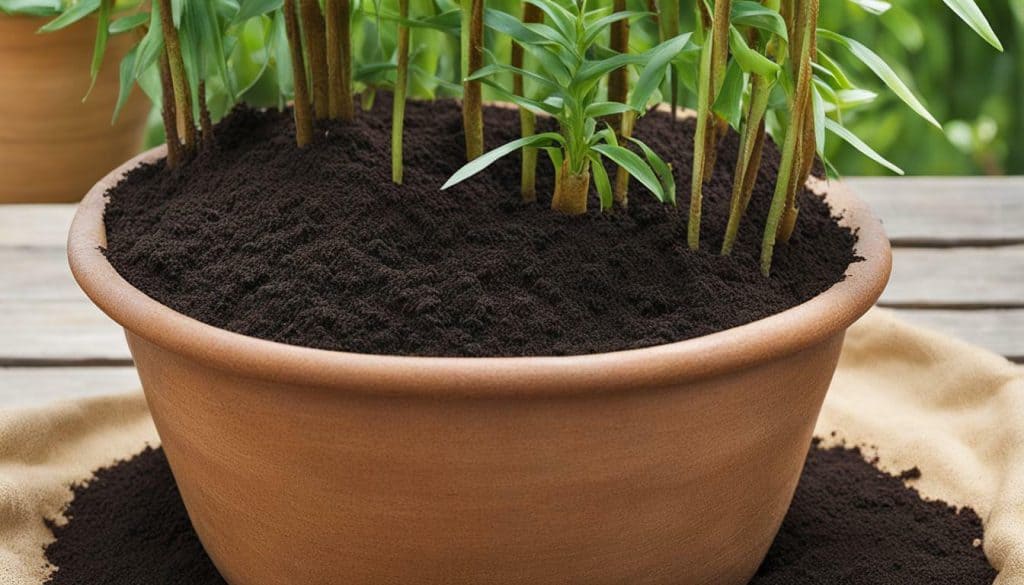
Regular inspection for pests and diseases is essential to maintain a healthy crop. Coco coir is known to be less prone to pests and pathogens compared to other growing mediums, but it’s still important to stay vigilant. Check for any signs of pests, such as webs, holes, or discolored leaves. If you notice any issues, promptly take appropriate action to prevent further damage.
By following these care and maintenance tips, you can maximize the benefits of using coco coir as a growing medium for your plants. With its water retention, aeration, and pH neutrality properties, coco coir has the potential to unlock plant growth and promote quick harvests and big yields.
Daily Feeding and Watering with Coco Coir
Coco coir requires daily feeding and watering to provide the necessary nutrients and moisture for healthy plant growth. This growing medium, made from coconut fiber, has gained popularity among gardeners and growers due to its numerous benefits. Not only does it retain water well, but it also allows for excellent aeration, ensuring that roots receive the oxygen they need. Additionally, coco coir has a pH-neutral value, making it suitable for a wide range of plants.
One of the advantages of using coco coir is its ability to minimize the presence of pathogens and pests, promoting a healthier crop. It is also an environmentally conscious choice, as coconut fiber is a sustainable and reusable resource. However, it is important to be aware of a few drawbacks when using coco coir. There is a potential for high salt content, which can be detrimental to plants if not properly managed. Additionally, coco coir lacks some essential nutrients, such as calcium, magnesium, and iron, which must be supplemented.
To ensure optimal results, it is crucial to manage the nutrient balance and pH levels when using coco coir. Advanced Nutrients offers nutrient solutions specifically designed for coco coir growing, providing the necessary elements to support plant growth. Incorporating these supplements into your feeding routine will help maintain a healthy and productive garden.
When using coco coir, daily feeding and watering are essential. However, unlike other growing mediums, coco coir has excellent water retention capabilities while still allowing for proper oxygenation. This makes it difficult to overwater and reduces the risk of root rot. By providing consistent nourishment and moisture, coco coir can unlock the full potential of your plants, leading to quick harvests and big yields.

| Advantages of Coco Coir: | Drawbacks of Coco Coir: |
|---|---|
|
|
Overall, coco coir is a versatile and effective growing medium that can enhance plant growth. By understanding its unique characteristics and providing the necessary care, you can harness the benefits of coconut fiber for healthy and thriving plants.
Coco Coir and Overwatering
Contrary to popular belief, coco coir has excellent water retention properties and is difficult to overwater due to its ability to retain oxygen. This makes it an ideal growing medium for plants, as it ensures that the roots receive the right amount of moisture while still having access to oxygen.
Coco coir acts like a sponge, holding onto water and releasing it slowly to the roots. This helps to prevent waterlogged soil, which can lead to root rot and other fungal diseases. Additionally, coco coir provides a well-draining environment, allowing excess water to flow through the medium and preventing the buildup of stagnant water.
When using coco coir, it’s important to water your plants correctly. The frequency of watering will depend on factors such as the size of the plants, the type of plants, and the environmental conditions. It’s best to monitor the moisture level by checking the top few inches of the coco coir. If it feels dry, it’s time to water. If it still feels moist, it’s best to wait before watering again. It’s important to strike a balance and avoid overwatering, as this can lead to root suffocation and other plant health issues.
| Benefits of Coco Coir for Overwatering | Drawbacks of Coco Coir for Overwatering |
|---|---|
|
|
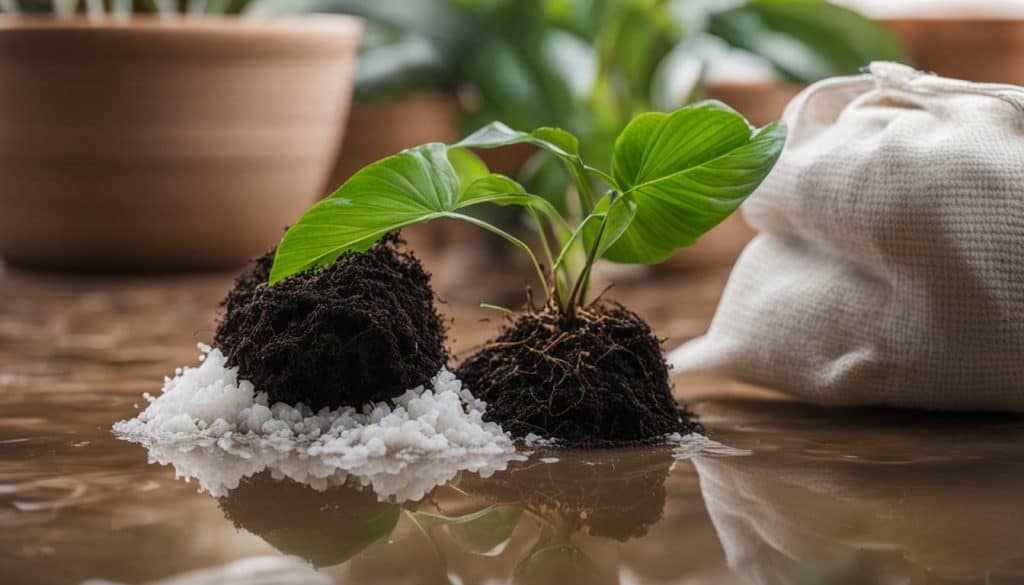
Overall, coco coir provides a balance between water retention and aeration, making it a versatile and effective growing medium. It is a great choice for both hydroponic and soil growers, offering numerous benefits to plant health and growth. By properly managing watering practices and ensuring proper nutrient supplementation, you can harness the full potential of coco coir and achieve optimal results in your garden.
Quick Harvests and Big Yields with Coco Coir
Using coco coir as a growing medium can lead to quick harvests and significant yields, making it a popular choice among growers. Coco coir, also known as coconut husk fiber, is a versatile and sustainable option for both hydroponic and soil-based cultivation. Derived from the fibers extracted from coconut shells, coco coir offers several advantages that contribute to robust plant growth.
One of the key benefits of coco coir is its ability to retain water while maintaining excellent aeration. This unique characteristic allows plants to have access to the moisture they need while also ensuring the roots receive sufficient oxygen. Additionally, coco coir has a pH-neutral value, which provides a stable and optimal environment for plant nutrient uptake.

Coco coir also helps minimize the presence of pathogens and pests, promoting a healthier crop. Furthermore, it is an environmentally conscious choice as it is a renewable resource and can be reused multiple times. The ability to reuse coco coir reduces waste and contributes to sustainable agricultural practices.
Despite the many benefits of using coco coir, there are some considerations to keep in mind. Coco coir may contain elevated levels of salt, which can impact plant health. It is important to flush coco coir with water before use to reduce salt content. Additionally, coco coir lacks certain essential nutrients such as calcium, magnesium, and iron. Supplementing these nutrients is crucial for maintaining proper plant development and growth.
Supplementing Nutrients for Coco Coir
To ensure optimal results when using coco coir, it is recommended to use nutrient solutions specifically designed for coco coir growing. Advanced Nutrients offers a range of high-quality nutrient solutions that provide the necessary elements for healthy plant growth in coco coir. These solutions help address any nutrient deficiencies and maintain a balanced nutrient profile, resulting in strong and productive plants.
In summary, coco coir is an excellent choice for growers seeking quick harvests and high yields. Its water retention, aeration properties, pH neutrality, and environmental sustainability make it a versatile and effective growing medium. By supplementing the necessary nutrients and managing the nutrient balance, growers can unlock the full potential of their crops with coco coir.
Nutrient Solutions for Coco Coir Growing
Advanced Nutrients offers nutrient solutions specifically formulated for coco coir growing, ensuring optimal nutrient uptake for your plants. Coco coir, also known as coconut fiber, has become a popular growing medium for both hydroponic and soil growers due to its numerous benefits. Made from the fiber extracted from coconut shells, coco coir retains water well, allowing for proper hydration of your plants. Its excellent water retention properties reduce the frequency of watering required, making it a convenient choice for busy gardeners.
Furthermore, coco coir provides good aeration to the plant roots, promoting healthy growth and preventing the risk of overwatering. Its pH-neutral value creates an ideal environment for nutrient absorption, ensuring your plants can effectively take up the essential elements they need for optimal development. Coco coir also has the added advantage of minimizing the presence of pathogens and pests, making it easier to maintain a thriving and disease-free crop.
It is important to maintain the right balance of nutrients and pH levels when using coco coir as a growing medium. This can be achieved by using nutrient solutions specifically designed for coco coir growing, such as those offered by Advanced Nutrients. These solutions are carefully formulated to provide the necessary calcium, magnesium, and iron levels that may be lacking in coco coir. By supplementing your plants with these nutrient solutions, you can ensure they receive the essential elements needed to thrive and produce optimal yields.
| Benefits of Nutrient Solutions for Coco Coir |
|---|
| 1. Provides essential nutrients for plant growth |
| 2. Balances nutrient levels for optimal uptake |
| 3. Addresses potential deficiencies in coco coir |
| 4. Promotes healthy root development |
| 5. Maximizes crop yields |

In conclusion, coco coir is a versatile and environmentally conscious growing medium that can unlock plant growth and produce quick harvests with big yields. By using nutrient solutions specifically formulated for coco coir growing, such as those offered by Advanced Nutrients, you can ensure your plants receive the essential nutrients they need to thrive in this medium. With its excellent water retention, aeration, and pH-neutral properties, coco coir provides an ideal environment for healthy plant growth. Invest in nutrient solutions to maximize the benefits of coco coir and achieve optimal results in your garden.
Coco Coir for Hydroponic and Soil Growers
Coco coir can be used effectively by both hydroponic and soil growers, providing a versatile and reliable medium for plant growth. Made from the fiber extracted from coconut shells, coco coir offers several advantages that make it a popular choice among growers.
One of the key benefits of coco coir is its ability to retain water well, ensuring that plants have access to moisture for longer periods. This can be especially beneficial in hydroponic systems where water and nutrient delivery need to be precisely controlled. Additionally, coco coir allows for good aeration, preventing soil compaction and promoting root health.
Another advantage of using coco coir is its pH-neutral value, which means it does not alter the pH of the growing medium. This is essential for maintaining optimal nutrient uptake by plants. Coco coir also possesses natural antifungal properties, minimizing the risk of pathogens and pests, and helping to maintain a healthy crop. Furthermore, coco coir is an environmentally conscious choice as it is a renewable resource and can be reused for multiple growing cycles.
| Advantages of Coco Coir for Plants | Drawbacks of Coco Coir for Plants |
|---|---|
|
|
When using coco coir, it is important to manage the nutrient balance and pH levels to ensure optimal plant growth. Advanced Nutrients offers nutrient solutions specifically designed for coco coir growing, providing the necessary calcium, magnesium, and iron levels required for healthy plant development.
Coco coir requires daily feeding and watering to provide plants with the necessary nutrients and moisture. However, due to its ability to retain oxygen, coco coir minimizes the risk of overwatering, ensuring that roots have access to an adequate oxygen supply. This makes it a forgiving medium for growers, especially those new to hydroponic or soil growing.

Using Coconut Fiber for Potting Mixes
Coconut fiber can be incorporated into potting mixes to improve soil structure and enhance the growth of potted plants. Also known as coco coir, this natural, sustainable material is derived from the fiber extracted from coconut shells. It has gained popularity among gardeners and horticulturists for its numerous benefits.
When added to potting mixes, coconut fiber acts as an excellent soil amendment, providing better water retention and aeration. This helps prevent overwatering and ensures that plants receive the right amount of moisture and oxygen. Coco coir is also pH-neutral, which means it won’t alter the acidity or alkalinity of the soil, allowing plants to thrive in their preferred growing conditions.
One of the key advantages of using coconut fiber in potting mixes is its ability to suppress pathogens and pests. Coco coir naturally contains compounds that inhibit the growth of harmful microbes, reducing the risk of plant diseases. Additionally, the fibrous structure of coconut fiber creates air pockets within the soil, promoting root development and preventing soil compaction.
Benefits of Using Coconut Fiber in Potting Mixes:
- Improved water retention and aeration
- pH-neutral, maintaining optimal soil conditions
- Pathogen and pest suppression
- Enhanced root development
- Environmentally sustainable and reusable
| Coconut Fiber | Traditional Potting Mix |
|---|---|
| Retains water efficiently | May cause waterlogging or drainage issues |
| Improves aeration for healthy root growth | May lead to compaction and poor root development |
| Neutral pH value, suitable for a wide range of plants | May have acidic or alkaline pH, limiting plant selection |
| Suppresses pathogens and pests naturally | May require chemical treatments for pest control |
When incorporating coconut fiber into potting mixes, it is recommended to mix it with other organic materials, such as compost or peat moss, to create a well-balanced medium. This ensures that the plants receive a sufficient amount of nutrients and maintain healthy growth. Following the proper care and maintenance guidelines for potting mixes with coconut fiber will help you achieve optimal results in your potted plants.
With its numerous benefits and versatility, coconut fiber has become a favored choice for gardeners and plant enthusiasts who want to improve the quality of their potting mixes. Whether you are growing ornamental plants or cultivating vegetables, incorporating coco coir into your potting mixes can unlock the potential for healthier, more vibrant plants.
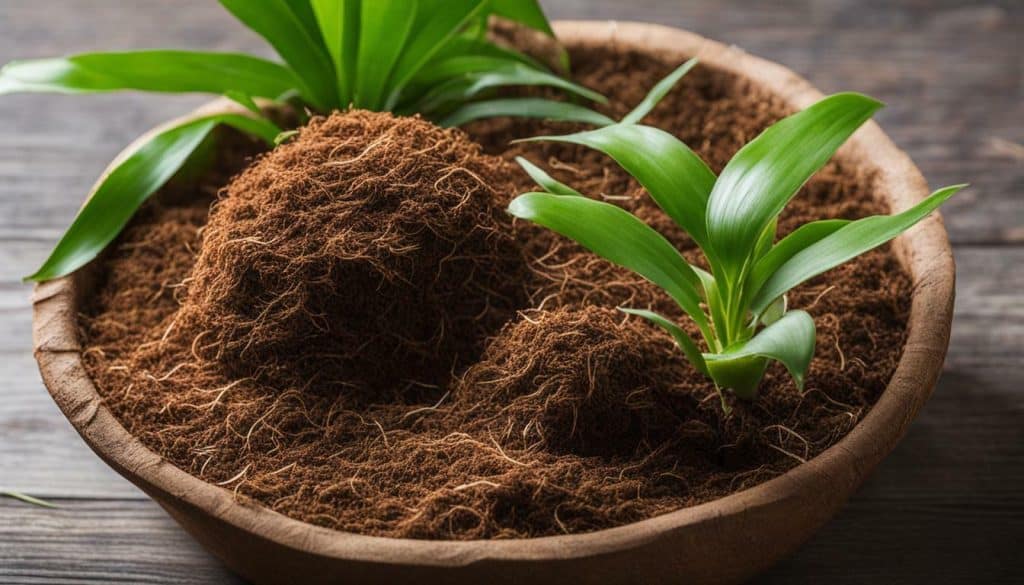
Coconut fiber, or coco coir, offers numerous benefits for plant growth and is a sustainable and environmentally friendly choice for growers. Made from the fiber extracted from coconut shells, coco coir has become a popular growing medium for both hydroponic and soil growers. Its unique properties make it an ideal alternative to traditional growing mediums.
One of the key advantages of coco coir is its excellent water retention ability. It can retain water well, ensuring that plants receive adequate hydration without becoming waterlogged. Additionally, coco coir provides good aeration to the roots, allowing for better nutrient absorption and preventing root rot.
Furthermore, coco coir is pH-neutral, which means it does not alter the pH levels of the soil or nutrient solution. This makes it easier to maintain the optimal pH range for plant growth. Coco coir also has the added benefit of minimizing pests and pathogens, creating a healthier environment for your crops.
While there are some drawbacks to consider, such as the potential for high salt content and the need for specific coco coir nutrients to supplement calcium, magnesium, and iron levels, these challenges can be easily managed with the right knowledge and expertise. Advanced Nutrients offers nutrient solutions specifically designed for coco coir growing, ensuring that your plants receive the necessary nutrients for optimal growth.
Coco coir requires regular feeding and watering, but its unique structure prevents overwatering and ensures adequate oxygen supply to the roots. With proper care and maintenance, coco coir has the potential to unlock plant growth, promote quick harvests, and yield bountiful crops.
So, whether you’re a hydroponic or soil grower, consider incorporating coconut fiber into your potting mixes or hydroponic systems. With its numerous benefits and eco-friendly nature, coco coir is an excellent choice for both beginner and experienced growers looking for a sustainable and effective growing medium.
FAQ
Q: What is coconut fiber?
A: Coconut fiber, also known as coco coir, is a growing medium made from the fiber extracted from coconut shells.
Q: What are the benefits of coconut fiber for plants?
A: Coconut fiber retains water well, allows for good aeration, and has a pH-neutral value, which promotes healthy plant growth. It also minimizes pathogens and pests.
Q: Is coconut fiber environmentally conscious and reusable?
A: Yes, coconut fiber is an environmentally conscious and reusable medium, making it a sustainable choice for growers.
Q: Are there any drawbacks to using coconut fiber?
A: Yes, some drawbacks of using coconut fiber include the potential for high salt content and the need for specific coco coir nutrients to supplement calcium, magnesium, and iron levels.
Q: How should nutrient balance be managed when using coco coir?
A: It is important to manage nutrient balance and pH levels when using coco coir as a growing medium to ensure optimal plant growth.
Q: How can nutrient supplementation be done for coco coir?
A: Specific nutrient solutions designed for coco coir growing, such as those provided by Advanced Nutrients, can be used to supplement the required nutrients for healthy plant growth.
Q: How should coco coir be cared for and maintained?
A: Coco coir requires daily feeding and watering, and it should be monitored to maintain proper moisture levels.
Q: Can coco coir be overwatered?
A: It is difficult to overwater coco coir due to its ability to retain oxygen, making it a forgiving medium for growers.
Q: Does coco coir promote quick harvests and big yields?
A: Yes, coco coir has the potential to unlock plant growth and produce quick harvests and big yields.
Q: Are there nutrient solutions specifically designed for coco coir growing?
A: Yes, nutrient solutions specifically designed for coco coir growing are available to provide the necessary nutrients for optimal plant growth.
Q: Can coconut fiber be used for hydroponic and soil growing?
A: Yes, coconut fiber can be used as a growing medium for both hydroponic and soil growers.
Q: How is coconut fiber used in potting mixes?
A: Coconut fiber can be incorporated into potting mixes to improve water retention, aeration, and overall soil health for potted plants.
Q: How should the article be summarized?
A: The article highlights the benefits of using coconut fiber for plant growth, its environmental sustainability, and the importance of managing nutrient balance and pH levels. Coco coir has the potential to promote quick harvests and high-yielding crops when used correctly.