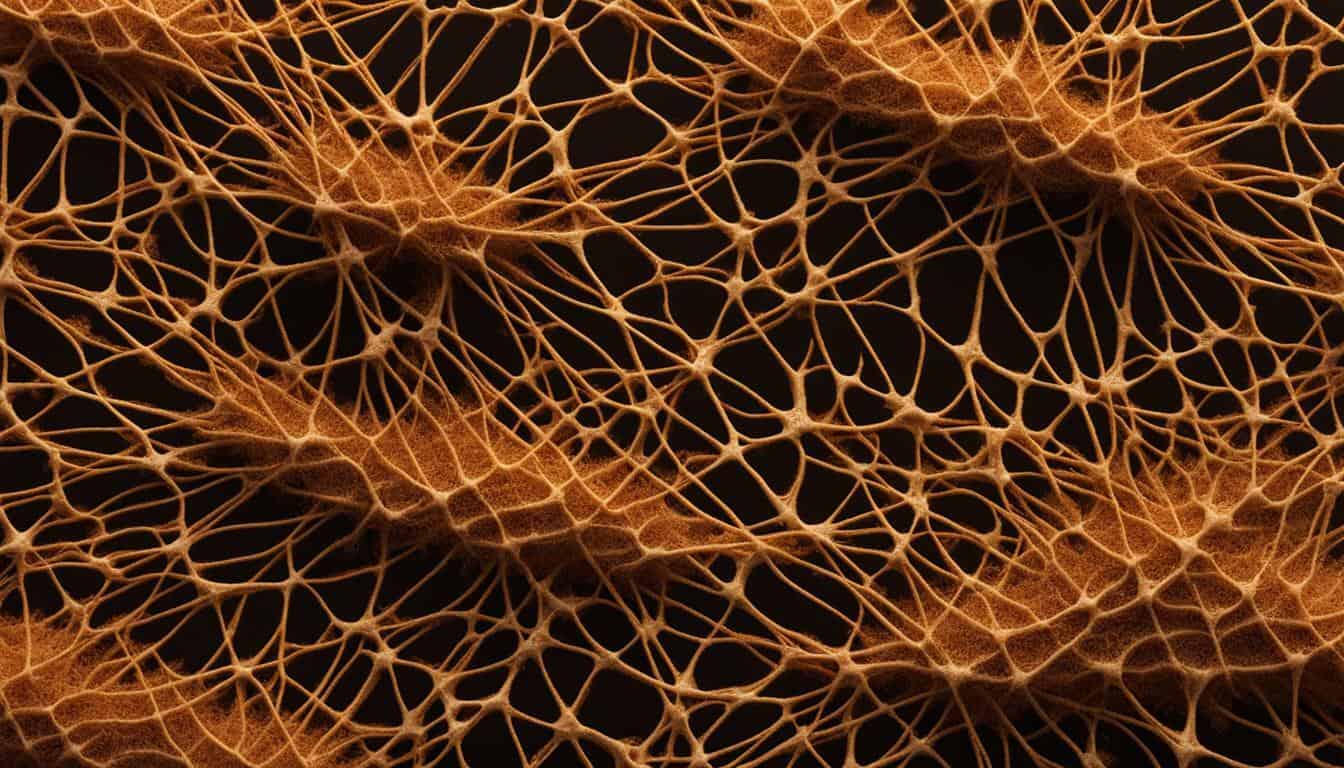
Coco coir is a growing medium known for its effective water retention properties, making it a popular choice among gardeners and horticulturists. This natural, organic material derived from coconut husks can hold water remarkably well, providing plants with the moisture they need for healthy growth. Understanding how coco coir retains water is essential for maximizing its benefits in your gardening endeavors.
When it comes to water retention, coco coir surpasses traditional soil in many ways. It has a high water holding capacity, meaning it can absorb and retain a significant amount of moisture. This is especially advantageous in arid or dry climates where water conservation is crucial.
The fibrous structure of coco coir allows it to retain water while also promoting excellent drainage, preventing waterlogging and root rot. This balance is vital for ensuring that plant roots have access to both hydration and oxygen, creating the optimal growing environment.
The unique properties of coco coir enable it to retain moisture for an extended period. This means that plants grown in coco coir require less frequent watering compared to those grown in traditional soil. The ability of coco coir to hold water effectively can save time and effort for gardeners, while still providing plants with the necessary hydration.
Furthermore, coco coir’s water retention capabilities contribute to the development of healthy roots. The consistent moisture provided by coco coir encourages robust root growth, resulting in stronger, more resilient plants. This is crucial for the overall health and productivity of your garden.
Key Takeaways:
- Coco coir is a growing medium with excellent water retention properties.
- It can absorb and retain a significant amount of moisture while promoting drainage.
- Coco coir reduces the frequency of watering compared to traditional soil.
- Its moisture retention benefits contribute to healthy root development.
- Using coco coir can save time and effort in maintaining plant hydration.
Understanding how coco coir retains water effectively is essential for harnessing its benefits in your gardening practices. With its superior water retention capabilities, coco coir provides plants with the moisture they need while promoting healthy root development. Incorporating coco coir into your gardening routine can save time, conserve water, and contribute to the overall success of your plants.
The Benefits of Coco Coir Water Retention
The ability of coco coir to retain water offers several benefits that contribute to healthier plant growth and development. Coco coir is a popular growing medium that provides plants with the necessary moisture they need to thrive. By retaining and draining water effectively, it reduces the frequency of watering required, making it an efficient choice for both indoor and outdoor gardening.
One of the key advantages of coco coir’s water retention properties is its ability to deliver nutrients to plants. The coir acts as a sponge, holding onto essential nutrients and releasing them to the roots as needed. This ensures that plants receive a consistent supply of water and nutrients, promoting robust growth and vibrant foliage.
Another benefit of coco coir water retention is that it promotes healthy root development. The moisture retained by the coir creates an optimal environment for roots to establish and expand. This leads to stronger, more robust root systems, which in turn enhances the overall health and resilience of the plant.
Coco coir’s water retention capabilities also play a role in deterring pests. By maintaining consistent moisture levels, it discourages the breeding and survival of certain pests, reducing the likelihood of infestations. This natural pest control method contributes to a healthier garden environment without the need for harmful chemicals.
Table 1: Comparison of Coco Coir and Soil
| Benefits | Coco Coir | Soil |
|---|---|---|
| Water Retention | High | Medium |
| Drainage | Good | Varies |
| pH and Nutrient Neutral | Yes | No |
| Root Development | Encourages | Varies |
| Pest Resistance | Effective | Varies |
Coco coir’s water retention properties also make it an eco-friendly choice. It is derived from the husks of coconuts, which would otherwise be considered waste material. Using coco coir as a water retainer helps reduce environmental impact by repurposing this natural resource. Additionally, coco coir is reusable, further minimizing waste and making it a sustainable option for gardeners.
When using coco coir, it is important to follow best practices. Mixing it with perlite helps improve drainage and prevent waterlogging. Providing the necessary nutrients through organic fertilizers or supplements ensures plants receive the required nutrition. Regularly watering, without allowing the coir to dry out completely, helps maintain optimal moisture levels for plant growth.
In conclusion, coco coir’s water retention capabilities offer numerous benefits for plant growth and development. From delivering nutrients and promoting healthy roots to deterring pests and supporting the environment, coco coir proves to be an effective and sustainable choice for gardeners. When properly used, it can contribute to thriving gardens and bountiful harvests.

Coco Coir’s Water Holding Capacity
Coco coir has an impressive water holding capacity, ensuring that plants have access to adequate moisture for extended periods. This natural fiber, derived from coconut husks, has exceptional water retention abilities, making it an ideal choice for gardeners and horticulturists.
When using coco coir as a growing medium, it acts as a sponge, absorbing and retaining water. The fibrous structure of coco coir enables it to retain up to 10 times its weight in water, providing a steady supply of moisture to plant roots. This water holding capacity not only reduces the frequency of watering but also helps to prevent water runoff, maximizing the efficiency of irrigation.
In addition to its water retention capabilities, coco coir also offers excellent drainage properties, allowing excess water to flow through the growing medium, preventing waterlogging and root rot. It strikes the perfect balance between retaining moisture and providing adequate aeration, creating an optimal environment for plant roots to flourish.
| Benefits of Coco Coir’s Water Holding Capacity | Key Points |
|---|---|
| Promotes healthy root development | The consistent moisture provided by coco coir encourages robust root growth, resulting in healthier and more productive plants. |
| Deters pests | The moisture retention properties of coco coir help to discourage pests that thrive in dry conditions, creating a less favorable environment for their survival. |
| Environmental benefits | Coco coir is an eco-friendly choice as it is a renewable resource and biodegradable, reducing the environmental impact compared to other growing mediums. |
To make the most of coco coir’s water holding capacity, it is crucial to follow certain best practices. Mixing coco coir with perlite or vermiculite enhances drainage while retaining moisture. Providing the necessary nutrients for plants is essential, as coco coir is nutrient-neutral. Regular watering is vital to keep the coco coir consistently moist, but avoid overwatering or allowing it to dry out completely.
It is important to note that the quality of coco coir can vary based on how it is harvested, prepared, and processed. Choosing a reputable brand, such as Urban Worm Coco Coir, ensures high-quality coco coir with reliable water retention properties.

The Versatility of Coco Coir
Coco coir is available in different forms, including fiber, pith, and chips. Each form has its advantages and suitability for specific cultivation needs. Fiber coco coir offers excellent water retention, making it ideal for seed starting or as a component in potting mixes. Pith coco coir, on the other hand, provides a well-balanced water holding capacity and is commonly used for hydroponic systems. Coco coir chips offer enhanced aeration and drainage, making them suitable for container gardening or as a mulching material.
In conclusion, coco coir’s water holding capacity is a key attribute that contributes to its effectiveness as a growing medium. By retaining water while providing adequate drainage, coco coir creates an optimal environment for healthy plant growth. Its versatility, eco-friendly nature, and reusability make it a popular choice among gardeners worldwide.
Coco Coir’s Role in Promoting Healthy Root Development
Coco coir acts as a water retainer, creating an optimal environment for root growth and development. Its ability to retain moisture helps to keep the roots consistently hydrated, ensuring they have access to the water they need to thrive. The fibrous structure of coco coir allows for excellent aeration, preventing waterlogging and the risk of root rot. This promotes the growth of healthy, robust roots that are essential for overall plant health and nutrient uptake.
When coco coir is used as a growing medium, it provides a stable and supportive structure for the roots to anchor themselves. This allows them to penetrate the coir easily, establishing a strong foundation for the plant. As the roots grow and spread, they can access the water held within the coir, absorbing it as needed. This not only supports their growth but also helps to prevent excessive water loss through evaporation.
In addition to its water retention properties, coco coir also contains natural plant hormones and beneficial microorganisms that contribute to root development. These hormones stimulate root growth, encouraging the roots to branch out and explore the surrounding medium for nutrients. The presence of microorganisms aids in the breakdown of organic matter, releasing essential nutrients that can be absorbed by the roots.
Table 1: Comparison of Coco Coir and Soil for Root Development
| Coco Coir | Soil | |
|---|---|---|
| Water Retention | High | Variable |
| Aeration | Excellent | Variable |
| Root Stability | Good | Good |
| Nutrient Availability | Requires supplementation | Often naturally rich |
Using coco coir as a water retainer not only promotes healthy root development but also offers several other benefits. Its pH and nutrient neutrality make it suitable for a wide range of plants, and its superior water retention capabilities reduce the frequency of watering. This not only saves time and effort but also helps conserve water resources.
Coco coir is eco-friendly and reusable, making it a sustainable choice for gardeners. Its production requires minimal resources and causes less environmental impact compared to other growing mediums. Additionally, coco coir can be reused multiple times, further reducing waste and supporting a greener approach to gardening.
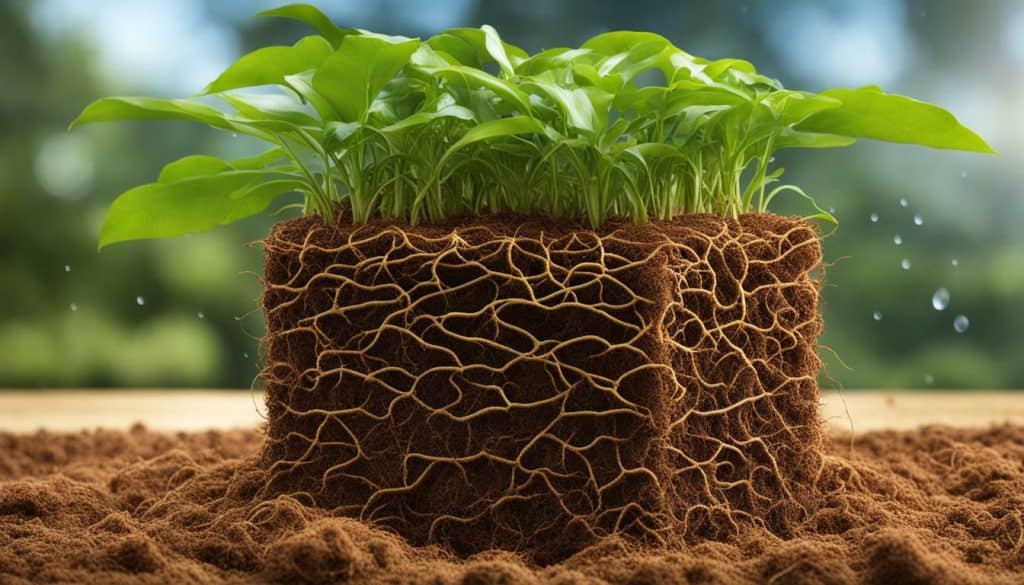
“Coco coir acts as a water retainer, creating an optimal environment for root growth and development.”
In summary, coco coir’s water retention properties play a vital role in promoting healthy root development. Its ability to retain moisture, provide aeration, and support stable root structures contribute to the overall health and growth of plants. When using coco coir as a water retainer, it is essential to provide the necessary nutrients and ensure regular watering without allowing the coir to dry out completely. By harnessing the benefits of coco coir, gardeners can create an ideal environment for plants to thrive and flourish.
Coco Coir’s Ability to Deter Pests
The water retention abilities of coco coir play a role in discouraging pests, creating an unfavorable environment for their growth and survival. Coco coir’s moisture retention properties help to limit the presence of pests such as fungus gnats, spider mites, and root aphids, which thrive in overly dry or wet conditions. By maintaining optimal moisture levels, coco coir creates a less hospitable environment for these pests to breed and reproduce.
In addition to its water retention capabilities, coco coir also has natural antifungal properties that further deter the growth of harmful organisms. This is especially beneficial for preventing the spread of diseases caused by fungi, as coco coir’s moisture-retaining qualities help to limit the spread of spores and inhibit their ability to thrive in the growing medium.
By choosing coco coir as a water retention medium, gardeners can reduce the need for harmful pesticides and chemicals, creating a safer, more eco-friendly growing environment. Coco coir’s ability to deter pests naturally not only promotes healthier plant growth but also minimizes the risk of harmful substances contaminating the soil and water systems.
Expert Quote:
“Coco coir’s water retention properties create an environment that is inhospitable to pests, reducing the need for chemical pest control methods and promoting sustainable gardening practices.” – Dr. Green Thumb, Horticulture Expert
Overall, coco coir’s ability to retain water effectively not only benefits plant growth but also helps in deterring pests naturally. Its moisture retention properties, combined with its natural antifungal qualities, create an environment that is unfavorable for pests and diseases to thrive. By choosing coco coir as a water retainer, gardeners can create a safer and eco-friendly growing environment while achieving optimal plant health and vitality.
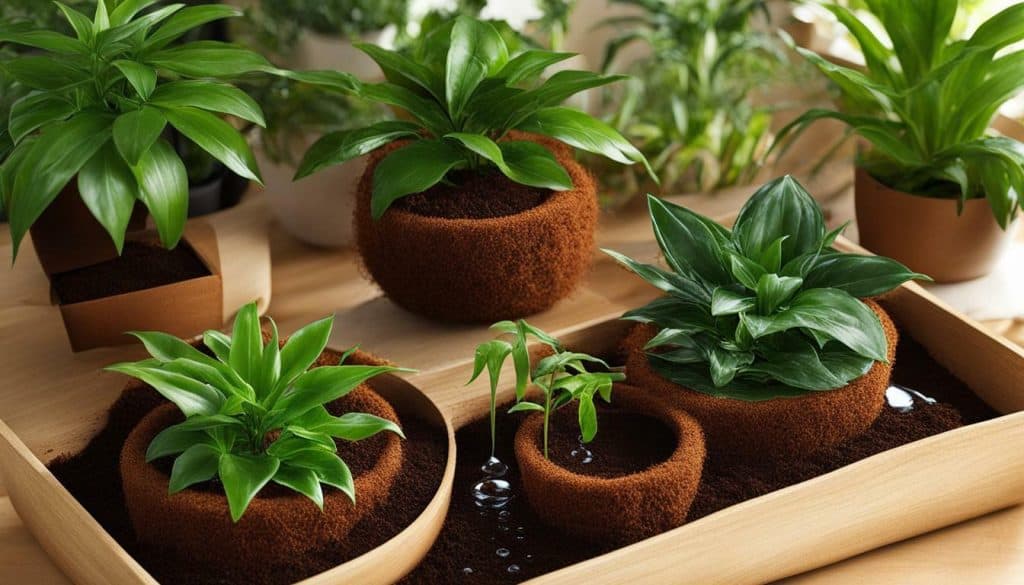
| Pest | Effect of Coco Coir |
|---|---|
| Fungus Gnats | Prevents breeding and limits population growth due to optimal moisture levels |
| Spider Mites | Discourages infestations by creating a less favorable environment for reproduction |
| Root Aphids | Reduces the risk of infestation by maintaining balanced moisture levels |
- Coco coir’s water retention properties create an unfavorable environment for pests to breed and thrive.
- It helps limit the presence of pests such as fungus gnats, spider mites, and root aphids.
- Coco coir’s natural antifungal properties inhibit the growth of harmful organisms.
- Choosing coco coir as a water retention medium reduces the need for pesticides and promotes eco-friendly gardening practices.
Coco Coir’s Environmental Benefits
Coco coir is an eco-friendly and sustainable alternative to traditional growing mediums, making it a preferred choice among environmentally conscious gardeners. This versatile material is derived from coconut husks, which are a byproduct of the coconut industry. By repurposing these waste materials, coco coir helps reduce landfill waste and minimizes the environmental impact associated with other growing mediums.
In addition to being a renewable resource, coco coir has a significantly lower carbon footprint compared to peat moss, which is commonly used in gardening. Peat moss extraction involves the draining of wetlands and releases large amounts of stored carbon dioxide into the atmosphere. On the other hand, the cultivation and processing of coco coir require less water and energy, making it a more sustainable option.
Furthermore, coco coir’s ability to retain moisture reduces water consumption in gardening. Its excellent water retention and drainage properties allow plants to access water as needed, promoting healthier growth while reducing the frequency of watering. This not only conserves water but also minimizes the use of chemical fertilizers, as coco coir naturally contains trace elements and beneficial microorganisms that support plant growth.
The Environmental Benefits of Coco Coir in a Nutshell:
- Eco-friendly alternative to traditional growing mediums.
- Repurposes waste materials and reduces landfill waste.
- Lower carbon footprint compared to peat moss.
- Requires less water and energy in cultivation and processing.
- Retains moisture, reducing water consumption and the use of chemical fertilizers.

In conclusion, incorporating coco coir into your gardening practices not only benefits your plants but also contributes to a more sustainable and environmentally friendly approach. By choosing coco coir as your water-retaining medium, you can help protect the planet while enjoying the rewards of healthy and thriving plants.
| Advantages of Coco Coir’s Water Retention: | Environmental Benefits: |
|---|---|
| Promotes healthy root development | Eco-friendly and sustainable alternative |
| Reduces watering frequency | Repurposes waste materials |
| Drains well, preventing waterlogged roots | Lower carbon footprint compared to peat moss |
| Deters pests | Requires less water and energy |
| Reduces reliance on chemical fertilizers | Conserves water resources |
Coco Coir’s Reusability
Coco coir can be reused multiple times, making it a cost-effective option for water retention in plant cultivation. Its ability to retain and drain water efficiently makes it a popular choice among gardeners and horticulturists. By reusing coco coir, you not only save money but also contribute to reducing waste and promoting sustainable gardening practices.
When reusing coco coir, it is important to properly prepare it for the next use. Start by removing any remaining plant roots or debris from the coir. Next, rinse the coir thoroughly with clean water to remove any accumulated salts or minerals. This step is crucial to maintain the pH and nutrient neutrality of the coir, ensuring optimal plant growth.
After rinsing, allow the coco coir to dry in a well-ventilated area. Once dry, you can store it in a clean and dry container until it is ready for use again. Before reusing, it is recommended to mix the coir with fresh perlite to improve aeration and drainage. This combination creates an ideal environment for healthy root development and prevents waterlogging.
| Advantages of Reusing Coco Coir |
|---|
| 1. Cost-effective alternative to purchasing new growing mediums |
| 2. Reduces waste and promotes sustainability |
| 3. Maintains the neutral pH and nutrient balance of the coir |
| 4. Improves aeration and drainage when mixed with fresh perlite |
By reusing coco coir, not only do you save money, but you also contribute to a greener and more environmentally-friendly gardening practice. Remember to properly prepare the coir before reusing it, and mix it with perlite for optimal results. With its excellent water retention properties and reusability, coco coir continues to be a reliable choice for enhancing plant growth and promoting sustainable cultivation.
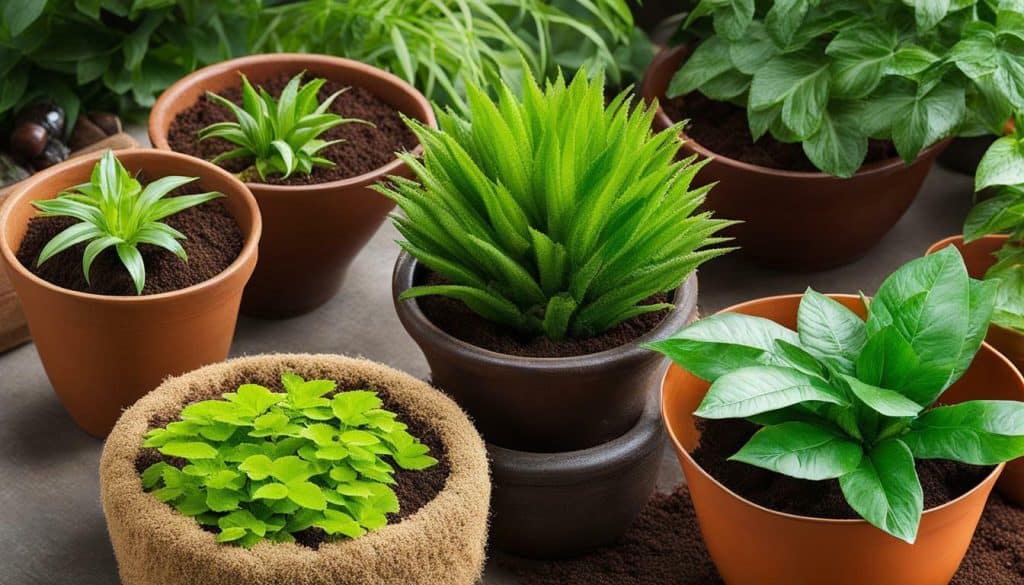
“Coco coir can be reused multiple times, making it an environmentally-friendly and cost-effective option for water retention in plant cultivation.”
Best Practices for Using Coco Coir
To optimize water retention with coco coir, it is essential to mix it with perlite, provide appropriate nutrients, and maintain regular watering without allowing the coir to completely dry out.
Mixing coco coir with perlite helps enhance its water retention capabilities by improving drainage. The addition of perlite creates air pockets within the growing medium, preventing it from becoming overly compacted and allowing excess water to drain away. A recommended ratio is 70% coco coir and 30% perlite, but experiment with different ratios based on the specific needs of your plants.
“Mixing coco coir with perlite helps enhance its water retention capabilities by improving drainage.”
To ensure your plants receive the necessary nutrients, it’s important to provide them with a suitable fertilizer regimen. Coco coir is pH and nutrient neutral, meaning it doesn’t possess its own inherent nutrients. Therefore, incorporating a balanced nutrient solution into your watering routine is crucial. Consider using a fertilizer specifically formulated for coco coir cultivation, as it will contain the ideal blend of macronutrients and micronutrients for optimal plant growth.
Regular watering is key to maintaining the moisture levels in your coco coir. Monitor the moisture content by checking the top few inches of the growing medium. When it feels dry to the touch, it’s time to water again. Avoid overwatering as it can lead to root rot and other problems. A drip irrigation system can help automate the watering process and ensure consistent moisture levels in your coco coir.
Table: Recommended Nutrient Schedule for Coco Coir
| Stage | Nitrogen (N) | Phosphorus (P) | Potassium (K) |
|---|---|---|---|
| Seedling/Clone | 2% | 2% | 4% |
| Vegging | 3% | 2% | 4% |
| Flowering | 1% | 3% | 6% |
Remember to regularly monitor your plants for signs of nutrient deficiency or excess. Adjust the nutrient solution accordingly to maintain a healthy balance. With proper care and attention, using coco coir as a water retainer can help promote robust plant growth and yield impressive results in your garden.
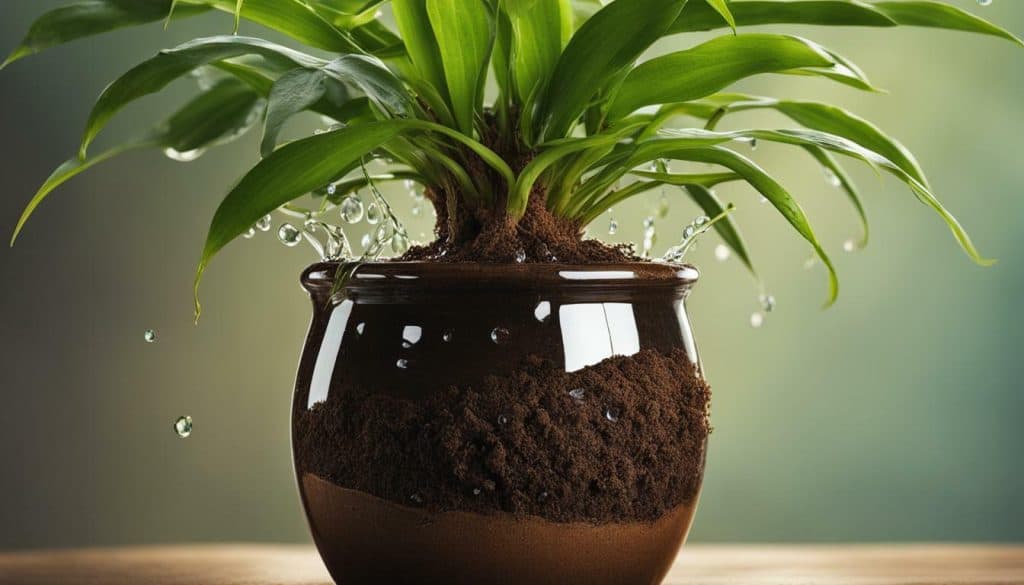
Different Forms of Coco Coir
Coco coir is obtainable in different forms, including fiber, pith, and chips, each with its own water retention characteristics. These various forms offer flexibility in choosing the most suitable type of coco coir for specific gardening needs. Let’s take a closer look at each form:
Coco Coir Fiber
Coir fiber is the long, coarse strands extracted from the husk of coconut shells. It has excellent water-holding capacity and provides good aeration for plant roots. The long fibers create air pockets in the growing medium, allowing for proper drainage and reducing the risk of overwatering. Coco coir fiber is commonly used for hydroponic systems and potting mixes.
Coco Coir Pith
Coco coir pith, also known as coco peat or coir dust, is a fine, powdery substance that resembles soil. It has high water-absorption capabilities and retains moisture well, making it ideal for moisture-loving plants. Coco coir pith is often used as a soil amendment to improve water retention and enhance soil structure.
Coco Coir Chips
Coco coir chips are small-sized coconut husk pieces that provide excellent drainage while retaining enough moisture for plant roots. These chips create air pockets in the growing medium, allowing for proper root development and preventing waterlogged conditions. Coco coir chips are commonly used in orchid cultivation and as a mulching material.
As with any form of coco coir, it is important to choose high-quality, well-prepared products to ensure optimal water retention and overall performance. The quality of coco coir can vary depending on factors such as the source of the coconuts, harvesting methods, and processing techniques. It is advisable to purchase coco coir from reputable suppliers that prioritize quality control.
Overall, the different forms of coco coir provide gardeners with versatile options to suit their watering preferences and plant requirements. Whether you choose fiber, pith, or chips, coco coir’s excellent water retention capabilities make it a reliable choice for maintaining proper moisture levels in the growing medium, promoting healthy plant growth, and reducing the frequency of watering.
| Coco Coir Form | Water Retention | Drainage | Common Uses |
|---|---|---|---|
| Coco Coir Fiber | High | Good | Hydroponic systems, potting mixes |
| Coco Coir Pith | High | Moderate | Soil amendment, moisture-loving plants |
| Coco Coir Chips | Moderate | Excellent | Orchid cultivation, mulching |
Image:

Factors Affecting Coco Coir’s Water Retention
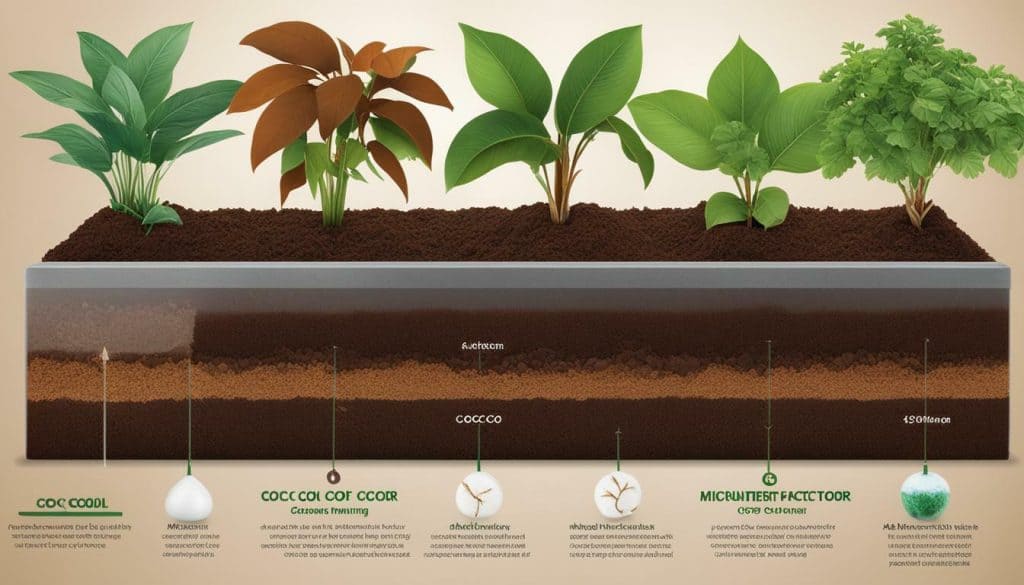
The quality of coco coir depends on factors such as how it is harvested, prepared, and processed, which can impact its water retention properties. Coco coir is derived from the fibrous husk of coconuts and undergoes various procedures before it is ready for use as a growing medium. The way in which coco coir is handled during these stages can affect its ability to retain water effectively.
Harvesting plays a crucial role in determining the quality of coco coir. When coconuts are harvested at the right maturity stage, their husks contain the optimal balance of fibers and moisture content. This ensures that the resulting coco coir has the necessary structure and water-holding capacity. Additionally, proper preparation techniques, such as rinsing and buffering, remove excess salts and compounds that could hinder water retention.
Processing methods also play a significant role in determining the water retention abilities of coco coir. Different processing techniques, such as fiber separation, pith extraction, and chip production, yield coco coir in various forms. Fiber and pith forms are commonly used for water retention purposes due to their high water-holding capacity. Chip forms, on the other hand, may have lower water retention capabilities.
| Factors Affecting Coco Coir’s Water Retention | Description |
|---|---|
| Harvesting | The maturity stage of coconuts affects the fiber and moisture content of coco coir, influencing its ability to retain water. |
| Preparation | Rinsing and buffering processes remove excess salts and compounds, ensuring optimal water retention properties. |
| Processing | The form of coco coir, such as fiber, pith, or chips, can determine its water-holding capacity. |
For gardeners seeking coco coir with superior water retention capabilities, it is essential to consider the quality of the product based on these factors. Coco coir that undergoes careful harvesting, proper preparation, and suitable processing methods is more likely to retain water effectively, providing an ideal environment for plant growth.
Additional Considerations:
While the factors mentioned above primarily influence coco coir’s water retention abilities, it is important to note that other factors, such as the presence of additives or the age of the coco coir, can also impact its performance. Using high-quality coco coir from reputable brands ensures consistency in water retention properties and overall plant health.
When using coco coir as a growing medium, it is recommended to mix it with perlite, a lightweight material that further enhances water drainage and aeration. This combination provides an optimal balance of water retention and oxygen availability for root development.
To maximize water retention, it is crucial to regularly water plants using appropriate techniques. While coco coir has excellent water-holding capacity, allowing it to dry out completely can hinder plant growth. Therefore, maintaining consistent moisture levels by watering appropriately is key to unlocking the full potential of coco coir as a water retainer.
The Surprising Truth Behind Coco Coir’s Water Retention
Coco coir’s ability to retain water effectively provides numerous advantages for plant growth, making it a versatile and desirable choice for gardeners and horticulturists. This popular growing medium not only delivers vital nutrients to plants but also reduces the frequency of watering compared to hydroponic systems.
One of the key benefits of coco coir is its pH and nutrient neutrality, which allows for a customizable and controlled growing environment. This medium retains and drains water well, striking the perfect balance between hydration and oxygenation for plant roots. By holding moisture, coco coir keeps the root zone consistently hydrated, promoting healthy root development and facilitating nutrient uptake.
Furthermore, the water retention properties of coco coir act as a natural deterrent against pests. By keeping the soil moist, it discourages pests such as fungus gnats, which thrive in dry conditions. This reduces the need for chemical pesticides and fosters a more eco-friendly approach to gardening.
Additionally, coco coir is an environmentally safe option, as it is derived from the fibrous husks of coconuts, a renewable resource. It is also reusable, making it a sustainable choice for long-term use. By incorporating coco coir into your gardening practices, you can reduce waste and minimize your ecological footprint.
The Recommended Brand: Urban Worm Coco Coir
When using coco coir, it is important to follow best practices. Mix it with perlite to enhance drainage, as coco coir can become compacted over time. Provide the necessary nutrients through fertilization, as coco coir itself is nutrient neutral. Water your plants regularly, ensuring the moisture is consistent, and avoid letting the coco coir dry out completely.
It’s worth noting that coco coir serves as an excellent transition from traditional soil gardening, as it retains moisture more effectively. However, depending on the specific needs of your plants, additional supplementation may be required. Therefore, it is crucial to monitor and adjust the feeding and watering practices accordingly.
When purchasing coco coir, keep in mind that it is available in different forms, including fiber, pith, and chips. Each form has its own set of characteristics and suitability for water retention purposes. Consider your specific gardening needs and choose the appropriate form of coco coir accordingly.
Lastly, the quality of coco coir can vary depending on how it is harvested, prepared, and processed. It’s recommended to opt for trusted brands, such as Urban Worm Coco Coir, which ensures high-quality coco coir for optimal water retention and plant growth.
FAQ
Q: Does coco coir retain water effectively?
A: Yes, coco coir is a popular growing medium that retains water effectively.
Q: What are the benefits of coco coir water retention?
A: Coco coir’s water retention capabilities deliver nutrients to plants and reduce the frequency of watering compared to hydroponic systems.
Q: How well does coco coir hold water?
A: Coco coir has excellent water holding capacity, as it retains and drains water well for plant hydration.
Q: How does coco coir promote healthy root development?
A: Coco coir’s water retention abilities contribute to the development of healthy roots in plants.
Q: Does coco coir deter pests?
A: Yes, coco coir’s water retention properties help in deterring pests.
Q: Is coco coir environmentally friendly?
A: Yes, coco coir is eco-friendly and can be reused for water retention purposes.
Q: Can coco coir be reused?
A: Yes, coco coir is reusable, making it a sustainable option for water retention.
Q: What are the best practices for using coco coir for water retention?
A: To use coco coir effectively for water retention, mix it with perlite, provide the necessary nutrients, and water plants regularly without allowing the coir to dry out completely.
Q: In what forms is coco coir available?
A: Coco coir is available in different forms such as fiber, pith, and chips, each suitable for water retention purposes.
Q: What factors affect the quality of coco coir’s water retention?
A: The quality of coco coir’s water retention depends on how it is harvested, prepared, and processed.
Q: What is the surprising truth behind coco coir’s water retention?
A: Coco coir’s water retention abilities make it an excellent choice for transitioning from soil gardening and promoting healthy plant growth.