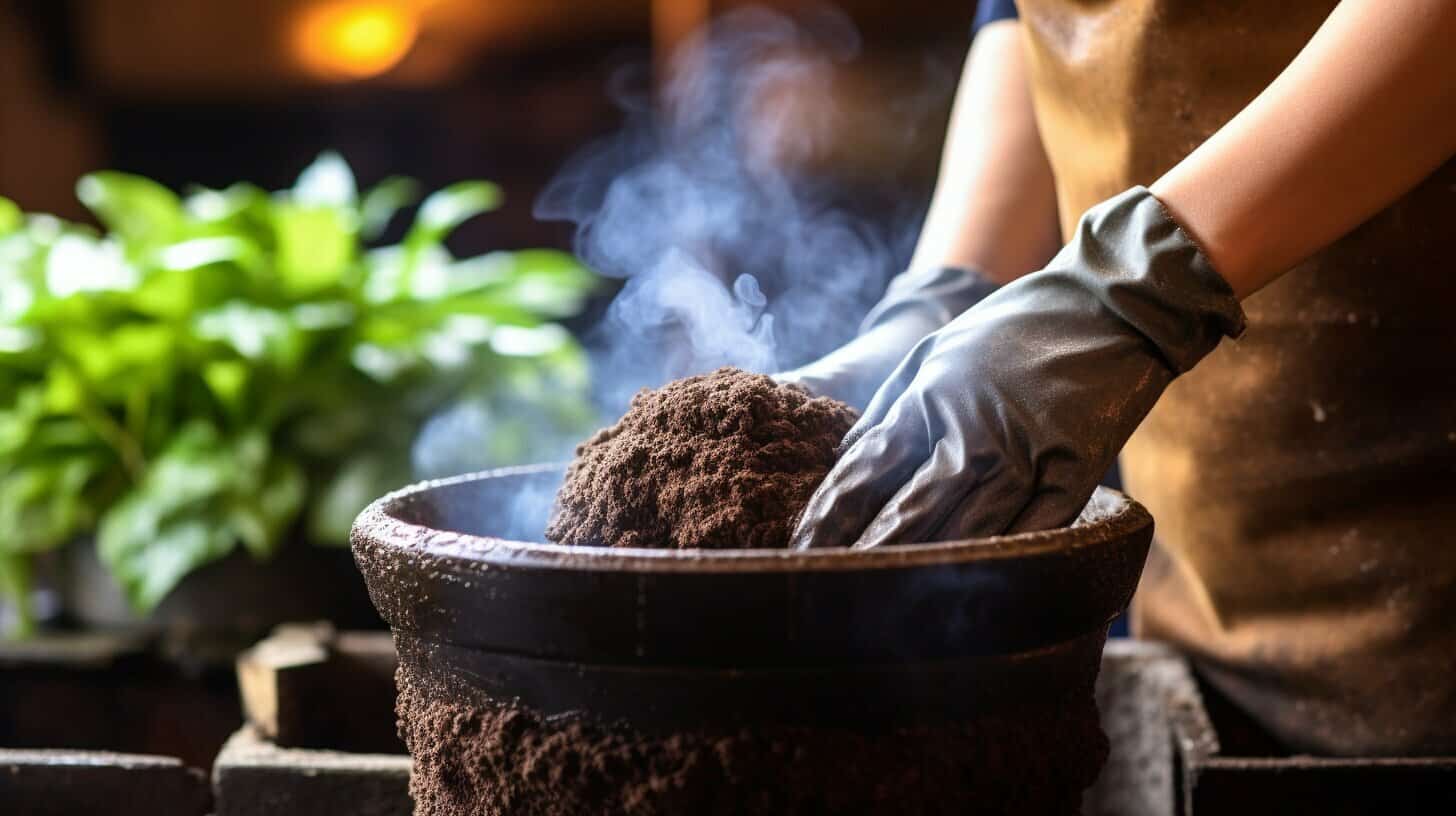
In the world of gardening, coco coir has become a popular choice for its superior water retention and aeration properties. However, using unsterilized coco coir can introduce harmful pests and diseases into your garden, putting your plants at risk.
Sterilizing coco coir is an important step in protecting your plants from pests and diseases. The process involves removing any harmful bacteria, fungi, or other microorganisms that may be present in the coco coir. By doing so, you can create a sterile environment for your plants to grow in, reducing the risk of crop loss and promoting overall growth and yield. In the next section, we will explore what exactly coco coir is and its properties that make it such a popular choice for gardening.
What is Coco Coir?
Coco coir, also known as coconut fiber, is a natural growing medium that is derived from the outer husk of coconuts. It is a popular alternative to traditional soil-based growing mediums as it offers several benefits for gardening.
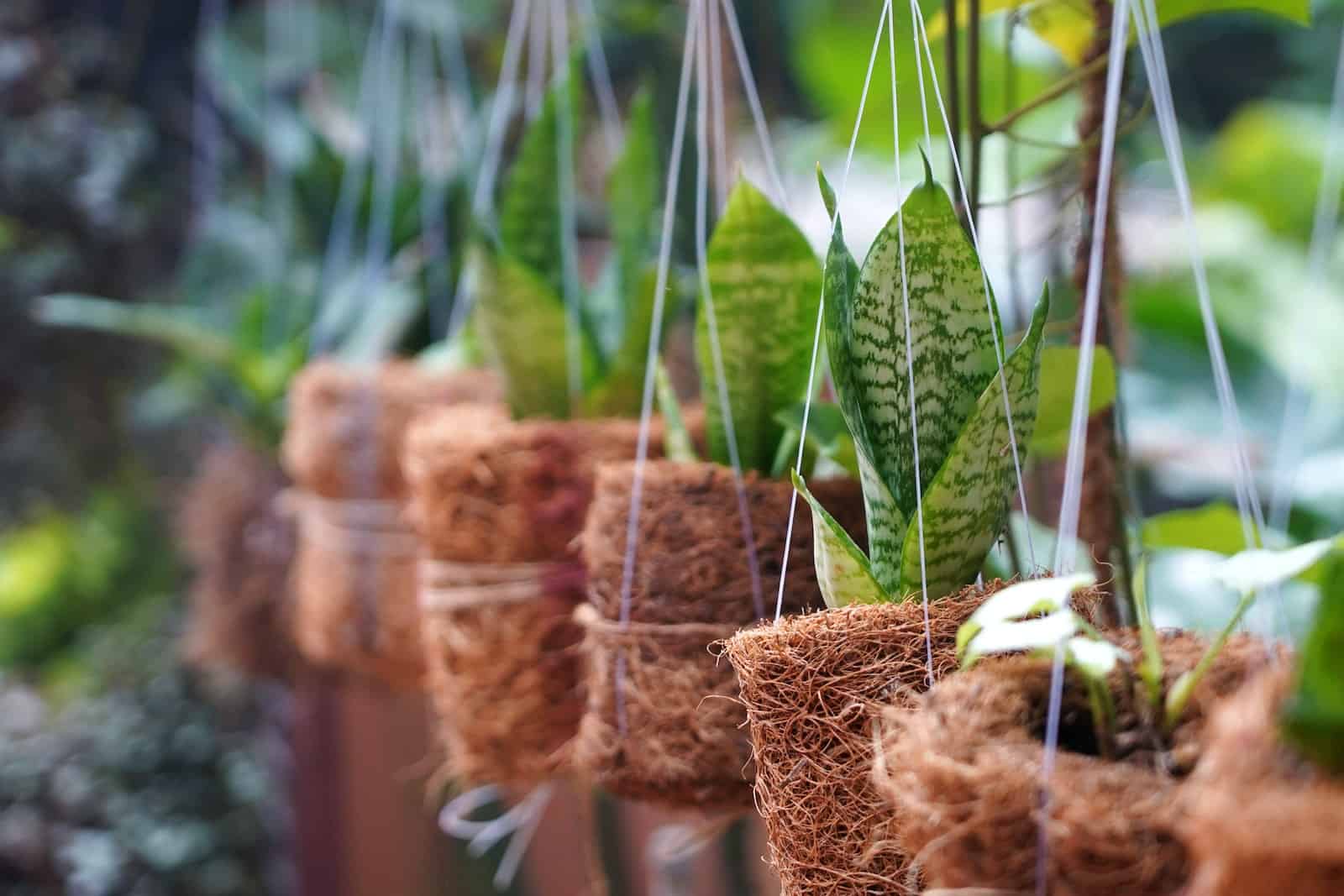
Coco coir is a highly absorbent material that can hold up to ten times its weight in water, making it an excellent choice for plants that require consistent moisture. It also provides good aeration for plant roots, which is essential for healthy growth. Coco coir is also naturally high in potassium, making it a suitable choice for plants that require this nutrient.
Overall, coco coir is a sustainable, renewable, and environmentally friendly option for gardening that provides several benefits over traditional soil-based mediums.
Why Sterilize Coco Coir?
Coco coir is a popular growing medium for plants because of its ability to retain water and aerate soil. However, unsterilized coco coir can contain harmful pests and diseases that can damage or kill plants. This is why sterilization is crucial if you want to protect your plants and ensure their health and growth.
When you use unsterilized coco coir, you risk introducing pests such as spider mites, fungus gnats, and mealybugs into your garden. These pests can quickly multiply and cause extensive damage to your plants. Additionally, using infected coco coir can introduce plant diseases such as root rot and fusarium wilt, which can be difficult to treat and may result in the loss of your entire crop.
Methods of Sterilizing Coco Coir
Coco coir can be sterilized using several methods. Depending on the availability of resources, the size and scale of the operation, and the degree of sterilization required, different methods can be used. Here are some of the most common methods of sterilizing coco coir:
| Method | Description | Advantages | Disadvantages |
|---|---|---|---|
| Heat treatment | Exposing coco coir to high temperatures | Effective, eco-friendly, low-cost | Requires high-tech equipment, not always practical for small-scale gardening |
| Steam sterilization | Exposing coco coir to pressurized steam | Very effective, kills all pests and pathogens | Can be expensive, requires specialized equipment |
| Chemical sterilization | Using chemical agents to kill pathogens and pests | Easy, low-cost, accessible | Can leave chemical residue, potential environmental hazards |
Before choosing a method of sterilization, it is important to consider the benefits and drawbacks of each approach, take into account the resources available, and identify the level of sterilization required. Ensuring that coco coir is sterilized before use can prevent the spread of pests and diseases and promote healthy plant growth.
Step-by-Step Guide to Sterilizing Coco Coir
Now that you understand the importance of sterilizing coco coir, let’s dive into the step-by-step process to do so.
Step 1: Prepare the Coco Coir
First, fill a large container with coco coir and add water until it is fully saturated. Allow the coco coir to soak for at least an hour, then drain out any excess water.
Step 2: Choose a Sterilization Method
There are various methods to sterilize coco coir, including heat treatment, steam sterilization, and chemical sterilization. Choose the method that best fits your needs and equipment.
Step 3: Execute the Sterilization Process
Follow the instructions specific to your chosen sterilization method. For heat treatment, place the coco coir in an oven set to 180°F and bake for 30 minutes. For steam sterilization, place the coco coir in a container and steam for at least an hour. For chemical sterilization, mix the coco coir with the sterilization agent and wait the recommended amount of time before rinsing thoroughly with water.
Be sure to wear protective gear such as gloves and a mask while executing the sterilization process.
Step 4: Dry and Store the Sterilized Coco Coir
After sterilization, spread the coco coir out and allow it to dry completely before storing it in a clean, dry container with a tight-fitting lid. Keep the sterilized coco coir away from moisture and contaminants to maintain its sterility.
Now that you have followed these steps, your coco coir is properly sterilized and ready for use in your garden.
Tips for Using Sterilized Coco Coir
Once you have properly sterilized your coco coir, it’s time to use it for your gardening needs. Here are some tips for using sterilized coco coir:
- Store properly: Keep the sterilized coco coir in a dry and cool location, away from direct sunlight and moisture. This will prevent any mold or bacteria growth.
- Rehydrate adequately: Before using the coir, make sure to rehydrate it properly. This can be done by adding water and waiting for it to absorb. The coir should be moist but not too wet.
- Mix with other growing mediums: Coco coir can be mixed with other growing mediums such as perlite, vermiculite, or soil. You can experiment with different ratios to find the best balance for your plants.
- Maintain sterility: Throughout the gardening process, make sure to maintain the sterility of the coco coir. Clean all tools and equipment thoroughly and avoid touching the coir with bare hands. This will prevent any contamination that could harm your plants.
- Monitor plant health: Regularly monitor your plants for any signs of pests or diseases. Early detection and treatment can prevent any serious damage to your plants.
Common Pests and Diseases in Coco Coir
Coco coir is a popular choice for gardening due to its excellent water retention properties and ability to provide good aeration for plant roots. However, unsterilized coco coir can act as a breeding ground for harmful pests and diseases that can harm or even kill plants. Here are some common pests and diseases to look out for:
| Pest/Disease | Symptoms | Prevention | Treatment |
|---|---|---|---|
| Root rot | Yellowing of leaves, stunted growth, wilting | Use sterilized coco coir, don’t overwater, ensure proper drainage | Treat with fungicide, remove affected plants and soil |
| Spider mites | Webbing on leaves, yellow stippling, curled leaves | Inspect plants regularly, use beneficial insects, maintain proper humidity | Treat with insecticide, remove heavily affected leaves/branches |
| Mealybugs | White cottony masses on leaves, wilted leaves, stunted growth | Inspect new plants before introducing them to the garden, prune affected areas | Treat with insecticide, remove heavily affected leaves/branches |
It is essential to monitor plants grown in coco coir regularly. Early detection and prevention are crucial in preventing the spread of pests and diseases. Using sterilized coco coir and maintaining a clean and sanitized growing environment can help minimize the risk of infestation and promote plant health.
Benefits of Sterilizing Coco Coir
Sterilizing coco coir may seem like an extra step in the gardening process, but it can greatly benefit your plants and overall garden success. Here are some key benefits of sterilizing coco coir:
| Benefit | Description |
|---|---|
| Prevents Pests and Diseases | By sterilizing coco coir, you eliminate the risk of introducing harmful pests and diseases to your garden. This not only protects your plants but also maintains the health of your soil and other growing mediums. |
| Promotes Plant Health | Sterilizing coco coir ensures that your plants get the proper nutrients and hydration they need to thrive. Without any harmful contaminants, they can grow stronger and healthier. |
| Reduces Risk of Crop Loss | With sterilized coco coir, you lower the risk of crop loss due to diseases or pests. This means you can have a higher yield and more successful garden overall. |
| Improves Aeration and Water Retention | Coco coir that has been sterilized maintains its natural properties, such as water retention and aeration. This means your plants can get the optimal amount of moisture and oxygen they need to grow strong and healthy. |
Overall, sterilizing coco coir is a simple but effective way to protect your plants and garden. It can lead to healthier plants, larger yields, and a more successful gardening experience.
FAQ – Frequently Asked Questions
Q: What is coco coir?
Coco coir is a natural fiber extracted from the outer shell of coconuts. It is used as a growing medium in gardening due to its high water retention and aeration properties.
Q: Why is sterilizing coco coir important?
Sterilizing coco coir is important to prevent harmful pests and diseases from infecting your plants. Unsterilized coco coir can introduce various bacteria, fungi, and insects into your garden, which can cause severe damage to your plants.
Q: What are some common methods for sterilizing coco coir?
Some common methods for sterilizing coco coir include heat treatment, steam sterilization, and chemical sterilization. Each method has its own pros and cons, and the best approach depends on your personal preferences and circumstances.
Q: How do I sterilize coco coir?
To sterilize coco coir, you can follow these steps:
- Prepare the coco coir by soaking it in water for an hour.
- Select a sterilization method that suits you best.
- Execute the sterilization process as per the chosen method.
- Spread out the sterilized coco coir and let it dry.
Q: How should I store sterilized coco coir?
You should store sterilized coco coir in a clean, dry, and airtight container to prevent contamination. It is best to keep it in a cool, dark place to maintain sterility.
Q: Can sterilized coco coir be reused?
Yes, sterilized coco coir can be reused. However, it is important to monitor it carefully for signs of contamination before reusing it. Rehydrating it thoroughly before use can also help maintain sterility.
Q: What are some common pests and diseases in coco coir?
Some common pests and diseases that can affect plants grown in coco coir include spider mites, fungus gnats, and root rot. It is important to monitor your plants regularly and take preventive measures to keep them healthy.
Q: What are the benefits of sterilizing coco coir?
Sterilizing coco coir can improve plant health, reduce the risk of crop loss, and promote overall growth and yield. It can also save you time and effort in the long run by preventing potential problems.