Welcome to our guide on maintaining perfect moisture for your coco coir pole. It’s essential to keep your coco coir pole moist to ensure healthy plant growth. We’ll provide expert tips on how to achieve optimal moisture levels for your coco coir pole.
Coco coir poles require a different approach to water retention than typical soil-based plants. In the next section, we’ll explore the unique properties of coco coir and why it requires proper moisture to flourish.
Understanding Coco Coir and Its Moisture Needs
Coco coir is a natural fiber extracted from the husk of coconuts and is widely used as a growing medium for plants. Its water retention capabilities make it an excellent choice for maintaining moisture in plants, especially those that require high humidity. Coco coir is an eco-friendly alternative to peat moss, which is harvested from endangered bogs.
Unlike soil, coco coir does not compact or harden, which allows for better aeration and root growth. It is pH neutral, so it does not affect the acidity or alkalinity of the soil. Coco coir is also resistant to pests and diseases, making it a popular choice among organic gardeners.
However, coco coir requires proper moisture to function optimally. It is essential to maintain moisture levels in coco coir, as it directly affects the health and growth of plants. Overwatering or underwatering can lead to root rot and other plant problems.
In short, coco coir is a great growing medium due to its high water retention capabilities, but proper moisture levels are essential for healthy plant growth.

Watering Techniques for Coco Coir Poles
Proper watering is essential for maintaining optimal moisture levels in coco coir poles. Overwatering or underwatering can lead to poor plant growth, root rot, and other problems. Here are some watering techniques to help you keep your coco coir poles healthy:
1. Frequency of watering
The frequency of watering depends on various factors such as the size of the pot, the type of plant, and the temperature and humidity of the environment. As a general rule, coco coir poles should be watered when the top inch of the soil feels dry to the touch. For most plants, this will be about once a week.
2. Amount of water
Coco coir poles require a moderate amount of water compared to other types of soil. When watering, aim to saturate the soil evenly without causing water to pool on the surface or drain too quickly through the drainage holes. As with frequency, the amount of water required will depend on the plant species and the size of the pot.
3. Drainage
Good drainage is crucial for coco coir poles to prevent water from accumulating and causing root rot. Make sure your pot has drainage holes and use a well-draining potting mix that allows excess water to escape. You can also add a layer of gravel or perlite at the bottom of the pot to aid in drainage.
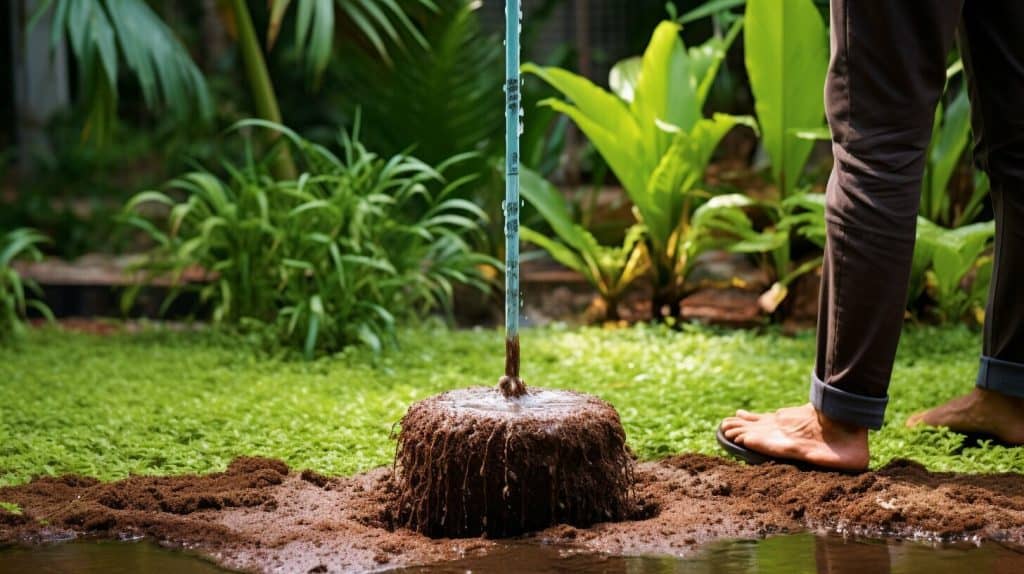
Image source: seowriting.ai
Humidity Control for Coco Coir Poles
Humidity plays a vital role in maintaining optimal moisture levels in coco coir poles. When the air is dry, the moisture in the coco coir evaporates quickly, leaving the pole dry and the plant roots dehydrated. To create a humid environment for your coco coir pole, consider the following tips:
- Place a humidity tray with water near the plant. As the water evaporates, it will increase the humidity level around the plant.
- Use a mister to mist the plant and leaves regularly. The mist will add moisture to the air and keep the roots hydrated.
- Group plants together. When plants are in close proximity, they create a micro-climate that increases humidity levels.
Remember, maintaining the right humidity level is crucial for healthy plant growth. Keep a hygrometer close by to monitor the humidity levels as necessary. Aim for a humidity level of 50-60% for your coco coir pole.
Image Source: 
Mulching to Retain Moisture
Mulching is a simple and effective way to maintain moisture in coco coir poles. By covering the surface of the coco coir with a layer of mulch, you can prevent evaporation and keep the soil moist for longer periods of time. Mulching also helps to suppress weed growth and regulate soil temperature, making it an all-around smart choice for your plants.
When choosing a mulch, look for organic materials like shredded bark, straw, or compost. These materials will break down over time, adding nutrients to the soil and improving its structure. Avoid using materials that may contain chemicals or weed seeds, as they can harm your plants.
To apply mulch, simply spread a layer on top of the coco coir, making sure to avoid the base of the plant. A thickness of two to three inches is ideal for retaining moisture and suppressing weeds. Be careful not to cover the base of the plant or pile the mulch too close to the stem, as this can lead to rot.
Make sure to water the soil thoroughly before applying mulch. This will help the mulch settle in and make good contact with the soil. If you notice the mulch starting to dry out, simply add more water to keep it moist.

Tip: Mulching is especially important if you live in a hot, dry climate or if you have a plant that requires consistent moisture levels. It’s a great way to reduce your watering frequency and keep your plants happy and healthy.
Avoiding Overwatering and Underwatering
One of the most common mistakes in maintaining coco coir poles is overwatering or underwatering. Both of these can lead to serious problems, such as root rot or wilting. It is essential to understand the correct moisture levels for these poles and identify any signs of over or under-watering.
Here are some guidelines to avoid these pitfalls:
- Check the moisture levels regularly: Use a moisture meter or stick your finger into the coco coir to monitor the moisture levels. The soil should be damp but not waterlogged.
- Water thoroughly: When watering, make sure to saturate the coco coir completely, allowing water to drain out of the bottom of the pot. This will prevent the buildup of salts and minerals that can harm the plant.
- Don’t water too frequently: Coco coir poles hold water for longer periods than regular soil, so avoid watering too often, as it can lead to waterlogging. The frequency of watering depends on the specific needs of your plant, the environment, and the size of the pot.
- Avoid underwatering: If the soil is too dry, the plant will start to wilt, and the leaves may turn yellow or brown. When this happens, water the pole thoroughly and monitor the moisture levels regularly to prevent future problems.
- Identify drainage problems: Poor drainage can cause water to accumulate in the bottom of the pot, leading to root rot. Check that the drainage hole is clear and the pot has proper drainage before planting your coco coir pole.
Following these guidelines will help ensure that your coco coir pole maintains perfect moisture levels, promoting healthy plant growth. Remember to monitor the moisture levels regularly and adjust your watering accordingly to avoid over or under-watering.

FAQs: How to Keep Your Coco Coir Pole Moist
Q: How often should I water my coco coir pole?
A: It depends on the temperature and humidity of your environment. In general, once or twice a week should suffice, but make sure the top layer of coco coir is dry before watering again.
Q: How much water should I use when watering?
A: Water your coco coir pole until water runs out from the drainage holes at the bottom. Don’t let the water sit in the tray or saucer, as it can cause root rot.
Q: Should I mist my coco coir pole?
A: Yes, misting your coco coir pole can help maintain humidity levels. Use a spray bottle to mist the leaves and moss pole every other day, especially in dry environments.
Q:
Should I use lukewarm or cold water to water my coco coir pole?
A:
It’s best to use room temperature water. Extremely cold or hot water can shock the plant and affect its growth.
Q: Can I use fertilizer on my coco coir pole?
A: Yes, you can use a water-soluble fertilizer once a month during the growing season. Follow the manufacturer’s instructions and dilute the fertilizer properly.
Q: How can I tell if my coco coir pole is overwatered or underwatered?
A: Overwatered coco coir poles may have yellowing leaves, foul odor, or mushy stems. Underwatered coco coir poles may have droopy or wilted leaves, dry coco coir, or brown edges on the leaves.
Q: Can I use mulch on my coco coir pole?
A: Yes, mulch can help retain moisture and regulate temperature. Use organic mulch such as wood chips or coconut husk chips, and apply a layer of 1-2 inches on top of the coco coir.