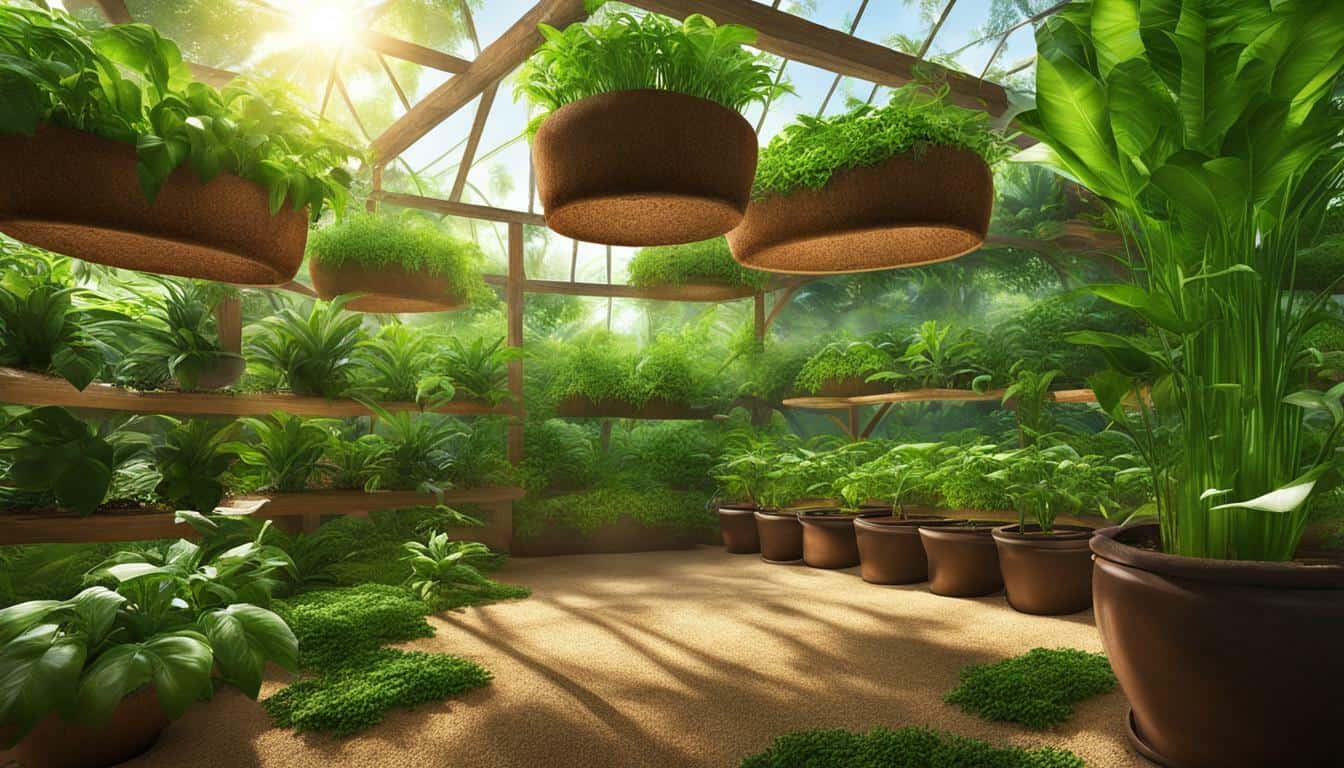
When it comes to hydroponic gardening, choosing the right growing medium is essential for optimal plant growth and yield. While traditional mediums like soil and peat moss have been used for decades, coco coir is quickly gaining popularity in the world of hydroponics. In this article, we’ll explore the benefits of using coco coir as a growing medium in hydroponics and guide you through the process of setting up a hydroponic system with coco coir.
But first, let’s define what coco coir is. Coco coir, also known as coco peat, is a byproduct of the coconut industry. It’s made from the fibrous, coconut husks that are discarded after the meat and water have been extracted from the coconut. The fibrous material is then washed, dried, and processed into a soil-like growing medium that’s ideal for hydroponics.
So, why choose coco coir in hydroponics? There are several advantages to using this growing medium:
- Coco coir has a high water-holding capacity, allowing for optimal moisture levels without drowning the roots.
- It provides excellent root aeration, promoting healthy growth and preventing root rot.
- Coco coir is pH neutral, meaning it won’t alter the pH levels of your nutrient solution.
- It’s a renewable resource and environmentally-friendly option for hydroponic gardening.
Now that we have a better understanding of what coco coir is and its benefits, let’s dive deeper into how to use this growing medium in hydroponics.
Key Takeaways:
- Coco coir is a byproduct of the coconut industry and is processed into a soil-like growing medium.
- Coco coir is a popular choice for hydroponic gardening due to its high water-holding capacity and excellent root aeration.
- Coco coir is pH neutral and environmentally-friendly.
What is Coco Coir?
When it comes to hydroponic growing, coco coir is a popular choice for many growers. Coco coir, also known as coconut coir, is a natural fiber extracted from the husk of coconuts. It is a popular alternative to traditional soil-based growing, as it is sustainable, renewable and eco-friendly.
Coco coir is an ideal growing medium for hydroponic systems for several reasons. Firstly, it is lightweight, allowing for easy handling and transport. Secondly, it has excellent water-holding capacity, meaning it can hold onto moisture for extended periods, reducing the need for frequent watering. This makes it perfect for plants that require a consistent supply of moisture.
The fibrous structure of coco coir also provides optimal root aeration, allowing for better oxygenation and nutrient absorption. Additionally, coco coir is naturally sterile and free from pests and pathogens, ensuring a clean and safe growing environment for your plants.
Overall, coco coir is an excellent alternative to soil in hydroponic systems, offering many benefits for growers. In the next section, we will delve deeper into why coco coir is an excellent choice for hydroponic growing.
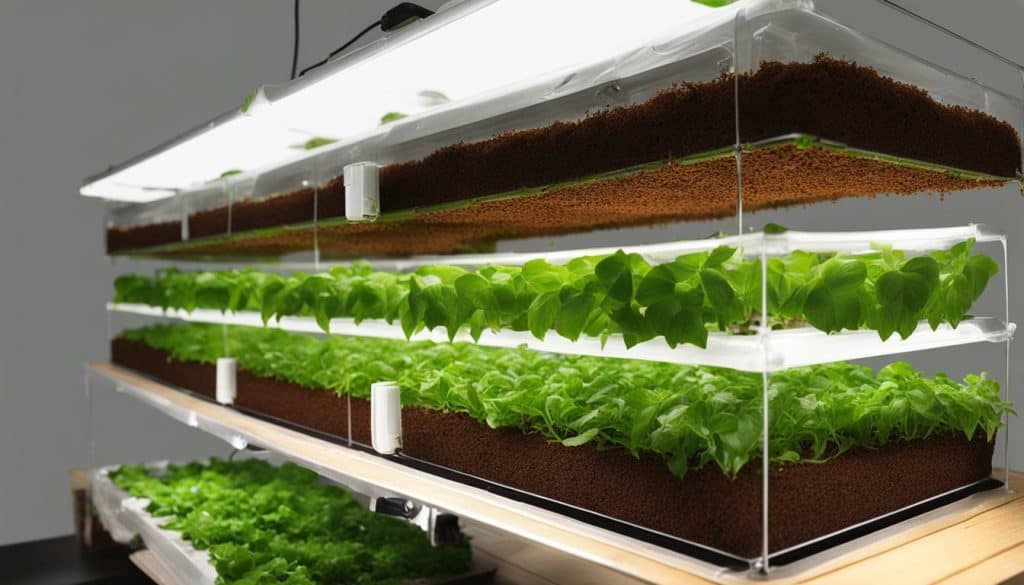
Hydroponics is a method of growing plants without soil, using nutrient-rich water as the plant’s primary medium. When choosing a growing medium for hydroponics, there are many options available. One popular choice is coco coir – a byproduct of coconut husks that make an excellent alternative to traditional soil-based gardening. Here are some of the benefits of using coco coir as your hydroponic grow medium:
Increased Water-Holding Capacity
Coco coir has excellent water retention properties, so it retains the perfect amount of moisture for optimal plant growth. It can hold up to 10 times its weight in water, making it ideal for hydroponic systems. By utilizing coco coir in hydroponics, you reduce the amount of water needed to maintain your plants, making it an environmentally friendly option.
Optimal Root Aeration
Coco coir is a loose and airy medium that promotes great root development and oxygenation. In hydroponics, providing proper oxygen to the roots is vital to the plant’s overall health and growth. Coco coir provides the ideal balance of water and air that plants need to thrive in hydroponic conditions.
Reduced Risk of Soil-Borne Diseases
In soil-based gardening, many diseases and pests can find their way into plants. However, when using coco coir as a grow medium, the risk of soil-borne diseases is significantly reduced. With fewer pests and plant diseases present, plant growth can usually happen more quickly, and the risk of plant failure is much lower.
Reusable and Sustainable
Coco coir is a sustainable and renewable resource, making it an eco-friendly option for hydroponic gardening. Even better, coco coir can be reused multiple times, helping to minimize waste and reduce your environmental footprint.
Similar Nutrient Capacity to Soil
Coco coir has a high cation exchange capacity (CEC), meaning it can hold nutrients and make them available to plants effectively. This capacity is similar to that of soil, making coco coir an excellent substitute for soil-based gardening in hydroponics.
Overall, coco coir provides a multitude of benefits for hydroponic gardening. By choosing coco coir as your grow medium, you can improve plant growth and reduce your environmental impact while enhancing the quality of your produce.
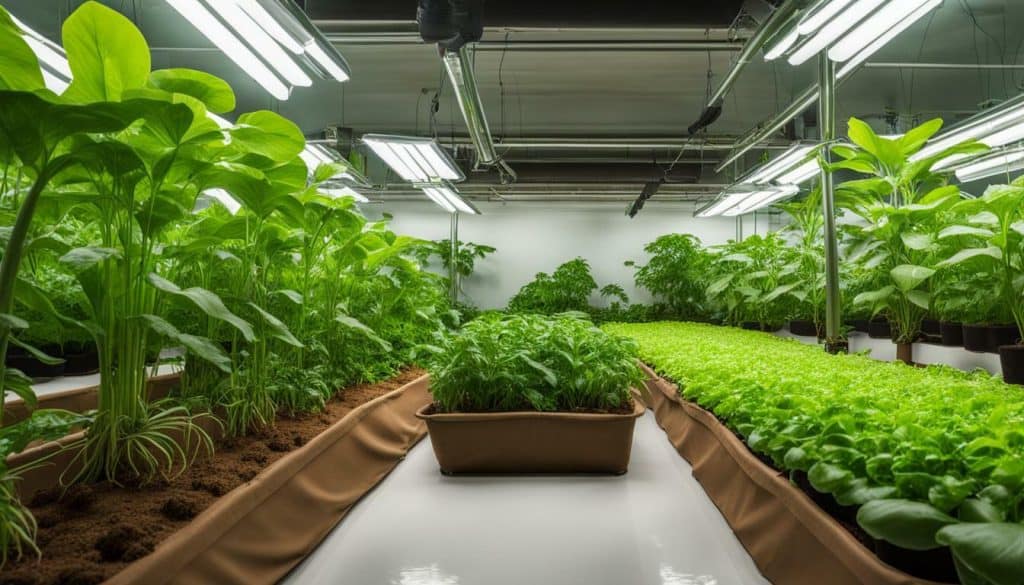
Coco coir is an excellent growing medium for hydroponic systems due to its high water-holding capacity and optimal root aeration. However, it’s essential to properly prepare coco coir before use to remove excess salt and achieve the right moisture content. Here’s a step-by-step guide on how to prepare coco coir for hydroponics:
Materials:
- Coco coir bricks or loose coco coir
- Clean water
- pH testing kit
Steps:
| Step | Description |
|---|---|
| 1 | Place the coco coir bricks or loose coco coir in a container. |
| 2 | Fill the container with clean water until the coco coir is fully submerged. |
| 3 | Let the coco coir soak for at least an hour to allow the water to fully penetrate the fibers. |
| 4 | Drain the excess water from the container and rinse the coco coir thoroughly with clean water. |
| 5 | Test the pH level of the coco coir using a pH testing kit. The optimal pH range for coco coir in hydroponics is between 5.5 and 6.5. |
| 6 | Adjust the pH level as necessary using pH up or pH down solutions. |
| 7 | Squeeze out any excess water from the coco coir to achieve the desired moisture level. The coco coir should be moist but not saturated. |
| 8 | Allow the coco coir to sit for a day or two to ensure it’s properly hydrated before use. |
Removing excess salt from coco coir is crucial as high salt levels can harm plant growth. If you’re using pre-washed coco coir, you may not need to worry about salt levels. However, if you’re using untreated coco coir, follow the additional steps below:
Steps to Remove Excess Salt:
| Step | Description |
|---|---|
| 1 | Place the coco coir in a container and fill it with water. |
| 2 | Let the coco coir soak for a few hours, then drain the water. |
| 3 | Fill the container with water again and let it soak for another few hours before draining the water. |
| 4 | Repeat the process until the excess salt has been removed. |
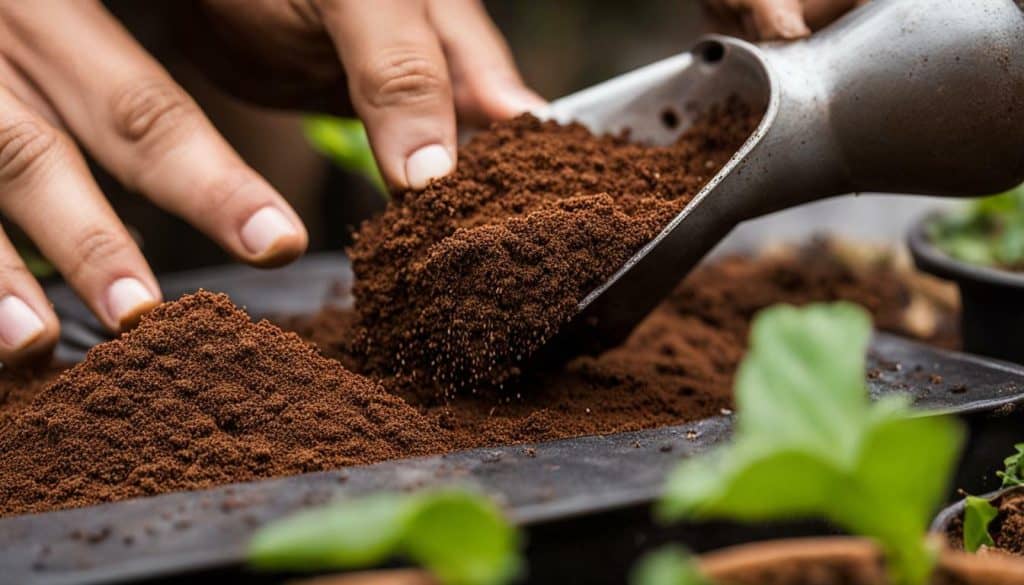
By following these steps, you can ensure that your coco coir is primed for hydroponic use and will provide your plants with optimal growing conditions.
Choosing the Best Coco Coir for Hydroponics
With so many different types of coco coir available on the market, it can be challenging to know which one is the best fit for your hydroponic system. Here are some tips to help you choose the best coco coir for hydroponics:
1. Quality is key: When purchasing coco coir, it’s essential to invest in a high-quality product. Quality coco coir will be 100% natural, free of contaminants, and have a consistent texture. Avoid products that contain chemical additives or fillers.
2. Coco mix: Some growers prefer to use a coco mix, which is a blend of coco coir and other materials like perlite or vermiculite. Coco mixes can provide better aeration and drainage while maintaining the water-holding capacity of coco coir. Experiment with different combinations to find what works best for your plants.
3. Consider the source: The source of your coco coir can affect its quality and sustainability. Look for coco coir that is produced in an eco-friendly manner and avoid products that contribute to deforestation or habitat destruction.
4. pH neutral: Coco coir should have a pH level of around 6.0-6.5. Avoid products that are too acidic or alkaline, as they can negatively affect your plants’ growth and nutrient uptake.
5. Compatibility: Make sure the coco coir you choose is compatible with your hydroponic system and other components. Consult with your supplier or manufacturer for recommendations or do thorough research before purchasing.
By selecting the right coco coir for your hydroponic system, you can ensure healthy plant growth and optimal yields.

Coco coir is a relatively inert growing medium, meaning that it does not contain any nutrients on its own. Therefore, plant nutrients must be added to the hydroponic nutrient solution to support plant growth.
The best coco coir nutrients are those that are specifically formulated for use in hydroponic systems. These nutrient solutions are designed to provide plants with a balanced mixture of essential macronutrients (such as nitrogen, phosphorus, and potassium) and micronutrients (such as iron, calcium, and magnesium).
When choosing nutrient solutions for coco coir in hydroponics, it is important to select products that are high-quality, water-soluble, and free of impurities. Organic nutrient options are also available for those who prefer an all-natural approach.
| Best Nutrients for Coco Coir in Hydroponics | Type of Nutrient |
|---|---|
| General Hydroponics Flora Series | Chemical |
| Advanced Nutrients pH Perfect Grow, Micro, Bloom | Chemical |
| Botanicare Pure Blend Pro Grow | Organic |
| Fox Farm Liquid Nutrient Trio Soil Formula | Organic |
It is important to note that nutrient requirements may vary depending on the specific plants being grown and the stage of growth. Always refer to the manufacturer’s instructions for the best results.
Additionally, it is essential to monitor pH and electrical conductivity (EC) levels to ensure optimal nutrient uptake.
The best organic nutrients for coco coir include products like earthworm castings, guano, and kelp. These organic solutions are rich in essential nutrients and can be used in conjunction with chemical nutrient solutions for increased plant growth.
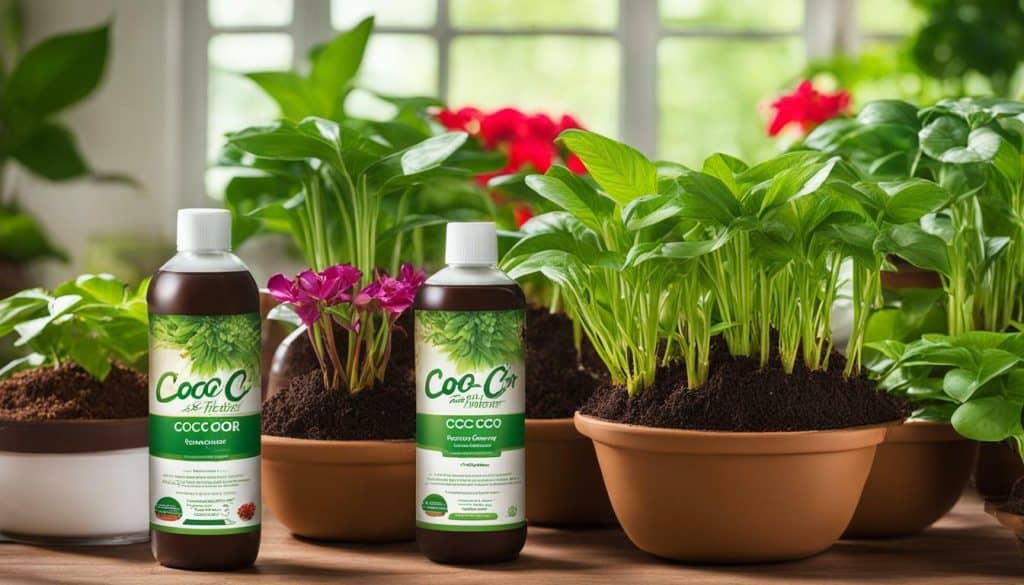
Using coco coir as a growing medium for your hydroponic system is a simple process that can yield impressive results. Here, we’ll guide you through the essential components and steps to set up a successful hydroponic system with coco coir.
What You’ll Need
Before you begin setting up your hydroponic system, make sure you have the following components:
- Hydroponic container
- Coco coir blocks or pre-washed coco coir
- Hydroponic nutrient solution
- Plant seeds or seedlings
- pH meter and EC meter
- Water pump and air stones (optional)
Once you have all the necessary components, you can proceed with the following steps:
Step 1: Preparing the Hydroponic Container
Start by cleaning and sterilizing your hydroponic container to prevent any bacterial or fungal growth. Fill it with water and check the pH and EC levels using your meters, adjusting as necessary.
Step 2: Preparing the Coco Coir
If you’re using coco coir blocks, soak them in water until they expand and break apart into fluffy fibers. Drain any excess water and fluff up the coir fibers. If you’re using pre-washed coco coir, check the moisture content and adjust as necessary to achieve the desired water-holding capacity.
Step 3: Planting Seeds or Seedlings
Place your seeds or seedlings in the coco coir, making sure to create adequate spacing between each plant. Cover the seeds or root balls with coco coir to ensure they are fully covered.
Step 4: Adding Nutrient Solution
Add your hydroponic nutrient solution to the water in your hydroponic container, following the manufacturer’s instructions for the appropriate dilution ratio. Monitor the pH and EC levels and adjust as necessary.
Step 5: Maintaining the System
Throughout the growth cycle of your plants, it’s important to monitor and maintain the hydroponic system. Check the pH and EC levels regularly, adjusting as necessary. Monitor the water level and add more nutrient solution as needed. Consider adding a water pump and air stones to increase oxygen levels for plant roots.

Following these steps can help you set up a successful hydroponic system with coco coir as your growing medium. With regular monitoring and maintenance, you’ll be able to maximize your green thumb and achieve excellent plant growth.
Coco Coir vs Other Growing Mediums in Hydroponics
While there are several options for growing mediums in hydroponics, coco coir offers numerous advantages. Here, we compare coco coir with other popular growing mediums.
Coco coir vs hydroponic clay pebbles (DWC)
Hydroponic clay pebbles, also known as DWC (deep water culture), have been a popular growing medium for hydroponics. However, coco coir has several advantages over DWC. Coco coir has a high water-holding capacity, which means less frequent watering is required. Additionally, coco coir provides better root aeration, allowing oxygen to easily reach the roots for optimal growth. DWC, on the other hand, requires consistent water circulation to prevent root rot and maintain proper oxygen levels.
Coco coir vs rockwool
Another popular growing medium in hydroponics is rockwool, which is made of spun granite or basalt fibers. While rockwool is an effective growing medium, it has several disadvantages when compared to coco coir. Rockwool has a higher pH level, requiring more frequent adjustments to maintain optimal pH levels for plant growth. Additionally, rockwool can be difficult to handle and can release irritating dust particles during installation. Coco coir, on the other hand, has a neutral pH level and is easier to work with.
Overall, while other growing mediums may have their advantages, coco coir provides a versatile and effective growing medium for hydroponics.

Coco coir is an excellent growing medium for hydroponics, improving plant growth and overall yield. To achieve optimal results when using coco coir in hydroponics, consider the following tips:
1. Use High-Quality Coco Coir
For best results, use high-quality coco coir that has been properly washed and buffered to minimize the risk of nutrient problems. Consider using products from reputable brands like Hydro Coco or Coco Hydro Coconut Water.
2. Monitor pH Levels Carefully
Coco coir has a natural tendency to become acidic over time. Regularly monitor the pH levels of your hydroponic system and adjust with a pH adjuster, like Used Hydroponics, as needed to maintain an optimal range of 5.5 to 6.5.
3. Maintain Adequate Moisture Levels
Coco coir has excellent water-holding capacity, but it is also important not to over-water your plants. Maintain adequate moisture levels by regularly checking the moisture content of the growing medium and adjusting watering schedules as needed.
4. Use the Right Nutrient Solution
Coco coir has a natural tendency to retain some nutrients, so it is important to choose a nutrient solution specifically formulated for use with coco coir. Consider using organic nutrient solutions, like Cocos Hydroponics Modesto CA, for best results.
5. Ensure Proper Root Aeration
Coco coir provides excellent root aeration, but it is important to ensure that the growing medium is not too compacted. Use a mix with added perlite, like Best Coco Pith, to help improve root aeration and water drainage.
By following these tips, you can achieve optimal hydroponic plant growth using coco coir as your growing medium.
While coco coir has numerous benefits, it’s not without its challenges when used in hydroponics. Here are some common issues you may encounter:
- Excess salt: Coco coir can contain high levels of salt, which can cause nutrient imbalances. Before using coco coir in your hydroponic system, it’s crucial to flush it thoroughly to remove any excess salt.
- pH fluctuations: Coco coir has a natural tendency to slightly acidify over time, which can cause fluctuations in pH levels. Regular monitoring and adjustment of pH levels is essential to maintain optimal plant health.
- Nutrient deficiencies: While coco coir is an excellent growing medium, it contains few nutrients of its own. It’s essential to supplement with appropriate nutrients to support optimal plant growth.
- Compatibility with certain plants: Some plants may not be well-suited to growing in coco coir due to specific nutrient requirements or other factors. It’s important to research the needs of your plants before choosing coco coir as your growing medium.
Another common question is whether peat pellets can be used in hydroponics. While peat pellets are a popular choice for seed starting, they are not recommended for use in hydroponics. Peat pellets can become waterlogged, leading to poor root health and oxygen deficiencies. Coco coir is a better choice for hydroponic systems due to its superior water-holding capacity and optimal root aeration.
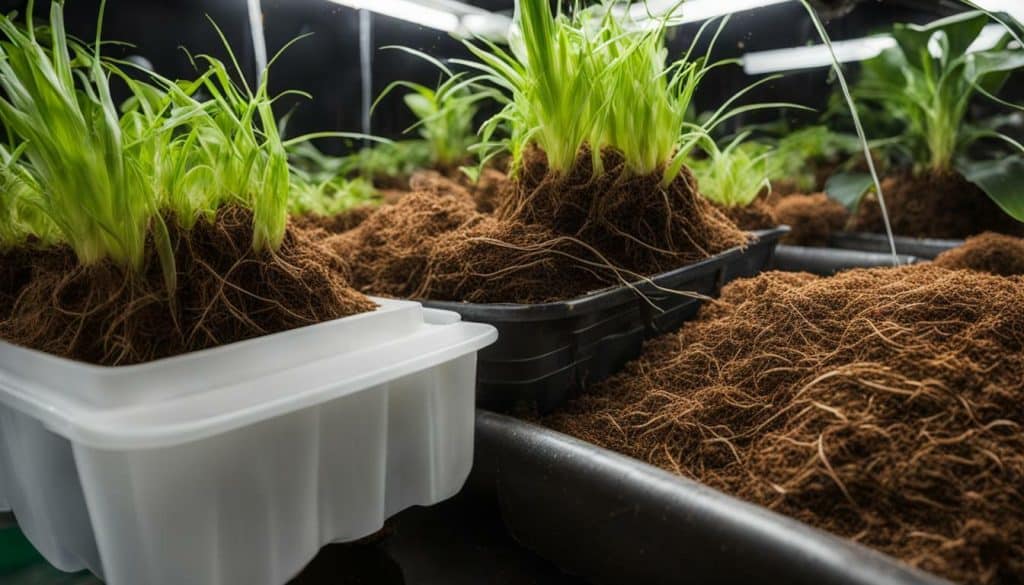
When using coco coir as a growing medium in hydroponics, various issues may arise. Here are some common problems and their solutions to help you troubleshoot coco coir in your hydroponic system.
Problem: Nutrient Deficiencies
Coco coir has a low nutrient content, so plants grown in coco coir may experience deficiencies.
Solution: Use a nutrient solution specifically designed for coco coir in hydroponics. Coco coir requires a lower nutrient concentration than other growing media. Monitor the nutrient solution’s pH and EC levels regularly to ensure the proper balance.
Problem: Poor pH Balance
The pH of the water and nutrient solution can drift in hydroponic systems, and coco coir’s pH can fluctuate as well.
Solution: Monitor the pH level of the water and nutrient solution daily and use pH balancing solutions as needed. Coco coir has a natural buffering capacity that can affect pH levels, so adjust the pH level of the nutrient solution accordingly.
Problem: Excess Salts
Coco coir can contain high levels of salt, which can harm plant growth.
Solution: Before using coco coir, rinse it thoroughly to remove excess salt. Soak the coco coir in water for several hours, then rinse it again before use.
Problem: Root Rot
Overwatering and poor drainage can cause root rot, which is common in hydroponic systems.
Solution: Maintain the proper moisture level in the coco coir by allowing it to dry slightly between watering. Ensure proper drainage and avoid overwatering. Consider using a beneficial microbial inoculant to prevent root rot.
With these troubleshooting tips, you can overcome common problems and achieve optimal results in your hydroponic system with coco coir as the growing medium.

Hydroponic systems allow gardeners to grow plants without soil, a method that has several advantages over conventional gardening. However, choosing the right growing medium is critical to achieving optimal plant growth. One common question is: should you use coco coir or soil in your hydroponic setup?
Coco coir has several advantages over soil, making it a popular choice for hydroponic gardening. Unlike soil, coco coir is pathogen-free and doesn’t contain weed seeds, which reduces the risk of disease and pests. Additionally, coco coir provides excellent drainage and aeration, which encourages healthy root growth and prevents root rot.
Compared to soil, coco coir also has a neutral pH level, which means it won’t affect the nutrient uptake of your plants. Soil, on the other hand, can have varying pH levels that can negatively impact your plants’ growth and development. Coco coir is also lightweight and easy to handle, making it a convenient option for hydroponic systems.
Another advantage of coco coir in hydroponics is that it’s a renewable resource. Coco coir is derived from coconut husks, which are a byproduct of coconut production. By using coco coir instead of soil, you’re reducing your environmental impact and supporting sustainable agriculture.
While soil can be a suitable growing medium in hydroponic systems, coco coir has distinct advantages that make it a preferred option for many gardeners. With proper preparation and maintenance, you can expect healthy, thriving plants with coco coir as your growing medium of choice.
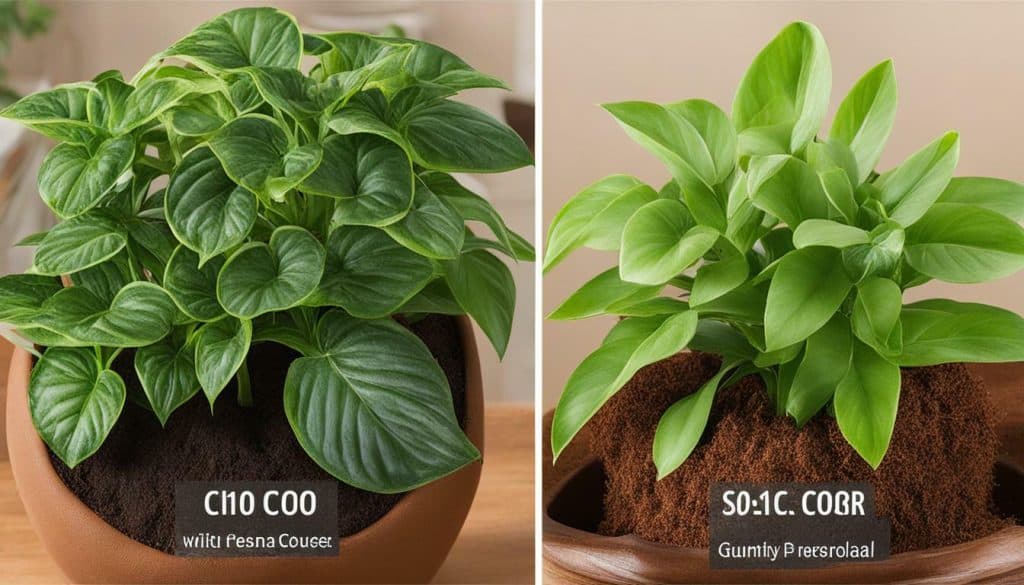
Using coco coir in hydroponic systems may seem intimidating, but fear not! With this step-by-step guide, you’ll be well on your way to growing healthy plants in no time.
Step 1: Prepare Your Coco Coir
Before using coco coir in hydroponics, you’ll need to prepare it properly. To do so:
- Rinse the coco coir with water to remove excess salt and debris.
- Soak the coco coir in a pH-balanced nutrient solution for at least 24 hours. This process helps to expand the coco coir and remove any remaining salt.
- Squeeze out any excess water. Your coco coir should be damp but not dripping wet.

Next, you’ll need to set up your hydroponic system. This can vary depending on the type of system you’re using, but some basic components you’ll need include:
| Component | Description |
|---|---|
| Growing container | The container in which your plants will grow. This can be a simple bucket or a more complex system. |
| Coco coir | Your prepared coco coir will serve as the growing medium for your plants. |
| Nutrient solution | A pH-balanced solution that provides your plants with the necessary nutrients to grow. |
| Water pump | A pump that circulates the nutrient solution to your plants. |
Step 3: Plant Your Seeds or Seedlings
Now that your system is set up, it’s time to plant your seeds or seedlings. Follow these steps:
- Create a small hole in the top of the coco coir.
- Place your seed or seedling in the hole, making sure it’s not too deep.
- Cover the hole with additional coco coir, gently pressing down to secure the plant in place.
Step 4: Maintain Your Hydroponic System
Once your plants are established, it’s important to maintain your hydroponic system. This includes:
- Providing your plants with the appropriate amount of light and temperature.
- Maintaining the pH balance of your nutrient solution.
- Ensuring your nutrient solution is adequately oxygenated.
- Monitoring your plants for signs of disease or nutrient deficiencies and taking appropriate action.
By following these steps, you can successfully use coco coir in hydroponics to grow healthy, thriving plants.
Best Practices for Hydroponic Success with Coco Coir
Now that you have a good understanding of coco coir in hydroponics, it’s time to implement best practices to ensure optimal plant growth. Here are some tips to keep in mind:
Monitor pH and EC Levels
It’s crucial to regularly monitor and maintain pH and electrical conductivity (EC) levels in your hydroponic system. Maintain a pH range of 5.5-6.5 for coco coir, and adjust it as needed to avoid nutrient lockout. EC levels should stay within a range of 1.2-2.0 mS/cm, depending on which stage of growth your plants are in.
Choose the Best Coco Nutrients
Choosing the right nutrient solution is crucial to achieving hydroponic success with coco coir. Look for products specifically formulated for coco coir, as they contain the appropriate balance of nutrients and additives to promote healthy plant growth. Some of the best coco nutrients on the market include CANNA Coco A & B, General Hydroponics Flora Series, and Botanicare KIND.
Ensure Proper Drainage
Coco coir holds onto water more than other growing mediums, so it’s essential to ensure proper drainage in your hydroponic setup. Use a high-quality drainage layer at the bottom of your pots or grow trays to prevent waterlogging, and avoid overwatering your plants.
Maintain Optimal Temperature and Humidity
Consistent temperature and humidity levels are crucial for healthy hydroponic plant growth. Keep your grow room between 68-77°F (20-25°C) during the day, and no lower than 59°F (15°C) at night. Maintain humidity levels between 50-70% to prevent excess moisture buildup.
Use Clean Water
Coco coir can easily accumulate salts and other minerals over time, which can negatively impact plant growth. Use clean, high-quality water free of chlorine, chloramine, and other impurities to avoid buildup and ensure optimal nutrient absorption.

By following these best practices, you can maximize your hydroponic success with coco coir. Remember to stay vigilant and monitor your plants’ progress regularly to make adjustments as needed. With a little patience and attention to detail, you can achieve impressive yields and healthy, thriving plants.
Conclusion
By now, you should have a thorough understanding of how coco coir can maximize your green thumb in hydroponics. Whether you’re a seasoned hydroponic gardener or just starting, coco coir can provide numerous benefits to your setup.
To recap, coco coir is a versatile and sustainable growing medium that offers excellent water retention and optimal root aeration. When properly prepared and paired with the right nutrient solutions, coco coir can lead to impressive plant growth and yields.
Remember to select the best coco coir mix for your hydroponic setup and maintain optimal pH and EC levels. Use our step-by-step guide and best practices to ensure flawless hydroponic success with coco coir.
Continued Learning
If you’re interested in learning more about hydroponics and maximizing your plant growth, check out our other informative articles and guides. With the right knowledge and techniques, you can achieve impressive results in your hydroponic gardening endeavors.
FAQ
Q: What is coco coir?
A: Coco coir is a natural fiber derived from coconut husks. It is commonly used as a growing medium in hydroponic systems due to its excellent water-holding capacity and ability to provide optimal root aeration.
Q: Why choose coco coir for hydroponics?
A: Coco coir has several advantages in hydroponics. It retains moisture well while allowing for proper drainage, provides good air circulation to the roots, and is resistant to diseases and pests. It also has a neutral pH, making it easy to adjust nutrient uptake for plants.
Q: How do I prepare coco coir for hydroponics?
A: To prepare coco coir for hydroponics, start by rinsing it thoroughly to remove excess salt. Then, soak it in water until it reaches the desired moisture content. Squeeze out any excess water before using it as a growing medium.
Q: How do I choose the best coco coir for hydroponics?
A: When selecting coco coir for hydroponics, look for products that are high-quality and free from contaminants. Consider factors such as fiber length, moisture content, and whether it has been buffered to remove excess salts. It’s also helpful to read reviews from other hydroponic growers.
Q: What are the nutrient requirements for coco coir in hydroponics?
A: Coco coir has low nutrient content, so it’s essential to provide additional nutrients to plants. Choose a nutrient solution specifically formulated for coco coir, as it will contain the necessary elements in the right ratios. Regular monitoring of pH and EC levels is also crucial to ensure proper nutrient uptake.
Q: How do I set up a hydroponic system with coco coir?
A: Setting up a hydroponic system with coco coir involves assembling the necessary components such as containers, pumps, and irrigation systems. Place the coco coir in the containers, ensure proper drainage, and establish a regular watering and nutrient feeding schedule. It’s also important to monitor and adjust pH and EC levels as needed.
Q: How does coco coir compare to other growing mediums in hydroponics?
A: Coco coir offers advantages over other growing mediums in hydroponics. It retains moisture better than some alternatives like rockwool and provides better aeration than soil-based systems. However, each medium has its own benefits and considerations, so it’s important to choose based on your specific needs and preferences.
Q: What are some tips for optimal hydroponic plant growth with coco coir?
A: To maximize hydroponic plant growth with coco coir, ensure proper pH and nutrient levels, maintain consistent watering and feeding schedules, and provide adequate lighting and ventilation. Regularly monitor and adjust environmental conditions, and address any nutrient deficiencies or pest issues promptly.
Q: What are some common challenges with coco coir in hydroponics?
A: Common challenges with coco coir in hydroponics include maintaining the correct pH and EC levels, preventing nutrient imbalances, and dealing with potential issues like salt buildup. It’s also important to consider whether specific plants require additional amendments or adjustments to thrive in coco coir.
Q: How do I troubleshoot coco coir issues in hydroponics?
A: If you encounter issues with coco coir in hydroponics, start by checking and adjusting pH and nutrient levels as necessary. Ensure proper watering and drainage, and address any signs of nutrient deficiencies or pest infestations. Consulting with experienced hydroponic growers or professionals can also provide valuable insights and solutions.
Q: How do I transition to using coco coir in hydroponics?
A: Transitioning from soil-based gardening to hydroponics with coco coir requires preparing the coco coir, setting up the hydroponic system, and adjusting nutrient and watering schedules for the new medium. It’s important to research and understand the differences between soil and hydroponic cultivation to ensure a smooth transition.
Q: Can I use coco coir with other growing mediums in hydroponics?
A: Yes, coco coir can be used in combination with other growing mediums, such as hydroponic clay pebbles or rockwool. This can provide additional benefits such as improved drainage or enhanced root support. Experimentation and finding the right balance for your specific plants and system is key.
Q: What is the step-by-step guide for using coco coir in hydroponics?
A: The step-by-step guide for using coco coir in hydroponics includes preparing the coco coir, setting up the hydroponic system, monitoring and adjusting nutrient and pH levels, irrigating and feeding the plants, and regularly monitoring for plant health and growth. Following proper procedures and guidelines will help ensure successful hydroponic cultivation with coco coir.
Q: What are the best practices for hydroponic success with coco coir?
A: To achieve optimal hydroponic success with coco coir, it’s important to maintain proper pH and nutrient levels, provide adequate lighting and ventilation, avoid overwatering, and follow recommended feeding schedules. Regular monitoring and adjustment of environmental conditions and nutrient uptake are key to maximizing plant growth and yield.